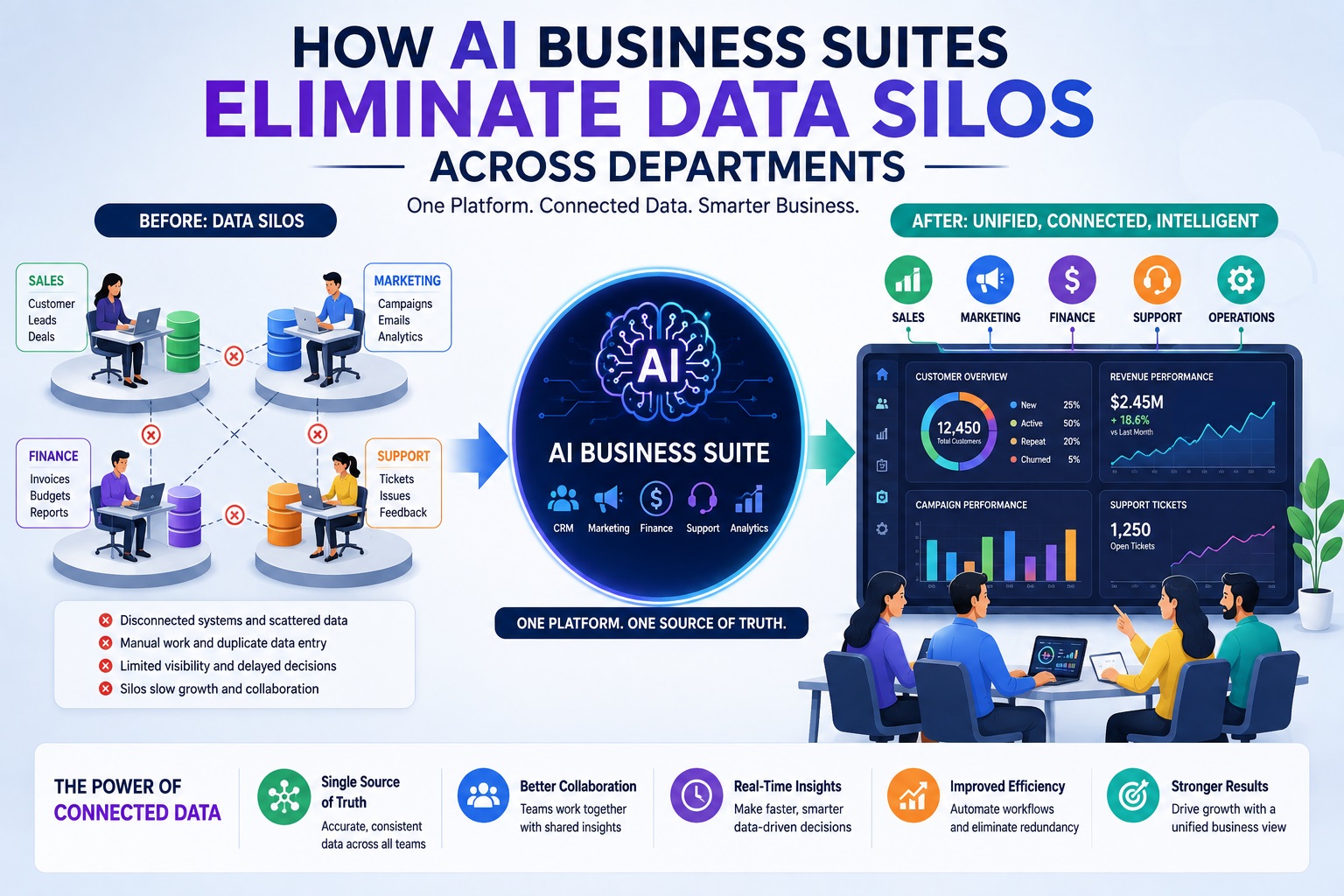
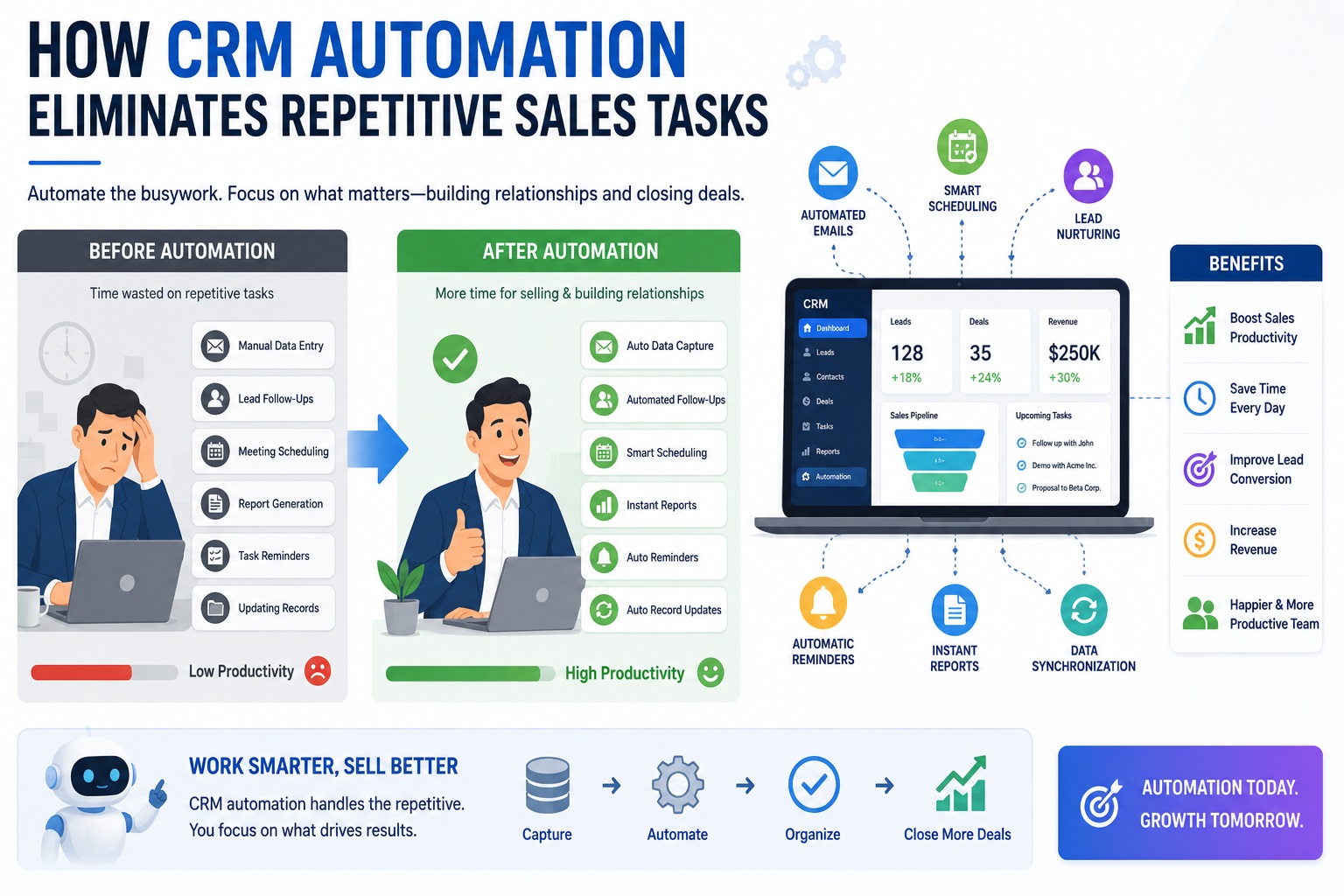
Ever wondered what sets artificial intelligence apart from the digital devices we have been using for decades?
The distinctions of traditional automations and agentic AI may not be apparent on the surface.
But if you dive deeper into their operational genome, you will understand just how different they truly are. And this is exactly what this article on agentic AI vs automation addresses.
Even though automation and AI are used interchangeably, not all intelligent systems perform similar tasks in the same way. Both, however, do aim to make the processes easier and more effective within their capacity.
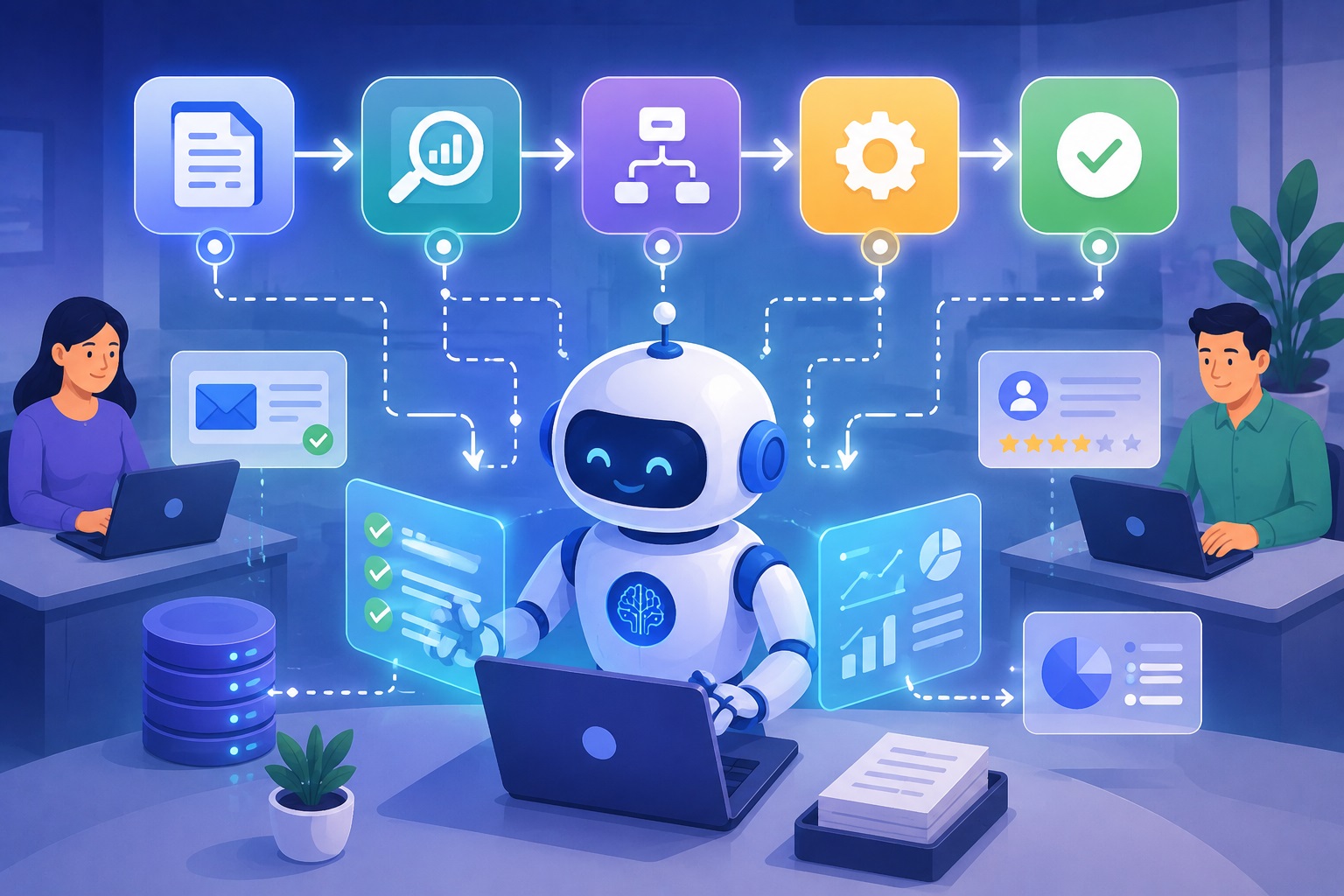
All steps in traditional automation are predefined, leaving no room for deviations or adaptations. Whereas agentic AI makes decisions independently, adapts to the environment, and finds ways to achieve goals.
So, let’s get right into this interesting guide covering agentic AI vs automation.
What is Agentic Artificial Intelligence?
Agentic AI is a new generation of artificial intelligence systems that act like autonomous agents.
They understand the surroundings, decide their next steps, and adapt to the new environment while aiming to achieve their goals. In short, they can learn, plan, and adjust with minimal interference or direction.
Features that Define Agentic AI
Goal-Oriented
Once a task is fed into agentic AI, it will form a game plan and begin working towards the outcome.
Independent Decision Making
In uncertain or changing situations, it develops its own execution strategy, neglecting all predefined commands and step-by-step instructions.
Learning Capabilities
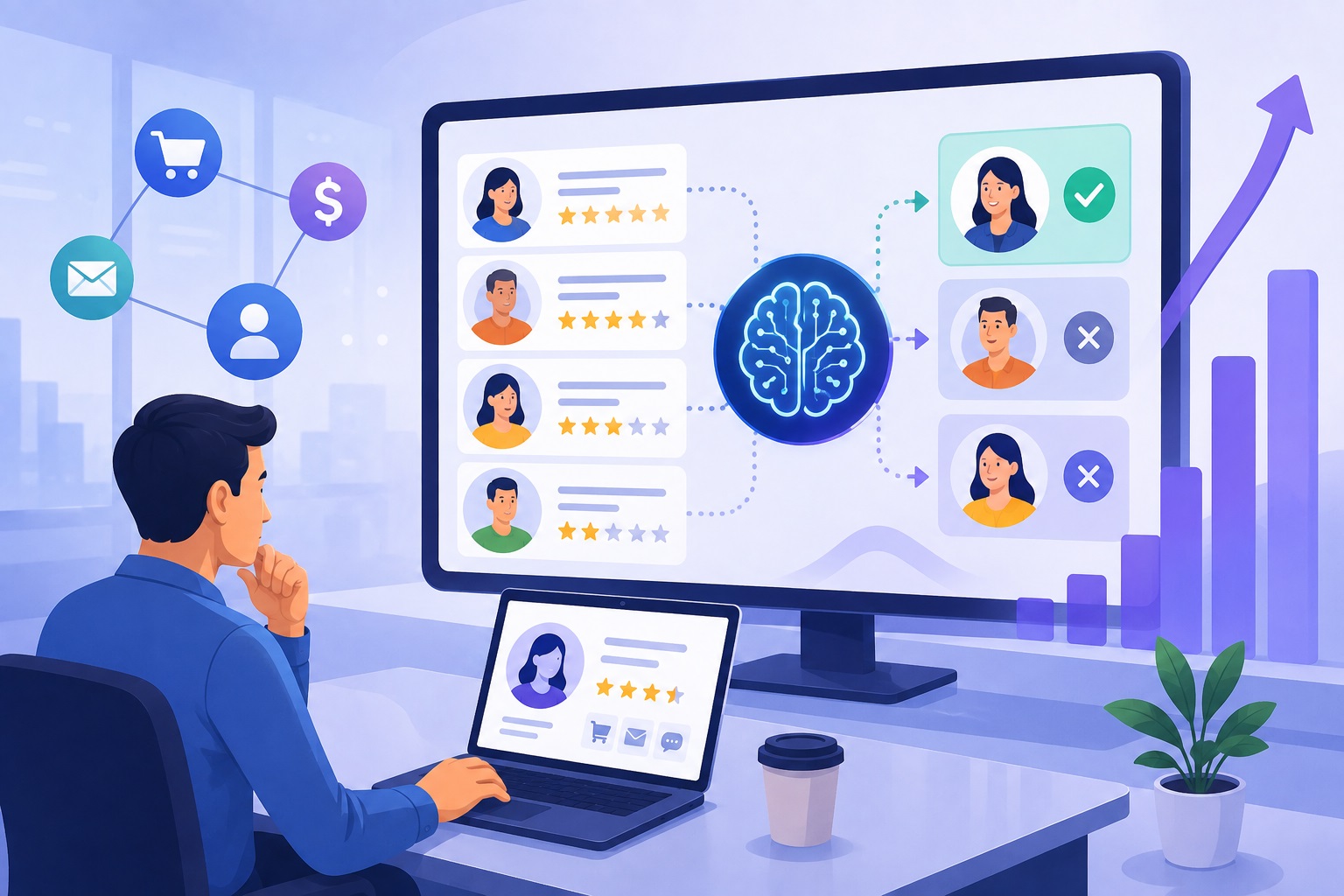
This AI analyzes new data and learns from its successes or failures. Hence, without manual programming, it improves itself over time.
Immediate Adaptation
When faced with unforeseen events, the agentic AI does not stop; rather, it modifies its plans accordingly to avoid failure.
Planning and Reasoning
It divides larger tasks into smaller, manageable parts, weighs the different solutions, and chooses the best course of action.
Awareness
The AI collects data from its environment, interprets the information, and uses it to make informed decisions.
Use of Tools and Systems
The reactive AI employs various tools, systems, and databases in a defined sequence. They all work together to achieve the complex targets.
Comprehension
Agentic AI does not simply obey the instructions. It reads and understands the context to give a human-like response in a situationally aware manner.
Proactiveness
Agentic AI independently spots opportunities, detects problems, and determines the next steps without waiting for instructions.
Feedback
Reactive AI habitually evaluates its actions and outcomes, adjusting its approach whenever necessary.
What does Traditional Automation Entail?
Traditional automation or AI is a system built to perform a specific task repeatedly. They rely on a predefined set of commands and do not deviate from their sequence.
If there are any variations or unforeseen situations, it cannot adjust itself. Hence, unlike agentic AI, traditional automation cannot learn, adapt, and change its course.
Traditional AI waits for a data input or a command to produce an output, then it stops. The next steps have to be fed manually. Also, as they cannot automatically adjust, they have to be reprogrammed or reconfigured once a new format or scheme is drafted.
As long as the inputs and conditions remain unaltered, this AI will continue to produce the same predictive results.
Kinds of Traditional Automation
Fixed
In this category, purpose-built equipment is used to perform a specific task or a group of tasks repeatedly.
Programmable
This machinery can be reprogrammed within a limit to handle various operations.
Flexible
Such systems can switch between different tasks without interrupting the workflow.
Software
This automation uses software tools to run digital processes.
How to Compare Agentic AI vs Automation?
Autonomy
Between agentic AI vs automation, the proactive alternative resembles an independent worker who does not wait for its overseer to establish goals and create tasks. Rather, it takes the lead, decides what needs to be done, and how to do it.
Task Planning and Execution
Traditional automation can handle a single operation or a set of similar inputs and produce one output at a time.
However, agentic AI is designed to break a broader goal into subsets, establish a sequential guideline, coordinate appropriate tools, and manage all workflows simultaneously to reach the end.
Adaptation
In the agentic AI vs automation debate, traditional AI is considered non-persistent, meaning it cannot retain its memory, and each task is isolated from the other.
The proactive AI learns from past experiences, responds to new data, and self-improves its performance.
Coordination of Tools and Systems
Agentic AI digitally integrates and coordinates multiple tools, databases, and enterprise systems. Where traditional automation has a narrow domain, the proactive alternative can effectively move across tasks, switching between data, content, and notifications.
Nature
Traditional automation follows specific protocols, making it rule-based, and the outcomes are quite predictable.
Agentic AI, by contrast, does not follow a script; it exhibits flexibility and produces results based on its surroundings. Hence, the output is different when a variable is present in the surroundings.
A Supportive Enterprise of Agentic AI
The team at Syncrux has developed a framework of agentic AI that uses the plan-execute-reflect cycle.
With just a few clicks, you describe your plan in simple language, watch the system do its work, and get results that are fully validated. For more details, reach out to us today, syncrux.com.