For years, enterprises have relied on off-the-shelf software to streamline operations, manage data, and support decision-making. While these tools offered convenience and speed of deployment, they were never built to reflect how individual organizations actually work. As competition intensifies and business models become more complex, this limitation is becoming impossible to ignore.
Today, enterprises are entering a new phase of digital maturity where differentiation matters more than standardization. This is where custom AI software is emerging as a powerful competitive advantage. Instead of adapting processes to fit generic tools, organizations are now building AI solutions tailored to their data, workflows, and strategic goals.
As AI-driven transformation accelerates and enterprise AI adoption becomes more widespread, custom-built AI systems are quickly becoming the foundation for long-term growth, efficiency, and resilience.
The Shift From Generic Tools to Tailored Intelligence
Traditional enterprise software follows a one-size-fits-all model. It is designed to serve thousands of companies with similar needs, which inevitably leads to compromises. Features are broad, workflows are rigid, and customization is limited.
Custom AI software changes this dynamic. It is designed around an organization’s specific challenges, data structures, and operating logic. Instead of forcing teams to work around software limitations, AI adapts to how the business actually functions.
This shift is especially important as companies deal with more data, more systems, and more interconnected processes. Generic tools struggle to keep up with this complexity, while custom AI systems thrive within it.
Why AI-Driven Transformation Requires Customization
AI-driven transformation is not just about adding intelligence to existing systems. It is about rethinking how decisions are made, how work flows, and how value is created across the organization.
Prebuilt AI tools often focus on narrow use cases, such as chatbots, forecasting, or document processing. While useful, they operate in isolation and rarely integrate deeply with core business operations.
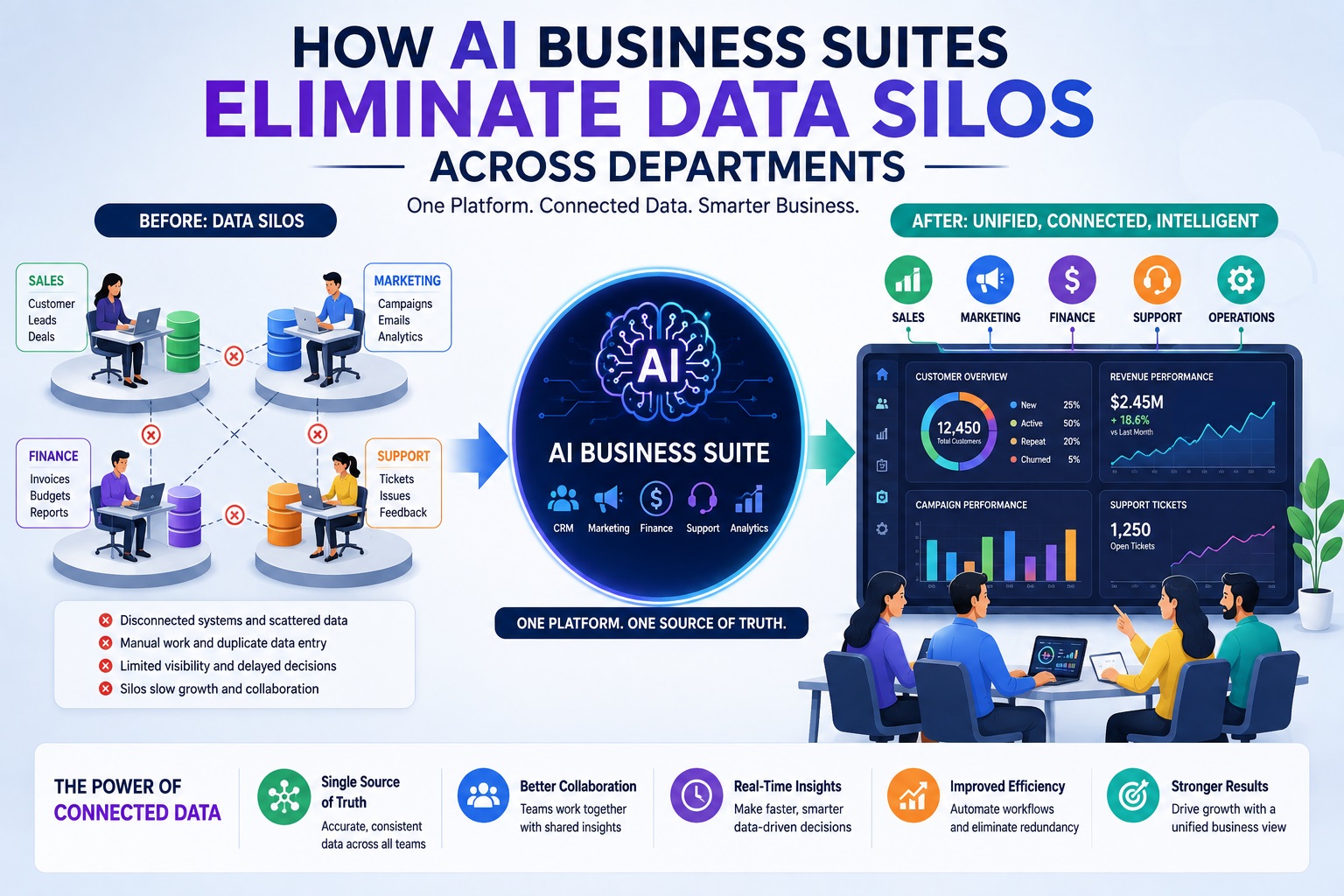
Custom AI software enables transformation at a structural level. It can connect data across departments, understand context, and automate decisions that previously required human judgment. This allows enterprises to move beyond incremental improvements and achieve meaningful operational change.
Enterprise AI Adoption Is Maturing
Early enterprise AI adoption was driven by experimentation. Companies tested AI in limited scenarios to explore its potential. Today, the conversation has shifted from “Can AI work?” to “How do we scale AI across the organization?”
As adoption matures, enterprises are realizing that scalable AI cannot rely solely on generic solutions. Each organization has unique data sources, compliance requirements, customer expectations, and operational constraints.
Custom AI software supports this maturity by aligning AI capabilities with enterprise realities. It allows organizations to build systems that evolve alongside their strategy, rather than being constrained by vendor roadmaps.
Automation That Reflects Real Business Workflows
Automation is often cited as a key benefit of AI, but not all automation delivers the same value. Rule-based automation handles repetitive tasks well, but it breaks down when processes change or exceptions arise.
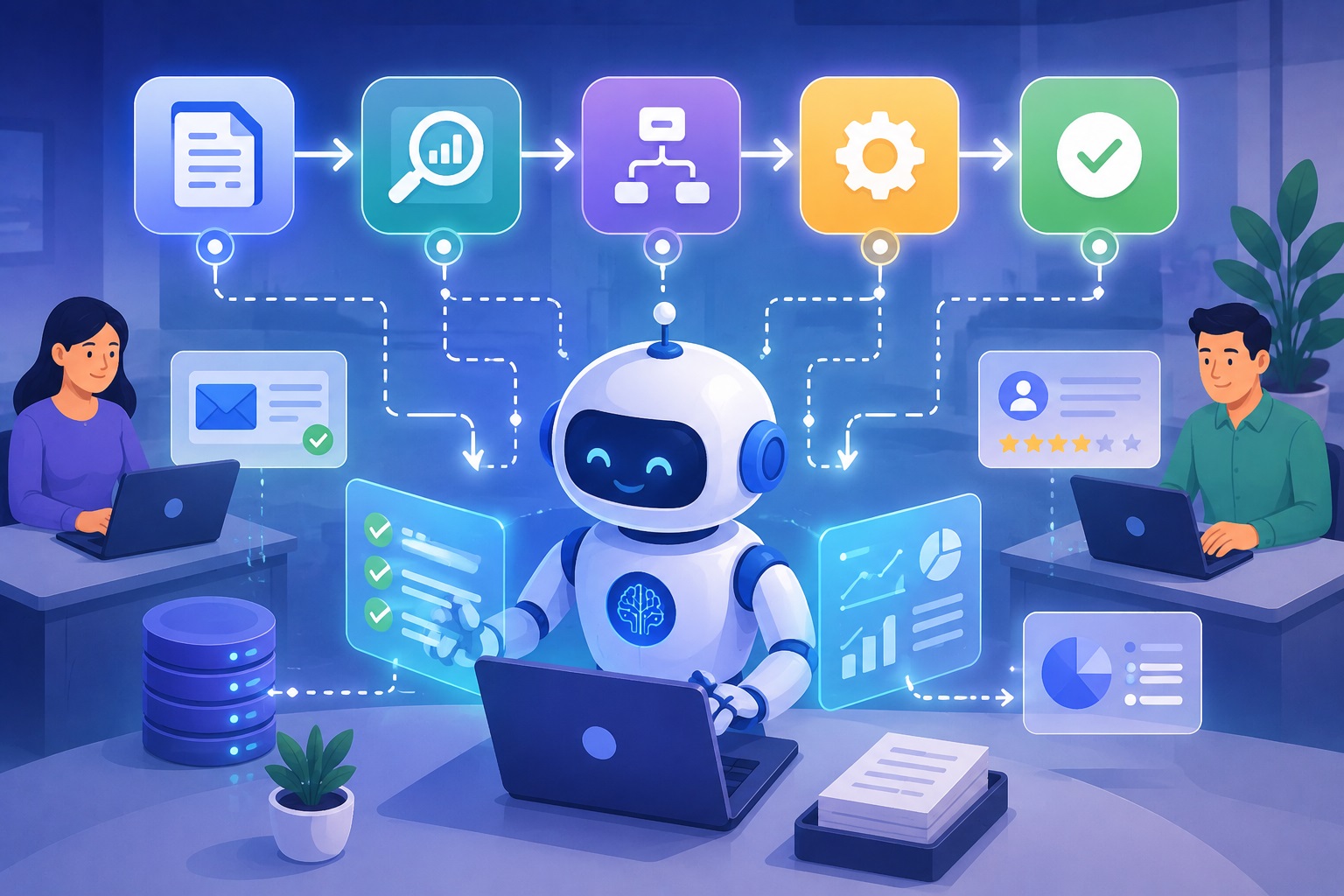
Custom AI software enables intelligent automation that reflects real-world workflows. It understands dependencies, adapts to variations, and improves over time. This is especially valuable in complex enterprise environments where processes span multiple teams and systems.
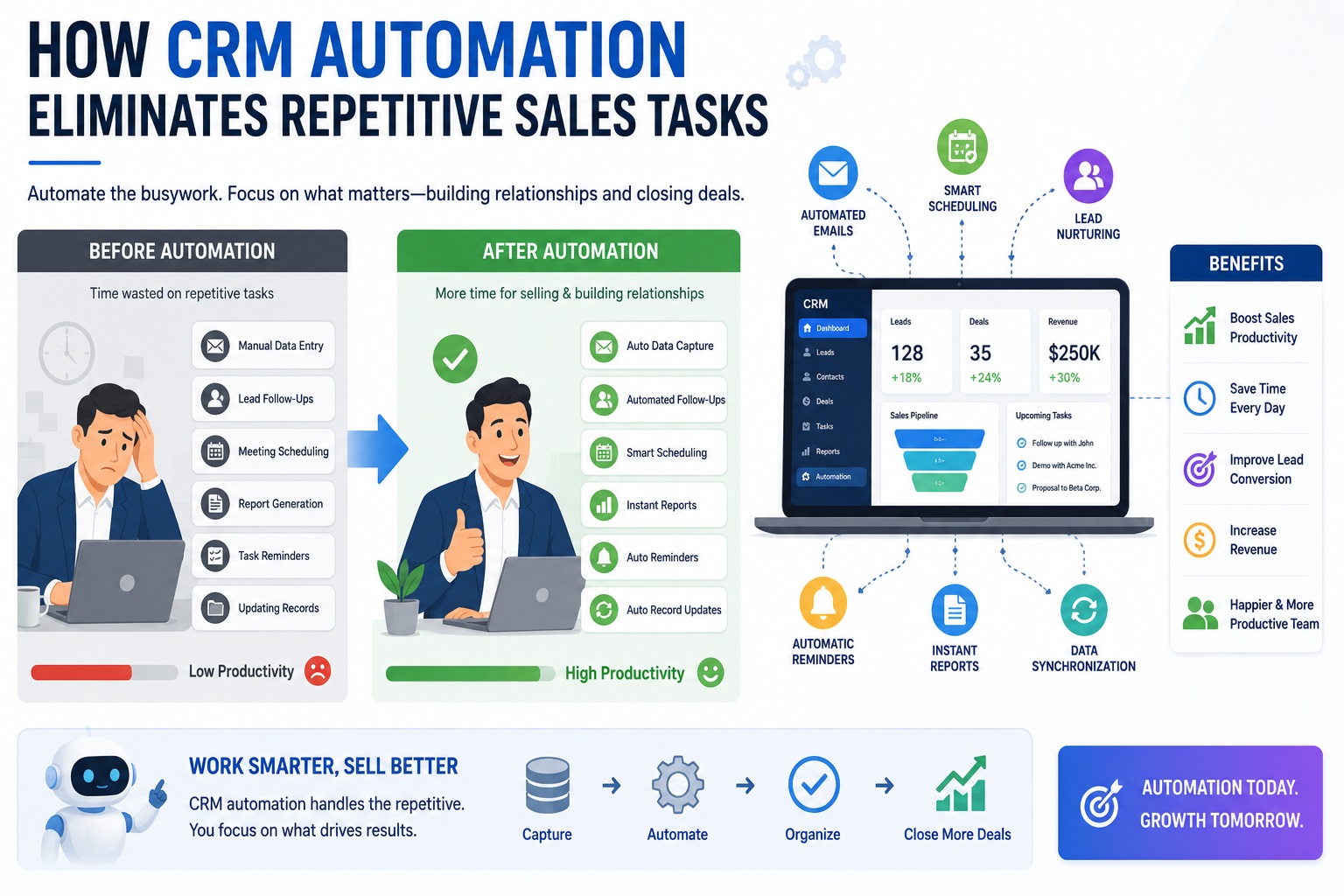
Instead of automating isolated tasks, enterprises can automate entire workflows end to end. This reduces friction, improves consistency, and frees employees to focus on higher-value work.
Supporting Better, Faster Decision-Making
In many organizations, decisions are slowed down by fragmented data and manual analysis. Leaders often rely on outdated reports or intuition rather than real-time insights.
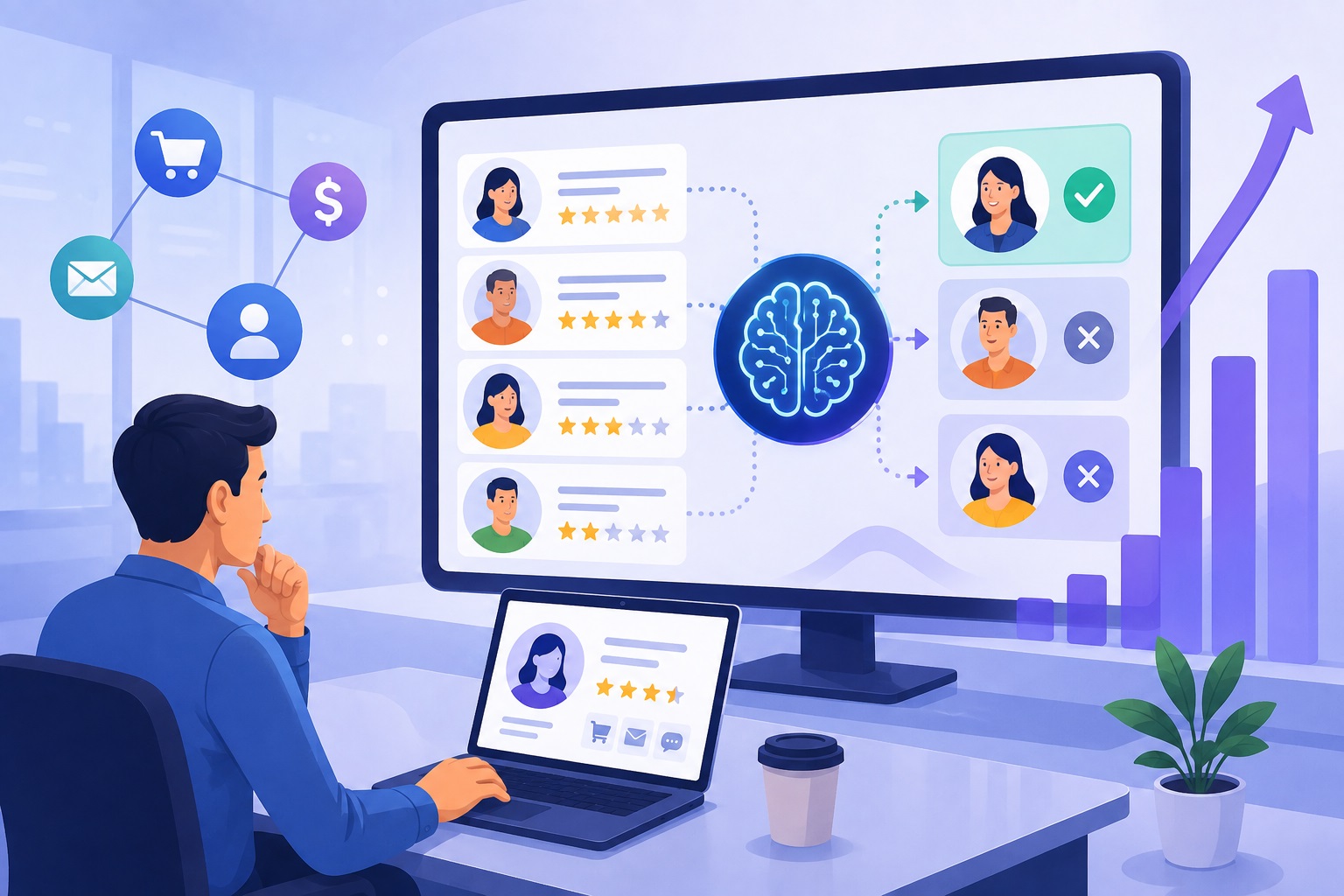
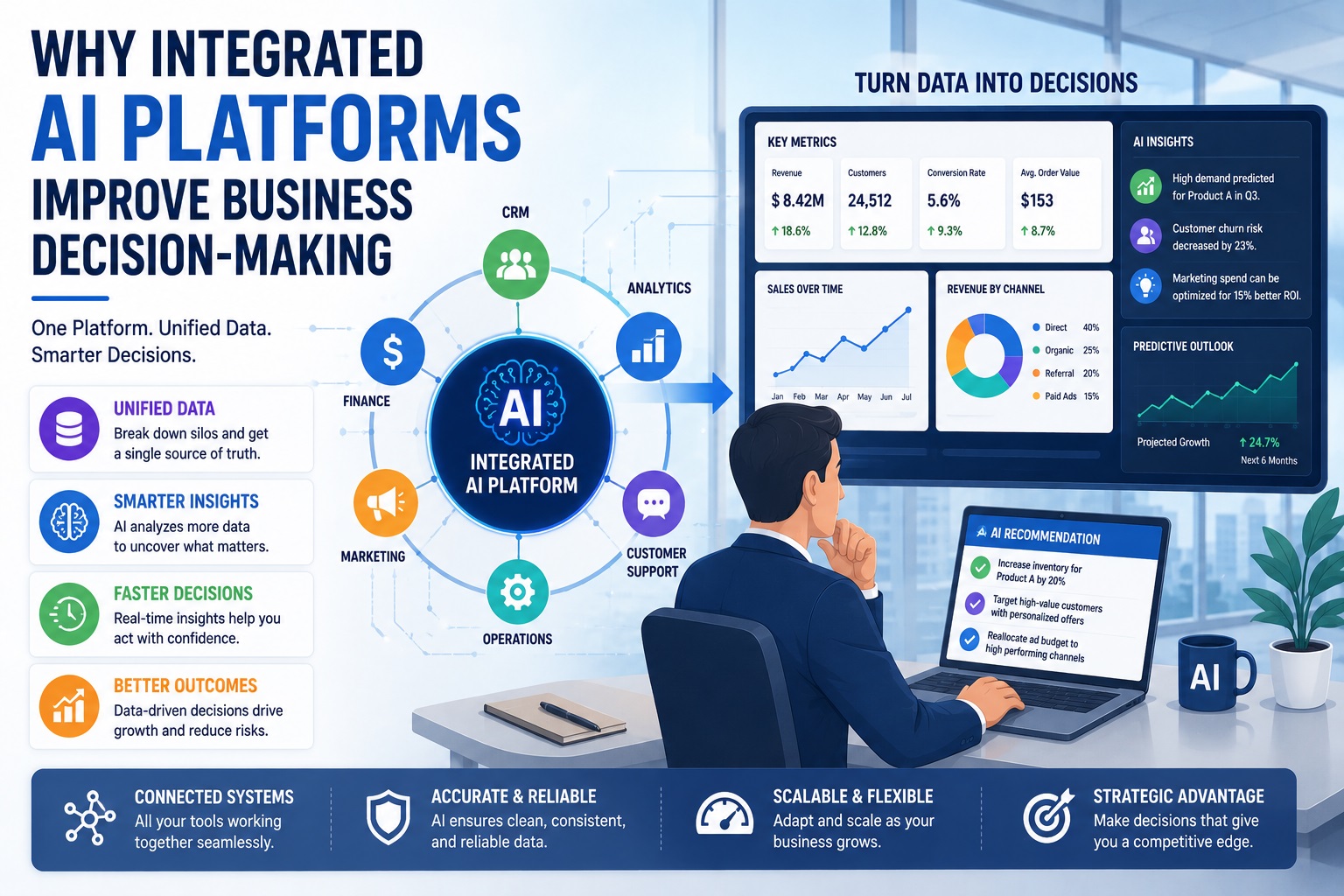
Custom AI software acts as a decision support layer across the enterprise. It continuously analyzes data, identifies patterns, and surfaces insights when they matter most. Rather than waiting for reports, decision-makers receive timely, contextual intelligence.
This capability is critical in fast-moving markets where speed and accuracy directly impact competitiveness. AI-driven transformation empowers leaders to act with confidence and clarity.
Building AI That Aligns With Governance and Compliance
Enterprise AI adoption comes with responsibility. Issues around data privacy, regulatory compliance, and ethical use cannot be treated as afterthoughts.
Custom AI software allows organizations to embed governance directly into their systems. Access controls, audit trails, explainability, and compliance rules can be designed from the ground up rather than layered on later.
This level of control is often difficult to achieve with third-party tools. By owning the AI architecture, enterprises reduce risk while maintaining transparency and accountability.
Enhancing Employee Productivity and Experience
There is often concern that AI will replace human roles. In reality, the most successful implementations focus on augmentation rather than replacement.
Custom AI software is designed to support employees by removing friction from their daily work. It handles repetitive tasks, provides recommendations, and reduces cognitive load. This allows people to focus on creative, strategic, and relationship-driven work.
When employees see AI as a helpful partner rather than a threat, adoption improves and organizational value increases.
Long-Term Competitive Advantage Over Short-Term Gains
Off-the-shelf AI tools can deliver quick wins, but they rarely provide lasting differentiation. Competitors can adopt the same tools, leading to parity rather than advantage.
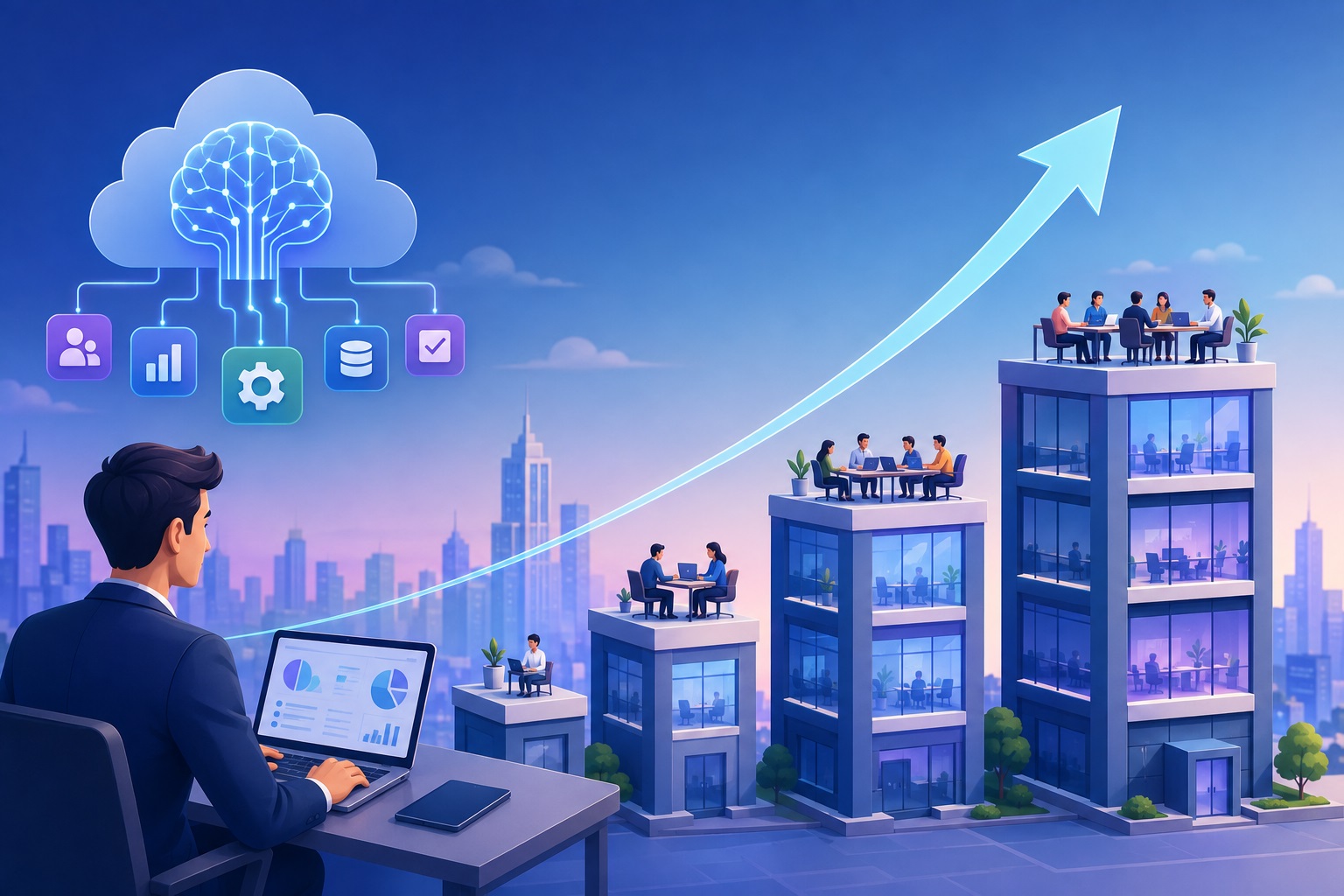
Custom AI software compounds in value over time. As models learn from more data and workflows evolve, the system becomes increasingly aligned with the organization’s strategy. This creates a moving target that competitors find difficult to match.
In a market where technology is widely accessible, the ability to build and refine proprietary intelligence becomes a defining competitive edge.
Preparing for the Future of Enterprise AI
The future of enterprise AI is not about isolated tools but integrated intelligence woven into every layer of the organization. Custom AI software provides the flexibility, control, and scalability required to support this future.
Enterprises that invest now position themselves to adapt faster, innovate more effectively, and respond confidently to change. Those that rely solely on generic solutions risk falling behind as complexity grows.
AI-driven transformation is no longer optional. The question is whether organizations will shape it to their advantage or be shaped by it.
Conclusion
Custom AI software is becoming the foundation of modern enterprise competitiveness, enabling organizations to unlock deeper insights, automate complex workflows, and scale intelligently through AI-driven transformation and mature enterprise AI adoption.
Syncrux helps enterprises build tailored AI systems that align with their operations, data, and long-term goals, turning intelligence into a sustainable competitive advantage.