As people are actively transitioning to e-commerce, customer relationships can no longer be sustained on spreadsheets, manual databases, and standardized interactions.
The modern-day customers expect immediate engagement and personalized experiences across all online platforms.
With such evolving demands, traditional CRM software for small businesses and enterprises alike is now unable to keep up.
Although at their prime, with the basic features of storing customer information and tracking interactions, they were the most popular CRMs. Nonetheless, they are not built for the complexities and the scale of the digital market, as seen at present.
Hence, the advent of AI-powered CRM has enabled businesses to overcome the limitations of traditional systems, allowing departments to respond to clients and identify opportunities in real-time.
Moreover, the automated management solutions of top CRM companies uncover historic patterns and predict future outcomes, providing firms a competitive edge among their peers.
This guide explores CRM in depth, specifically highlighting how automation has evolved the software overall.
How to Refer to CRM?
CRM is short for Customer Relationship Management. It is a software that companies use to strategically manage, track, and improve their interactions with customers. It serves as the ultimate central hub, storing all relevant customer-related information within itself.
All departments utilize the data thus collected to strengthen business relations, enhance customer satisfaction, boost sales, and cultivate persistent loyalty with the firm. It also helps different teams to coordinate with one another and make favorable decisions that drive growth.
All in all, the most popular CRM among businesses is either Optix CRM or AI-powered management systems.
What is Traditional CRM?
Traditional CRM is a management software that mainly focuses on storing and organizing customer-related data. As a secondary function, it manages the basic processes of sales and marketing.
The core principles of traditional CRM include:
- Traditional CRM works with client contact information, past interactions, and transaction records
- Emails, calls, customer notes, updated deals, and follow-ups are fed manually by the sales and support team
- It is a time-consuming process and highly prone to human errors
- The system follows a set of rules programmed into it
- It cannot also anticipate customer needs; hence the teams act after the event has already occurred
- The software struggles to consolidate data from different platforms
- It cannot create personalized campaigns based on data patterns
Where does Optix CRM Stand?
The top CRM companies deploy Optix CRM, an upgraded version of the traditional system. This cutting-edge solution combines basic CRM features with smart tools to drive stronger engagement, streamline operations, and deliver actionable insights.
The advanced automation, robust reporting capabilities, and improved collaborations seamlessly bridge the differences between traditional and AI-driven CRM.
This system is especially suitable for small and medium-sized companies that seek relationship management without the indulgence of AI.
How to Explain AI-Powered CRM Automation?
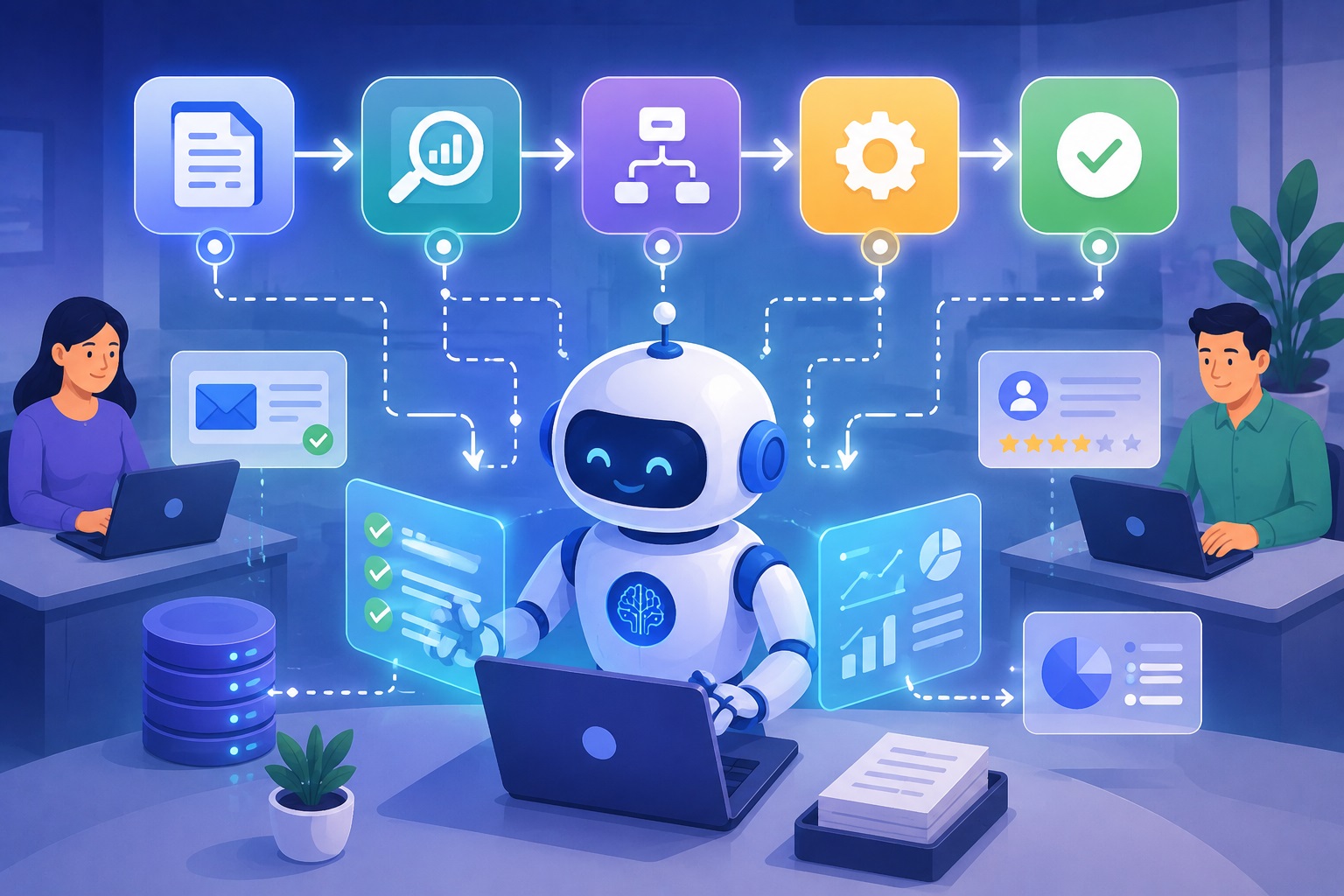
Smart CRMs are among the advanced types of management software that are integrated with artificial intelligence. The fundamentals of this software have automated the basic ways of customer interactions.
They mechanize tasks, predict future outcomes, and enhance client engagement with minimal human intervention.
What are the Core Features of AI-Powered CRM?
Accumulation of Data
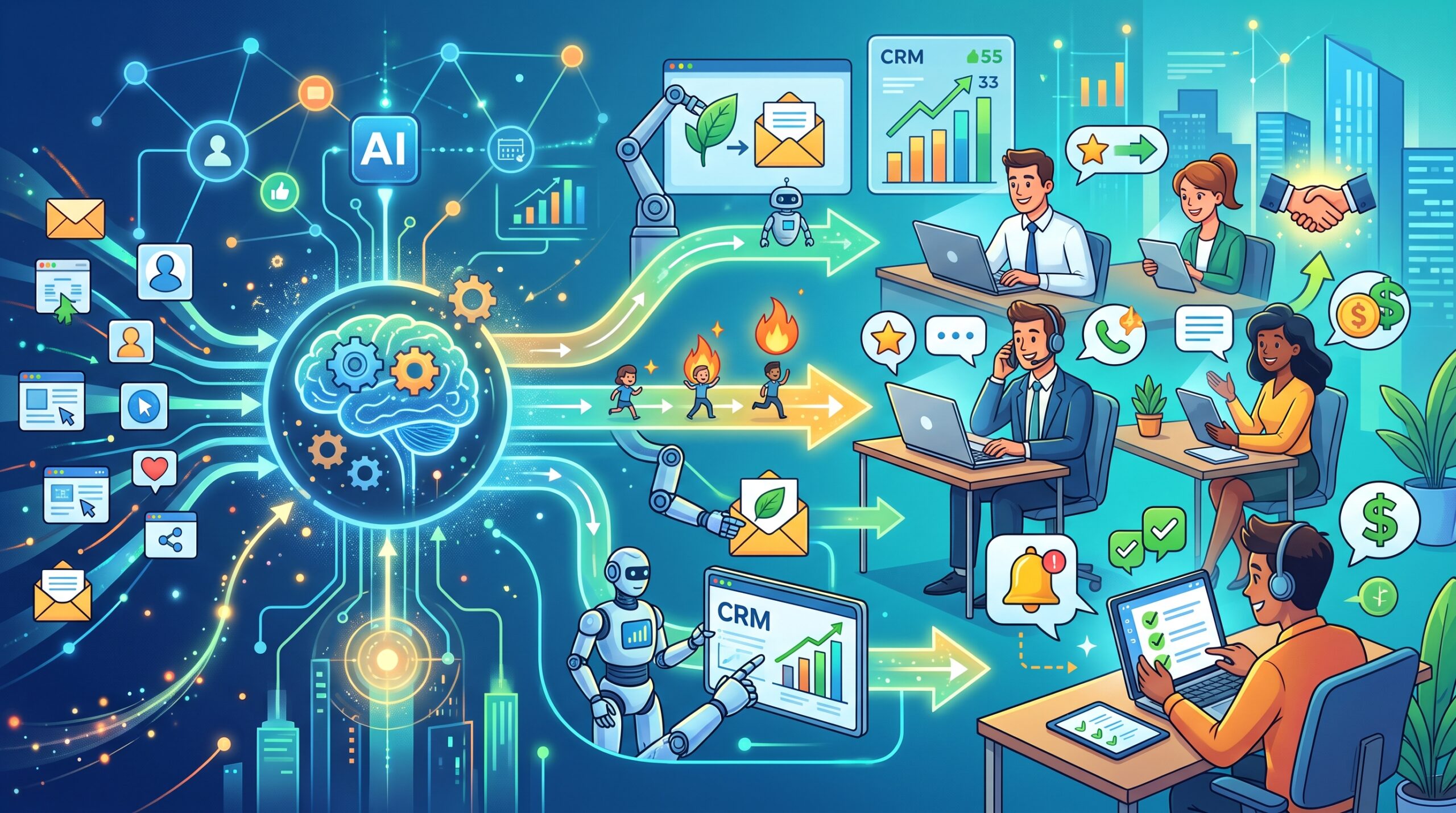
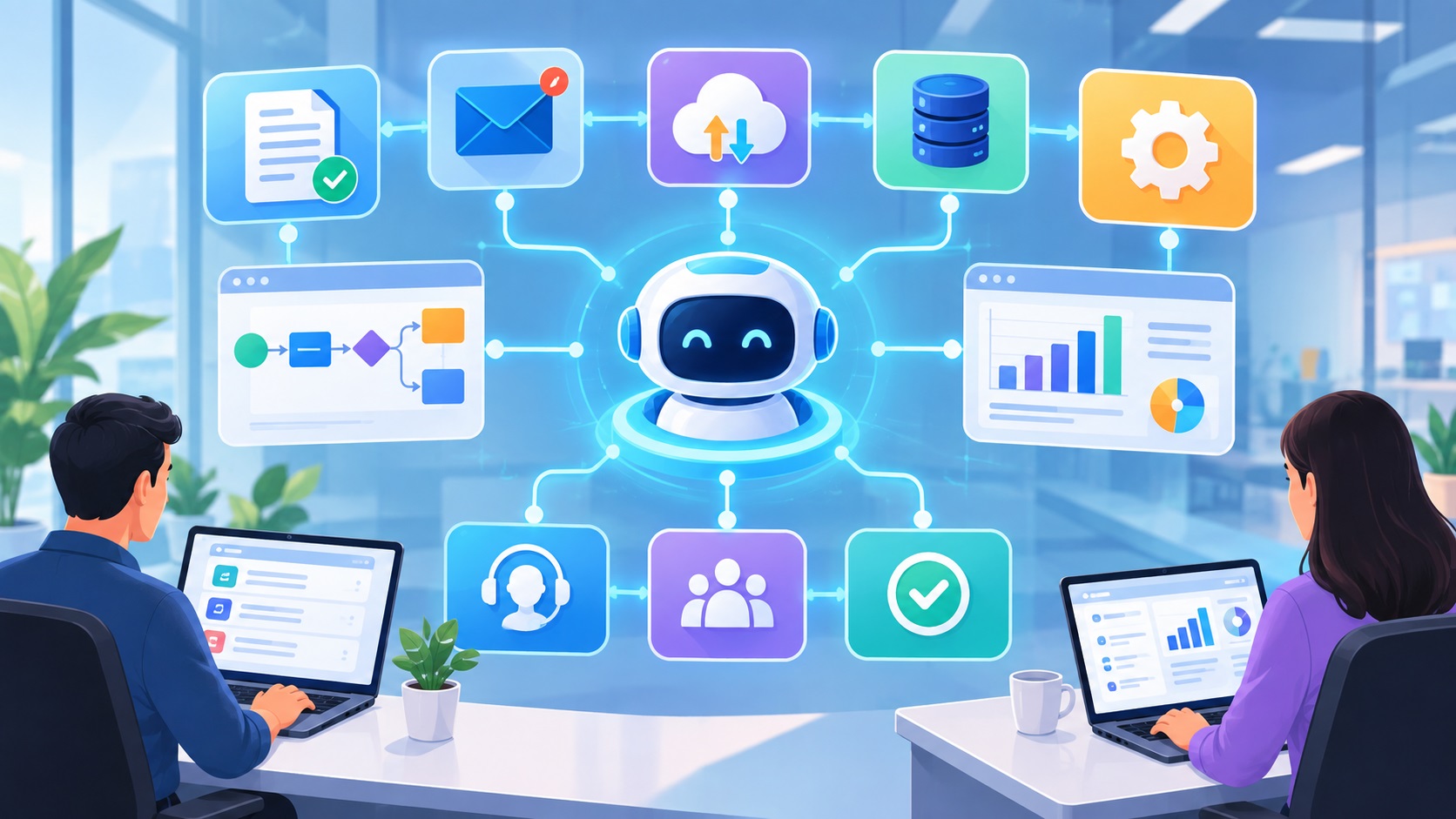
The AI software extracts every bit of data from multiple online platforms, including emails, websites, social media, chat records, and buying history. After the aggregation, all information is merged into a single yet comprehensive customer profile.
Natural Language Processing
The NLP tools can identify, understand, and interpret information in different human languages.
Machine Learning and Prediction
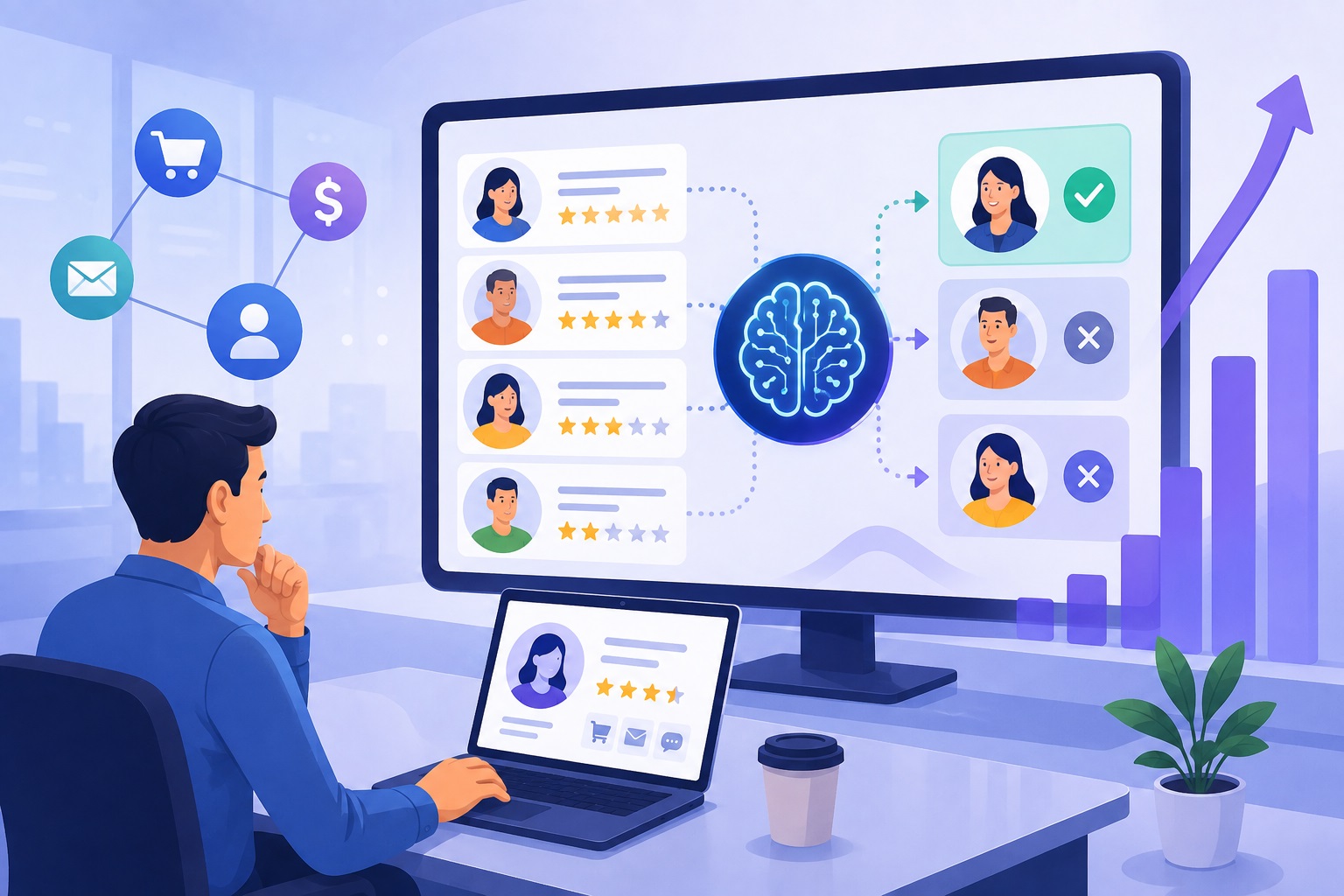
AI algorithms uncover past patterns or trends to predict upcoming sales, probability of customer retention, result-oriented approaches, and optimal time for interactions.
Digitalizing the Workflow
AI-powered CRM is designed to make decisions related to task assignments, follow-up notifications, scheduling, and much more, with minimal human involvement.
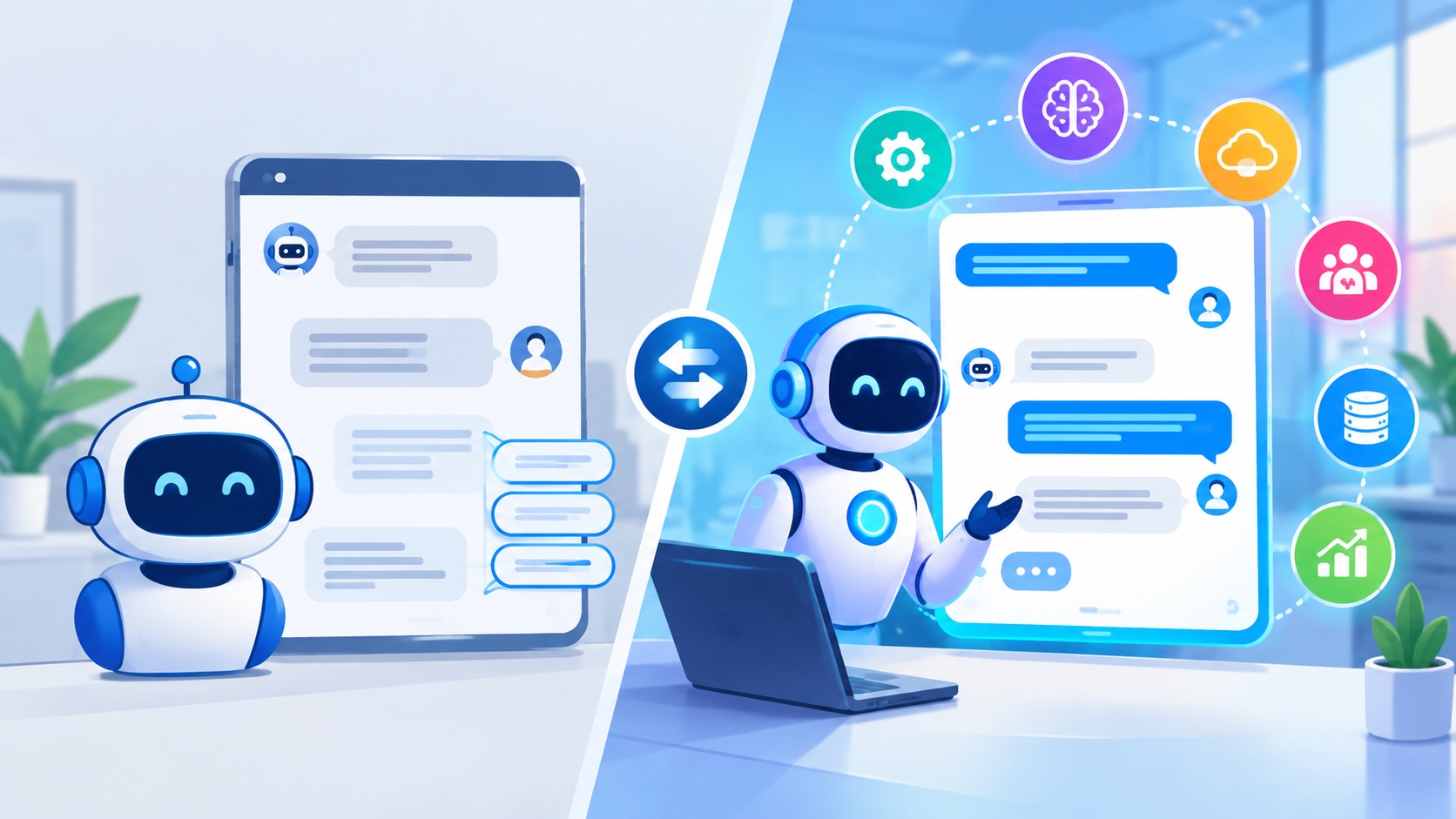
Intelligent Chatbot
Chatbots and virtual assistants provide instant replies and simultaneously aggregate data with conversational features of the software.
Give Recommendations Individually
After reading the customer’s choices through search engines and history, the software also suggests content and offers. Such recommendations fit perfectly with the preferences of the people they observe.
What Makes AI CRM Different and the Most Popular CRM?
Prediction Insights
Traditional CRM can only report what has already occurred. AI-based software, on the other hand, anticipates what is going to happen before it actually takes place.
Nature of Tasks
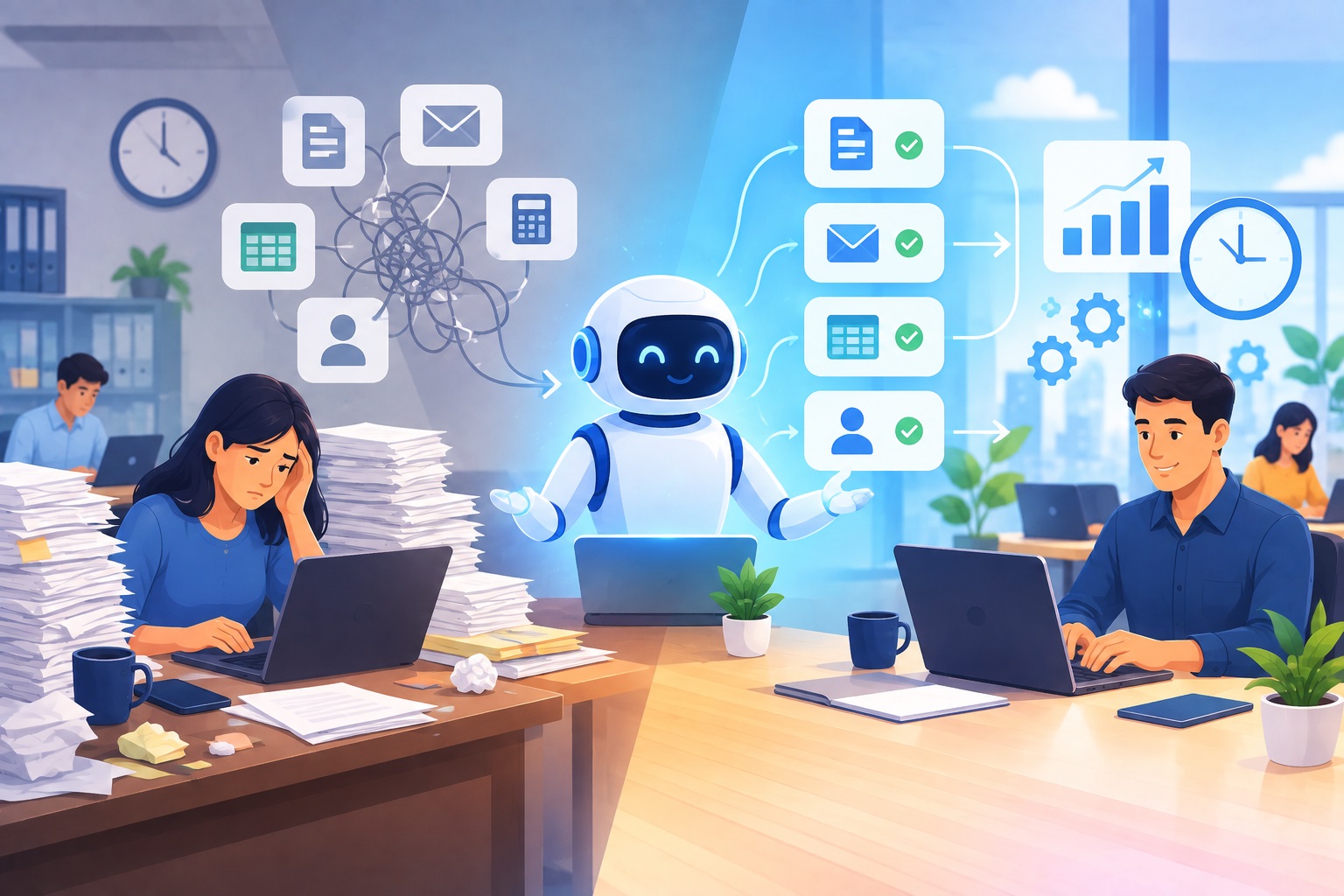
Non-automated recordkeeping requires a significant amount of time and hinders maximum productivity, whereas artificial intelligence automates everything.
Scale of Personalization
As traditional CRM is pre-programmed and follows a set of rules, the responses are not tailored to the customers’ queries. Automated CRM, however, can comprehend each question and give relevant answers.
Customer Service
The smart chatbots are available to resolve issues around the clock. Furthermore, during working hours, they connect the customer to the right agents for further assistance.
Other Attractions of AI CRM
- Their forecast is more realistic and dynamic
- The software continuously updates its information
- It helps employees work faster and smarter rather than harder
Who to Choose for the Most Popular CRM?
The team at Syncrux has developed an automated AI-based CRM that plans everything on your behalf. Whether it is organizing, scheduling, reporting, or collaborations, you can leave it all for the software to handle.