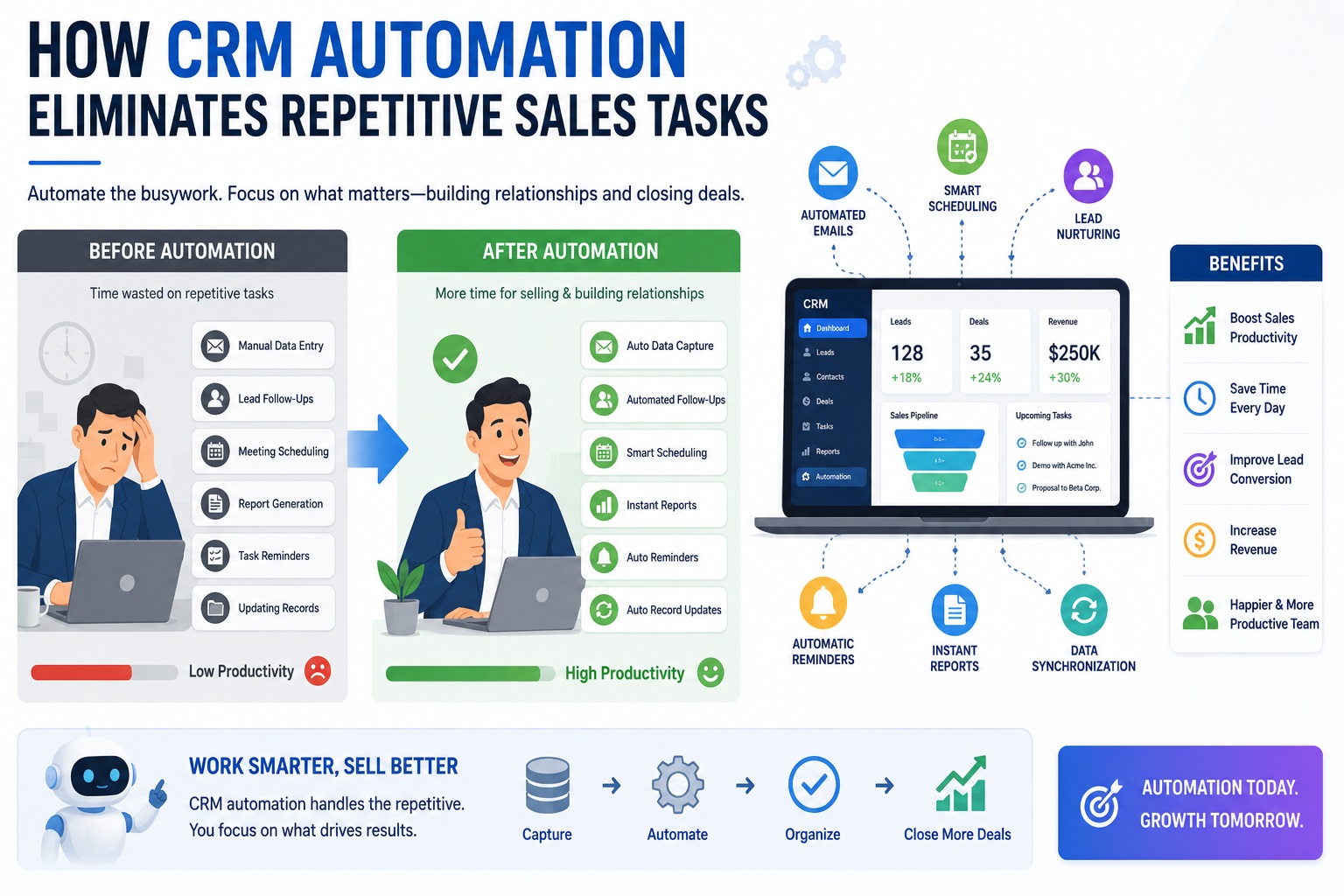
The future of work is not about humans versus machines. It is about humans working alongside intelligent systems that amplify their abilities. Across industries, organizations are forming hybrid AI teams where employees and artificial intelligence collaborate in real time to improve speed, accuracy, and decision-making. This partnership is redefining productivity at the enterprise level and opening new possibilities for growth.
With advancements in Autonomous AI, agentic automation, and conversational co-pilot tools, AI is no longer limited to background analytics. It is becoming an active teammate that supports daily operations, problem-solving, and customer engagement.
From Automation to Collaboration in the Modern Workplace
Traditional automation focused on repetitive tasks such as data entry or scheduling. While useful, these systems lacked awareness and adaptability. Today’s AI systems operate differently. They learn, predict, and adjust based on context, which allows them to collaborate rather than simply execute instructions.
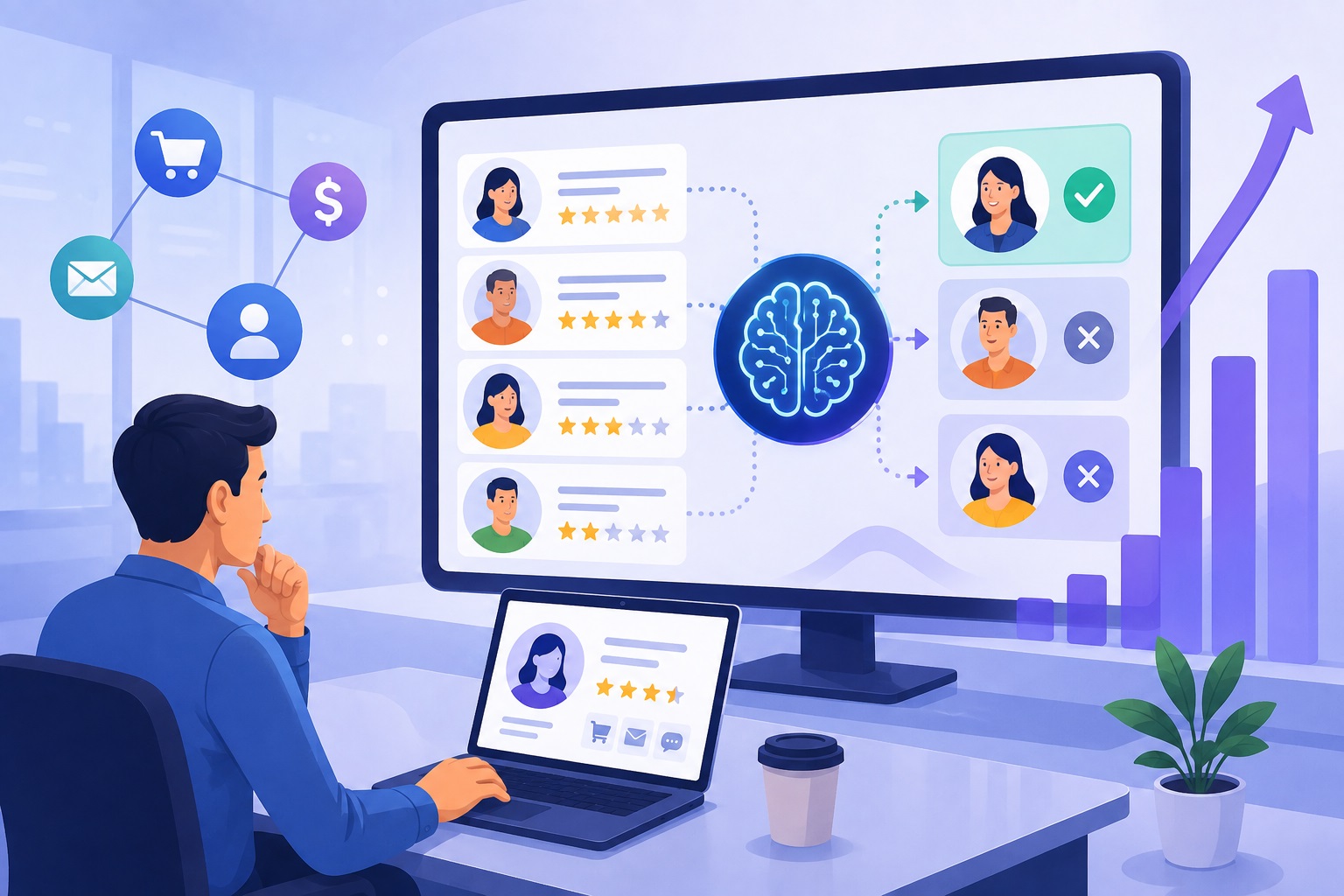
In hybrid AI teams, employees rely on AI to analyze large datasets, surface insights, and recommend actions. Humans then apply judgment, creativity, and empathy to make final decisions. This balance allows companies to move faster while maintaining accountability and trust.
As businesses scale, this model prevents burnout and helps teams focus on strategic work instead of routine operations.
Autonomous AI as a Silent Productivity Partner
Autonomous AI systems continuously monitor processes and identify opportunities for optimization without needing constant human input. In customer service, sales, and operations, these systems detect patterns and respond proactively.
For example, an AI system may notice a decline in customer engagement and automatically trigger targeted outreach. In logistics, it can adjust schedules based on demand forecasts. This kind of independent action is what separates modern AI from earlier automation tools.
When employees know that critical systems are being monitored intelligently, they can concentrate on innovation and relationship building instead of firefighting.
AI Workflows That Connect Teams and Tools
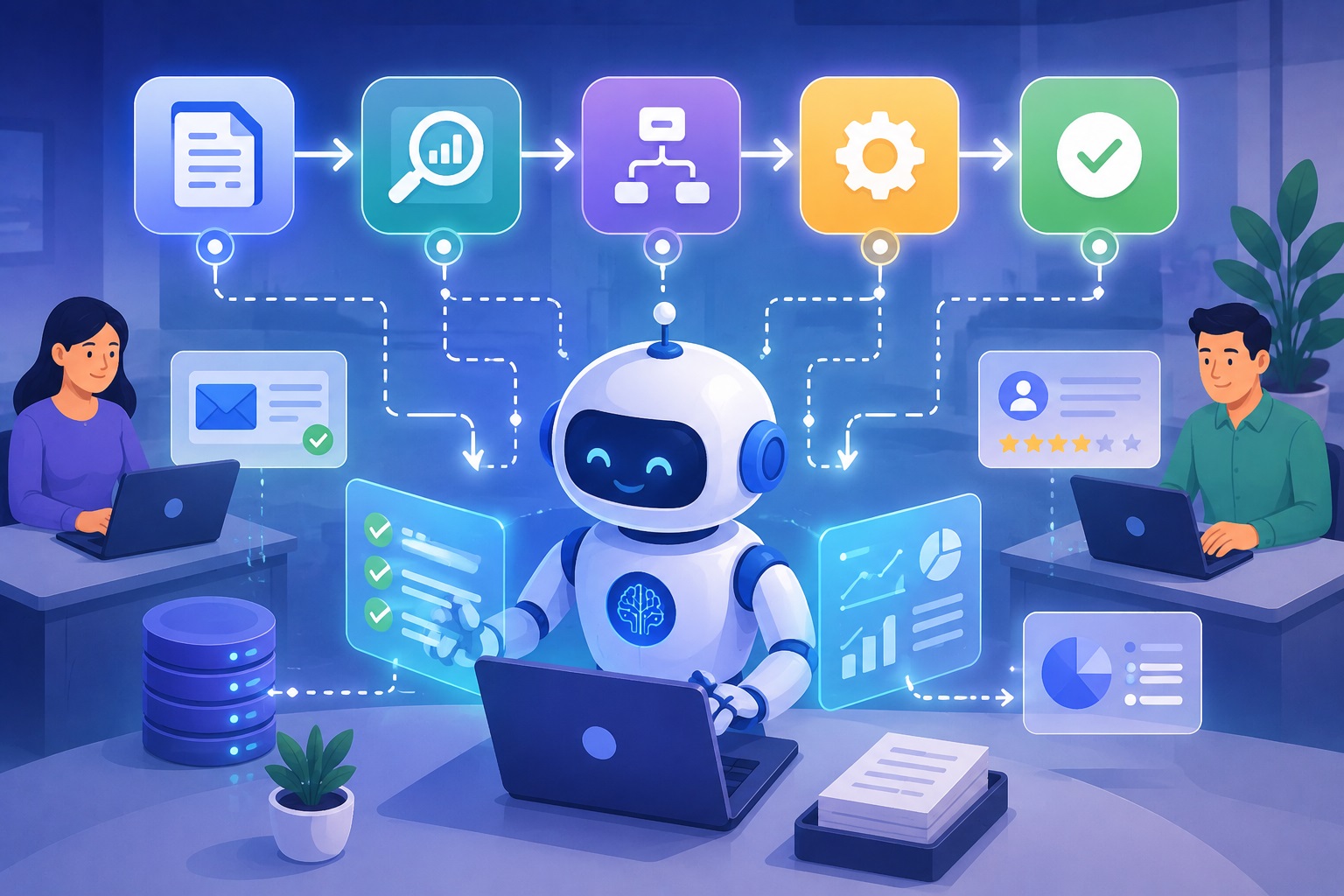
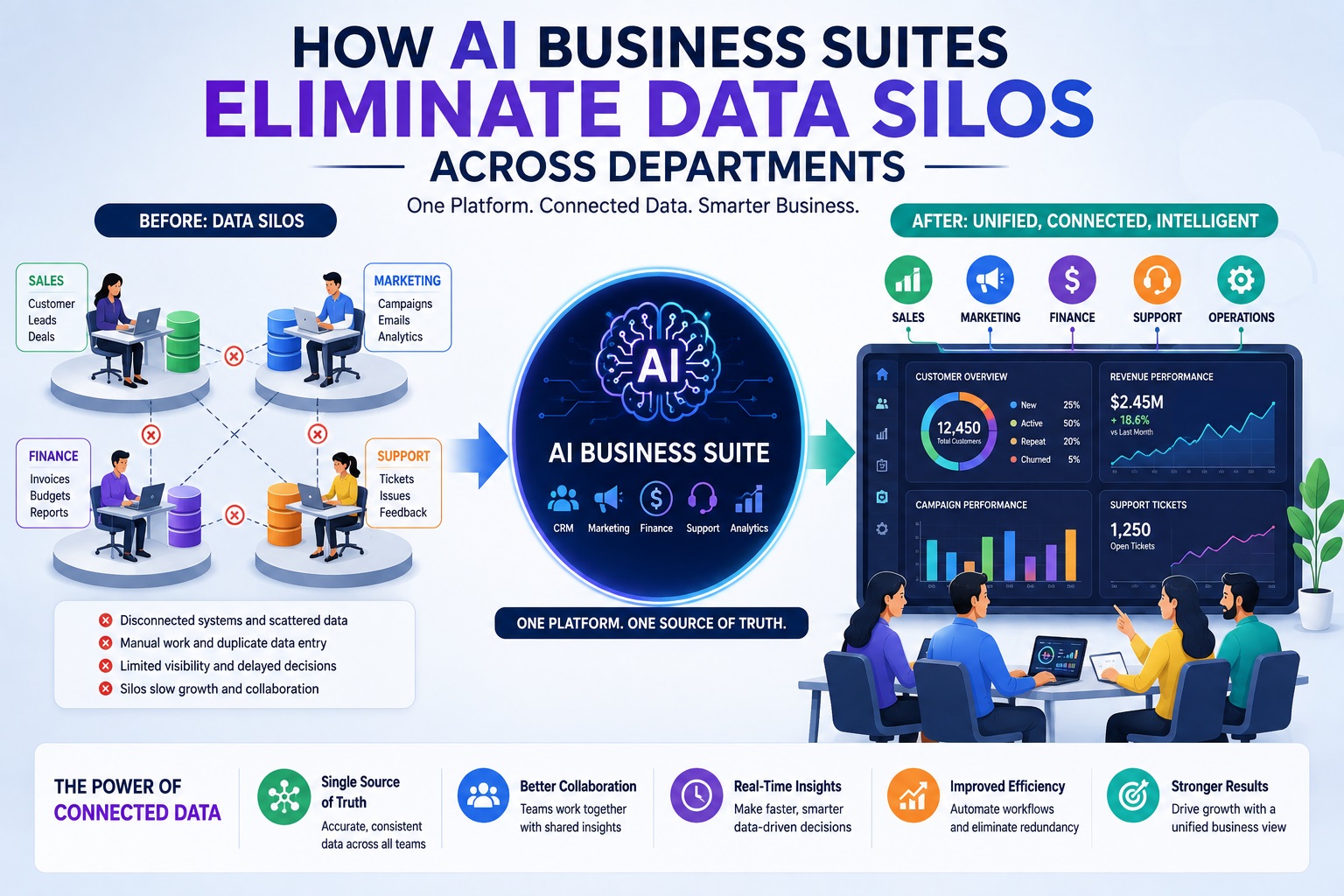
One of the biggest productivity challenges in large organizations is fragmented workflows. Data is scattered across platforms, and teams often lack a shared view of customer and operational activity. AI workflows help eliminate these gaps by synchronizing information across systems.
Modern AI workflows automatically route tasks, update records, and trigger alerts when key events occur. This reduces manual coordination and prevents errors caused by outdated information.
By connecting departments through intelligent automation, enterprises create smoother handoffs and faster execution across the entire organization.
The Rise of the AI Co-Pilot in Daily Operations
AI co-pilot tools are becoming essential in business environments. These systems act as interactive assistants that help employees plan, analyze, and execute tasks more efficiently.
Sales representatives use AI co-pilots to prepare for meetings, prioritize leads, and personalize outreach. Marketing teams rely on them for content optimization and campaign analysis. Executives use them for forecasting and strategic modeling.
Instead of replacing human roles, co-pilot tools enhance decision-making and reduce cognitive overload, allowing teams to perform at a higher level consistently.
Why Top CRM Companies Are Building AI-First Platforms
Leading platforms among the top CRM companies are rapidly transforming into AI-powered ecosystems. CRM is no longer just about managing contacts and tracking deals. It is becoming the operational backbone for customer experience.
AI-driven CRM platforms predict customer behavior, recommend next actions, and automate follow-ups. They also integrate voice, chat, and behavioral data to build richer customer profiles.
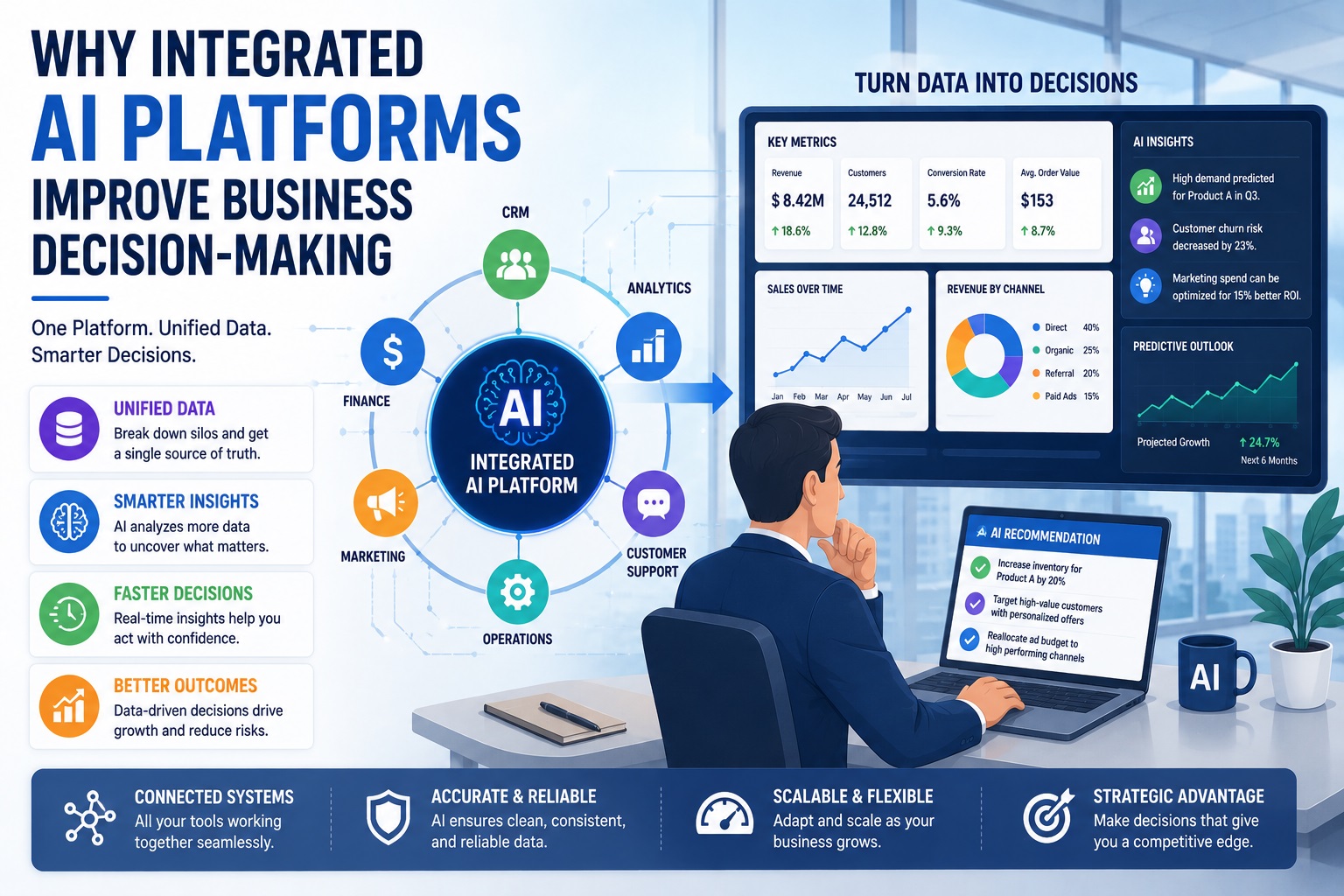
By embedding AI directly into CRM systems, enterprises gain real-time intelligence that supports every stage of the customer lifecycle.
Agentic Automation and Self-Directed Business Processes
Agentic automation represents a shift from static workflows to dynamic, goal-driven systems. Instead of following fixed rules, AI agents pursue objectives and adjust strategies as conditions change.
For example, an AI agent may be tasked with improving customer retention. It can analyze behavior, test messaging strategies, and coordinate across marketing and support channels without manual oversight.
This level of autonomy allows organizations to scale operations without proportional increases in staffing, which is critical for sustainable growth.
Best AI Assistant Tools Supporting Enterprise Teams
The best AI assistant platforms today go beyond answering questions. They actively participate in workflows by scheduling tasks, drafting communications, summarizing meetings, and tracking progress.
These assistants learn individual preferences and organizational priorities over time. This personalization increases efficiency while reducing friction in daily work routines.
As AI assistants become more context-aware, they will increasingly function as trusted digital colleagues rather than simple productivity tools.
AI Voice Cloning and Natural Customer Interaction
Voice technology is playing a growing role in hybrid AI teams, especially in customer-facing operations. AI voice cloning allows businesses to maintain consistent brand voices while delivering personalized communication at scale.
Combined with speech recognition and sentiment analysis, voice AI systems can assess customer emotions and adjust responses accordingly. This creates more human-like interactions that improve satisfaction and trust.
When integrated responsibly, voice AI becomes a powerful extension of customer service teams rather than a replacement.
The Role of a Software Development Company in Hybrid AI Success
Every business has unique processes, data structures, and customer journeys. Off-the-shelf AI tools often cannot fully support these complexities. This is why working with an experienced software development company is critical for building effective hybrid AI systems.
Custom development enables deep integration between AI models and business platforms. It also ensures compliance, scalability, and alignment with long-term strategy.
Organizations that invest in tailored AI solutions gain competitive advantages that generic tools cannot deliver.
Cultural Shifts Required for Human and AI Collaboration
Technology alone does not create successful hybrid teams. Organizational culture must also evolve. Employees need training, transparency, and trust in AI systems to use them effectively.
Leaders must position AI as a supportive tool rather than a threat to job security. When teams understand that AI enhances their capabilities, adoption increases and resistance declines.
Successful enterprises invest in both technology and change management to maximize the benefits of AI collaboration.
Measuring the Impact of Hybrid AI Teams
Productivity gains from hybrid AI teams are measurable across several dimensions. These include faster decision cycles, reduced operational costs, higher customer satisfaction, and improved employee engagement.
AI-driven insights allow organizations to continuously optimize performance instead of relying on quarterly reviews. This creates a culture of continuous improvement supported by real-time intelligence.
Over time, businesses that adopt hybrid AI models outperform competitors that rely solely on manual processes or basic automation.
Conclusion
Hybrid AI teams are transforming enterprise productivity by combining human creativity with intelligent automation. Through Autonomous AI, advanced AI workflows, and agentic automation, organizations can operate faster and smarter. With tools like co-pilot systems, AI voice cloning, and the best AI assistant platforms, collaboration between humans and machines is becoming seamless and highly effective.
Syncrux helps enterprises build intelligent hybrid AI systems that integrate seamlessly into daily operations. Their platforms connect data, automation, and human workflows into a single productivity ecosystem. With Syncrux, businesses can unlock the full potential of AI-powered collaboration.