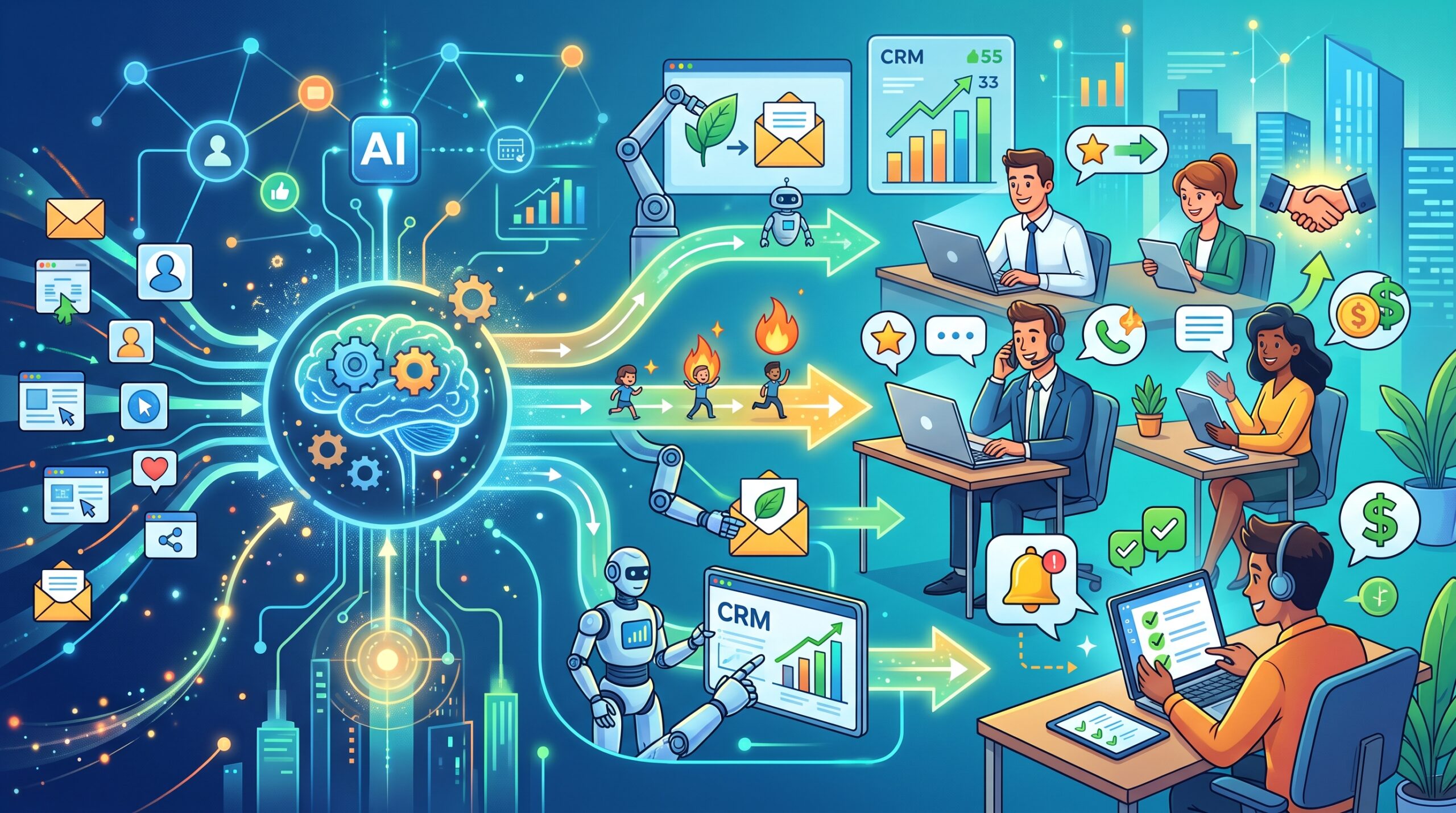
Customer data has never been the problem. Businesses today collect more information than ever before, from website clicks and email responses to call transcripts and purchase histories. The real challenge is turning all that data into fast, confident decisions. This is where agentic AI co-pilots are changing how companies use CRM systems, shifting them from passive databases into active decision engines.
Instead of waiting for reports or manually analyzing dashboards, teams now rely on intelligent systems that interpret data, recommend actions, and in many cases execute tasks on their own. The result is a CRM strategy that feels less like software and more like a smart teammate working in the background.
The Shift from Traditional CRM to Intelligent Decision Systems
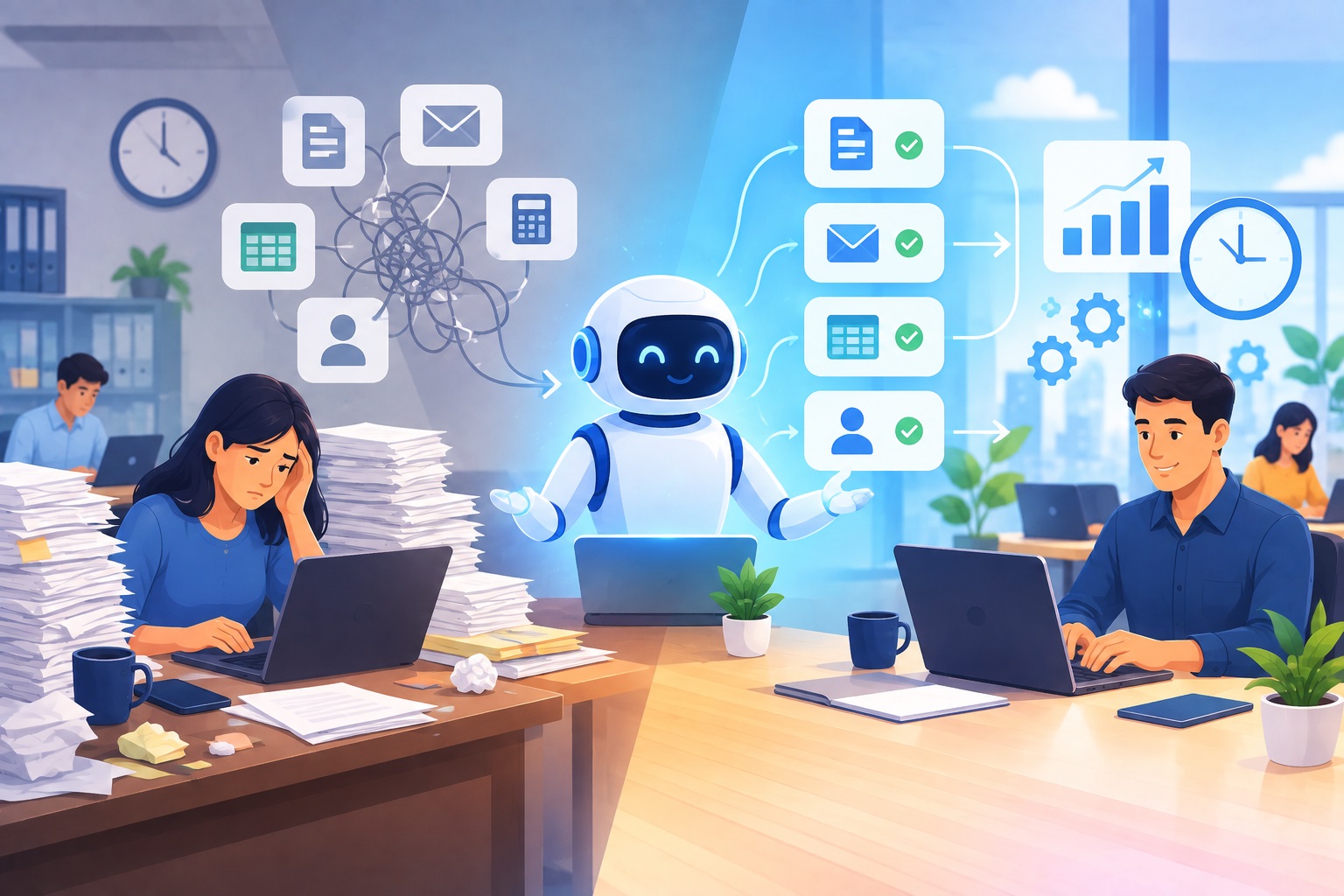
Traditional CRM platforms were designed to store information and track interactions. While useful, they placed the burden of interpretation on human users. Sales managers had to review pipelines, marketers had to study campaign metrics, and support teams had to dig through ticket histories to identify problems.
With the introduction of Autonomous AI, CRM platforms can now identify trends, predict outcomes, and surface insights automatically. Instead of asking what happened last month, teams can ask what is likely to happen next and what should be done about it.
This shift allows businesses to move from reactive management to proactive strategy.
How AI Workflows Turn Insights into Action
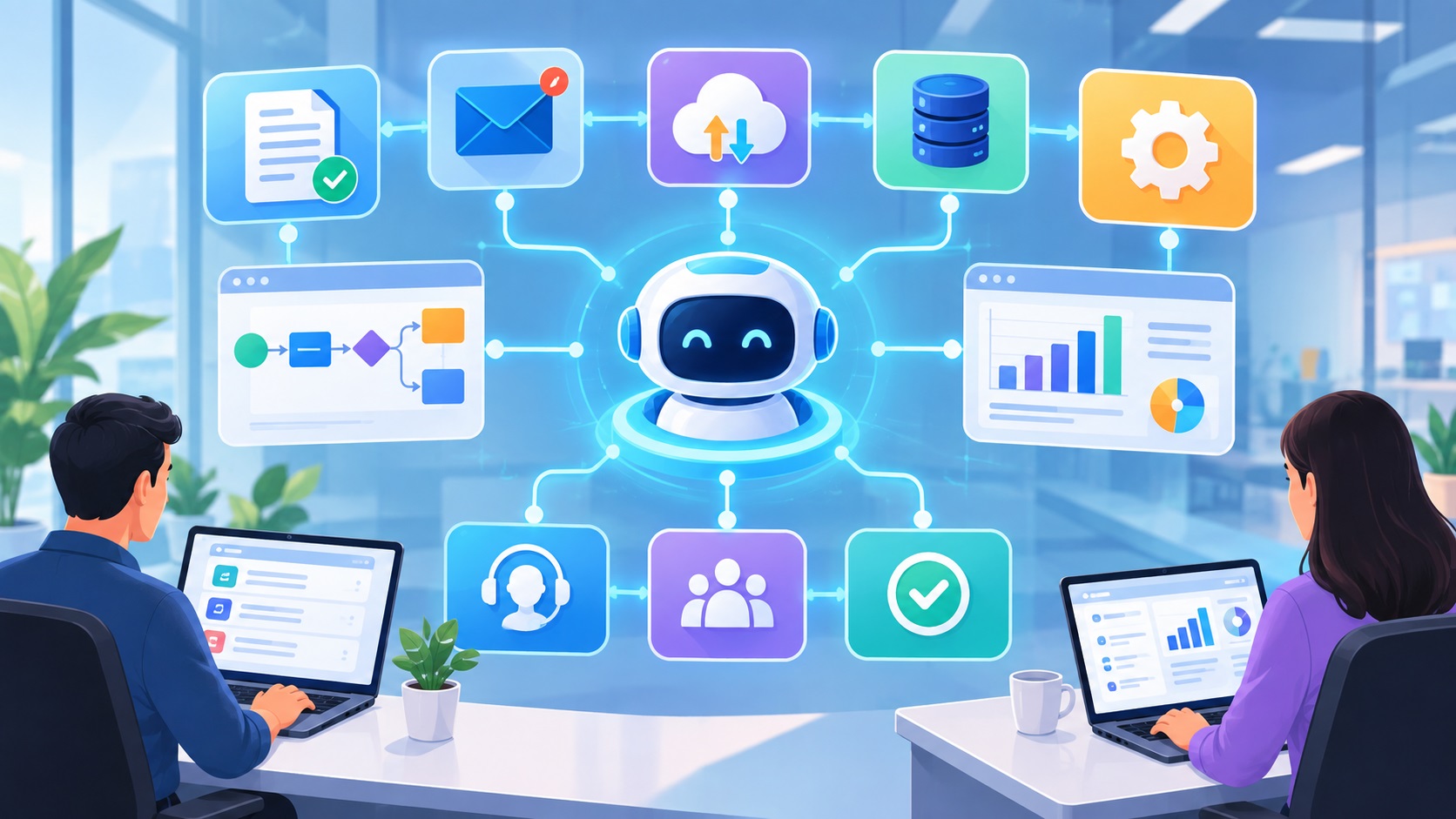
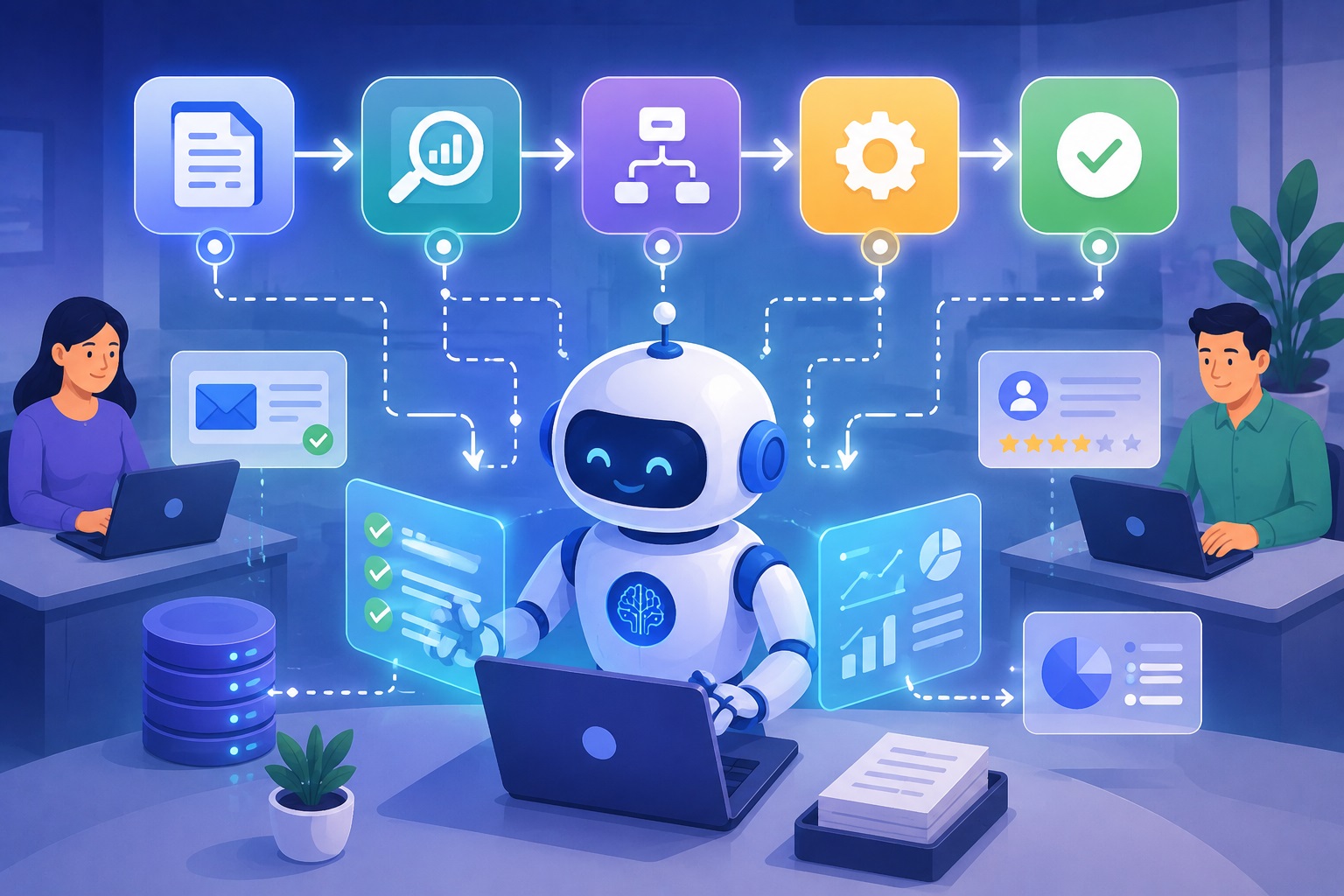
Data alone does not improve performance unless it leads to action. This is where AI workflows play a critical role. Intelligent workflows connect insights to execution by triggering tasks, updating records, and coordinating across departments.
For example, when AI detects that a customer is showing signs of disengagement, it can initiate a personalized follow-up campaign, notify the account manager, and adjust future messaging automatically. These workflows reduce delays and eliminate manual handoffs that often slow teams down.
By embedding intelligence into daily operations, companies ensure that insights do not remain trapped inside dashboards.
The Role of the AI Co-Pilot in CRM Strategy
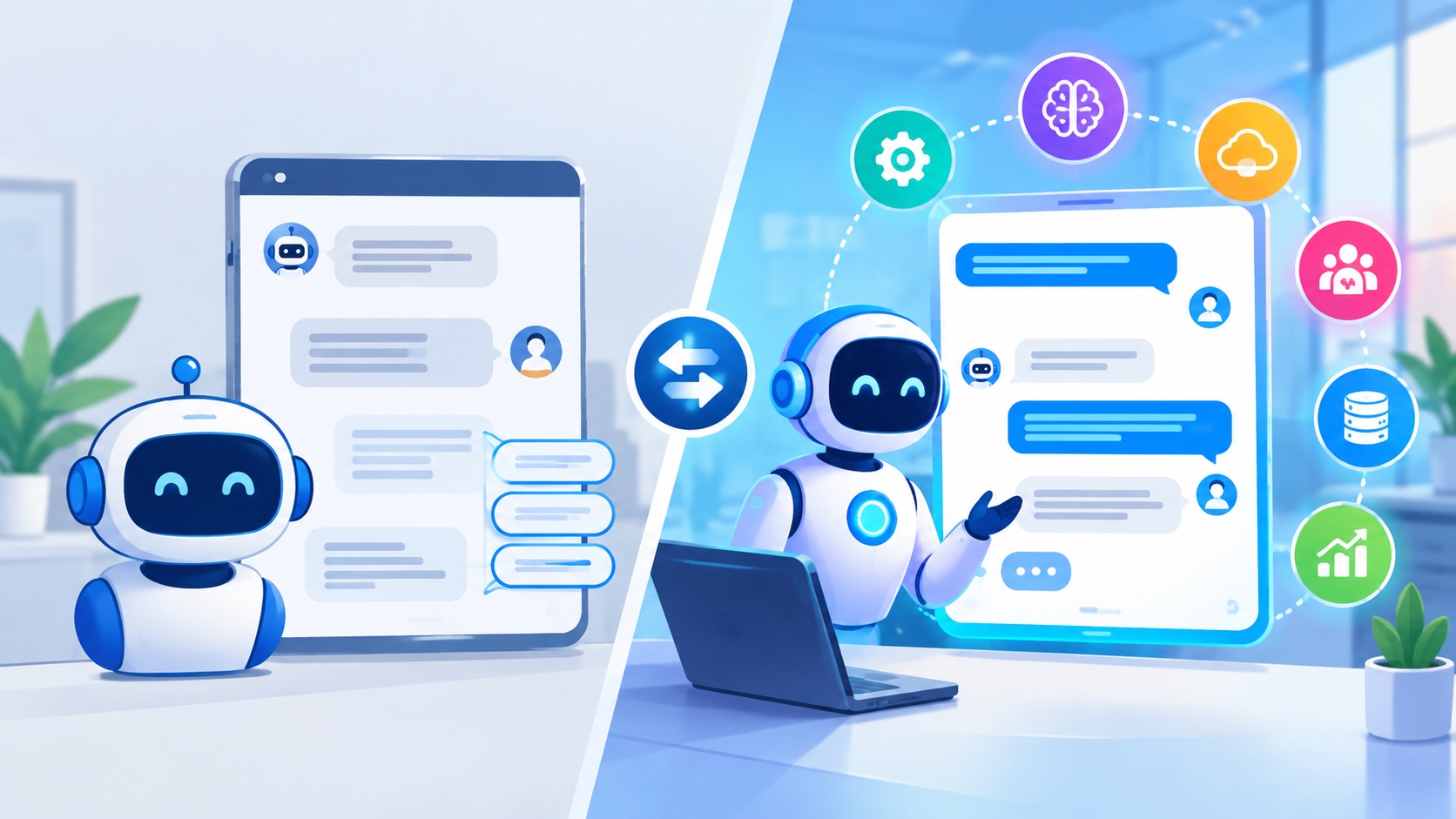
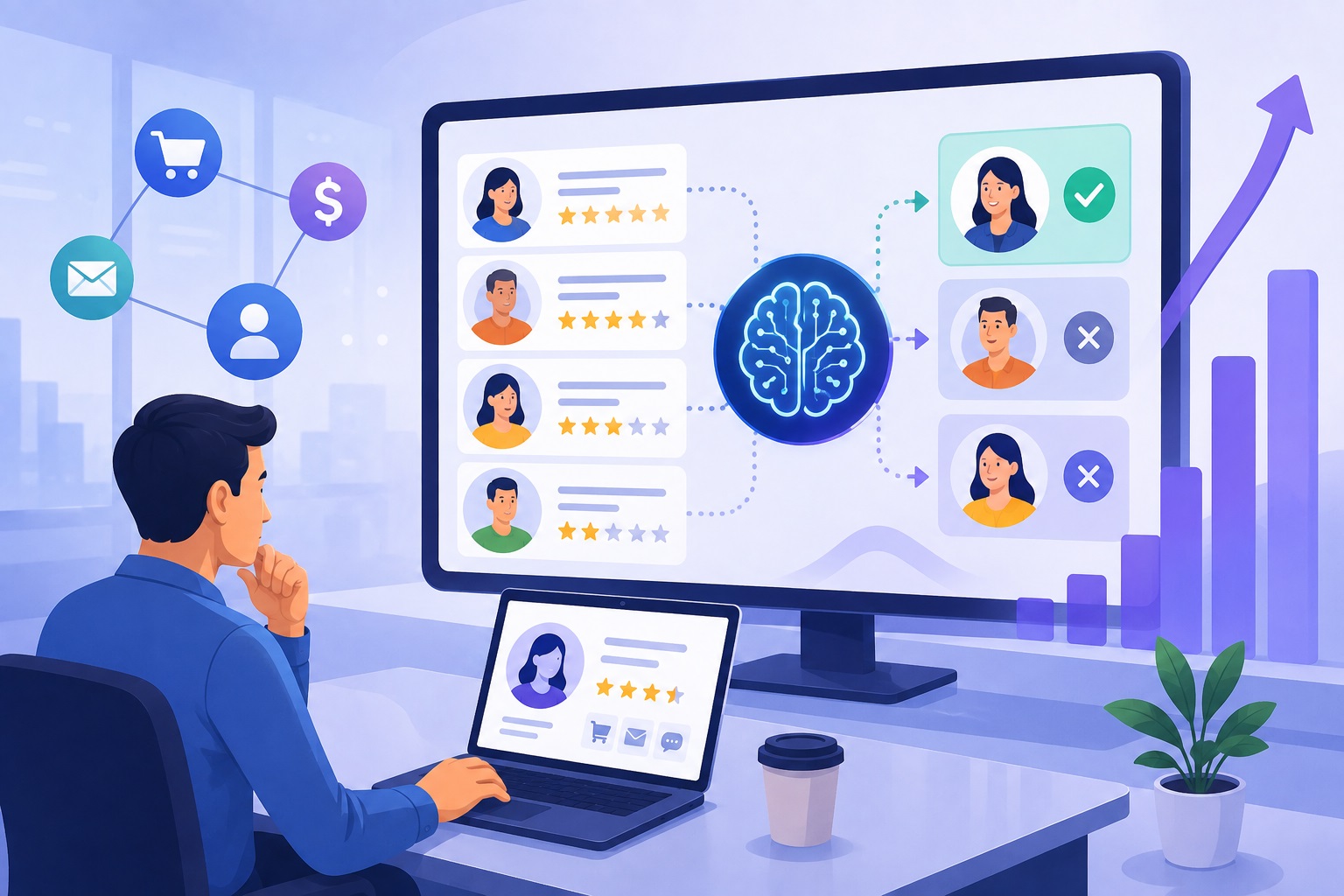
An AI co-pilot acts as an interactive guide that helps teams navigate complex data and make better decisions faster. Instead of digging through multiple reports, users can simply ask their co-pilot questions, such as which leads are most likely to convert or which customers are at risk of leaving.
Sales teams use co-pilot to prioritize outreach and tailor messaging. Marketing teams rely on them to optimize campaigns in real time. Customer service teams use them to anticipate issues before they escalate.
This conversational layer makes CRM systems more accessible and encourages data-driven behavior across the organization.
Why Top CRM Companies Are Embracing Agentic Automation
Leading platforms among the top CRM companies are moving toward agentic automation models where AI agents manage entire processes rather than isolated tasks. These agents are assigned goals such as improving retention, increasing upsell rates, or reducing response times.
Once given an objective, AI agents monitor data continuously, test strategies, and adjust actions without waiting for human instructions. This allows businesses to scale customer engagement and operational efficiency without increasing staff.
Agentic automation turns CRM into a living system that actively supports business goals rather than simply recording activity.
Best AI Assistant Tools in Sales and Customer Experience
The best AI assistant tools today function as productivity partners for frontline teams. They prepare meeting summaries, suggest follow-up actions, draft personalized emails, and track deal momentum automatically.
Over time, these assistants learn what works best for each user and adapt their recommendations accordingly. This personalization increases trust and makes AI feel less like software and more like a reliable colleague.
By reducing administrative work, AI assistants free teams to focus on relationship building and strategic thinking.
AI Voice Cloning and Conversational Intelligence in CRM
Voice interactions contain valuable emotional and behavioral signals that are often missed in text-based data. Modern CRM systems are now integrating voice analytics to capture tone, hesitation, and sentiment during customer calls.
With AI voice cloning, businesses can also deliver consistent brand experiences across automated voice interactions while maintaining a natural conversational feel. When combined with predictive models, voice data helps organizations identify dissatisfaction, interest, or urgency more accurately.
This adds another dimension to customer intelligence that enhances personalization and service quality.
The Importance of Custom Integration by a Software Development Company
While many CRM platforms offer built-in AI features, businesses often require custom solutions to match their specific workflows and data environments. This is where partnering with a skilled software development company becomes essential.
Custom development ensures that AI models integrate seamlessly with existing tools, comply with security requirements, and align with operational processes. It also enables businesses to design automation that reflects their unique customer journeys.
Without proper integration, even the most advanced AI tools can fail to deliver meaningful results.
How Agentic AI Supports Strategic Leadership
Beyond frontline teams, agentic AI also supports executive decision-making. Leaders can use predictive models to evaluate business scenarios, forecast revenue, and assess operational risks in real time.
Instead of relying solely on historical trends, executives gain forward-looking insights that guide investments and growth strategies. This creates a more agile organization that can adapt quickly to market changes.
AI becomes a strategic partner in planning rather than just a reporting tool.
Building Trust and Adoption Across Teams
For agentic AI co-pilots to succeed, employees must trust the recommendations they receive. Transparency in how AI arrives at conclusions is critical for building confidence.
Organizations that invest in training and change management see higher adoption rates and stronger performance gains. When teams understand that AI enhances their expertise rather than replacing it, collaboration becomes more natural.
Cultural alignment is just as important as technological capability in achieving long-term success.
Measuring the Business Impact of AI-Driven CRM
The effectiveness of agentic AI in CRM can be measured across multiple metrics, including conversion rates, customer lifetime value, response times, and employee productivity.
Companies that fully integrate AI into workflows often see faster deal cycles, improved retention, and more consistent customer experiences. These improvements translate directly into revenue growth and operational efficiency.
Over time, AI-driven CRM becomes a core competitive advantage rather than an optional enhancement.
Conclusion
Agentic AI co-pilots are transforming CRM from data repositories into intelligent decision platforms. Through Autonomous AI, smart AI workflows, and agentic automation, businesses can move from insight to action faster than ever before. With tools like the best AI assistant systems and voice intelligence, CRM strategies become more predictive, personalized, and profitable.
Syncrux builds AI-driven CRM automation that turns customer data into real business outcomes. Their solutions integrate intelligence directly into everyday workflows. With Syncrux, companies can transform CRM into a true growth engine.