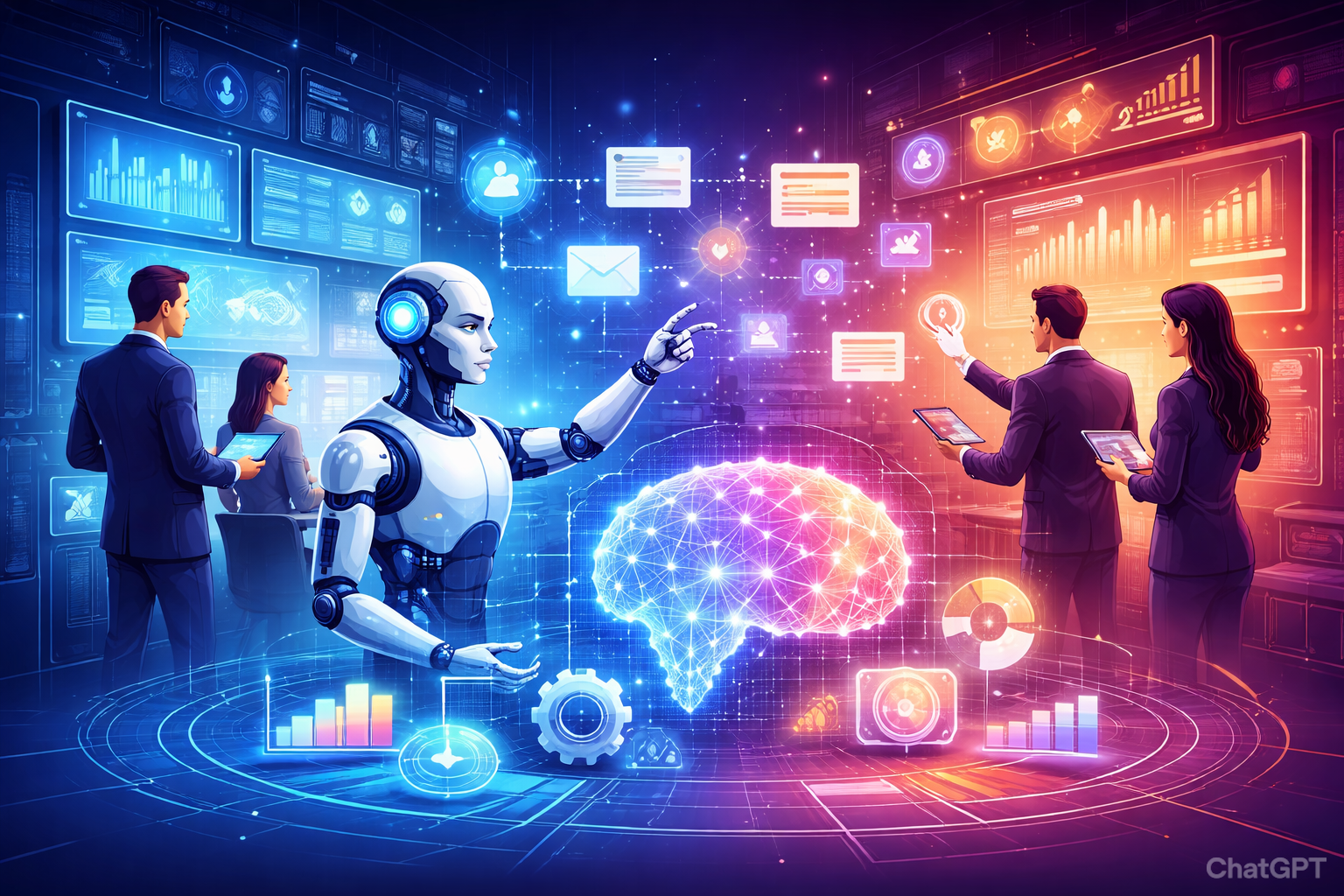
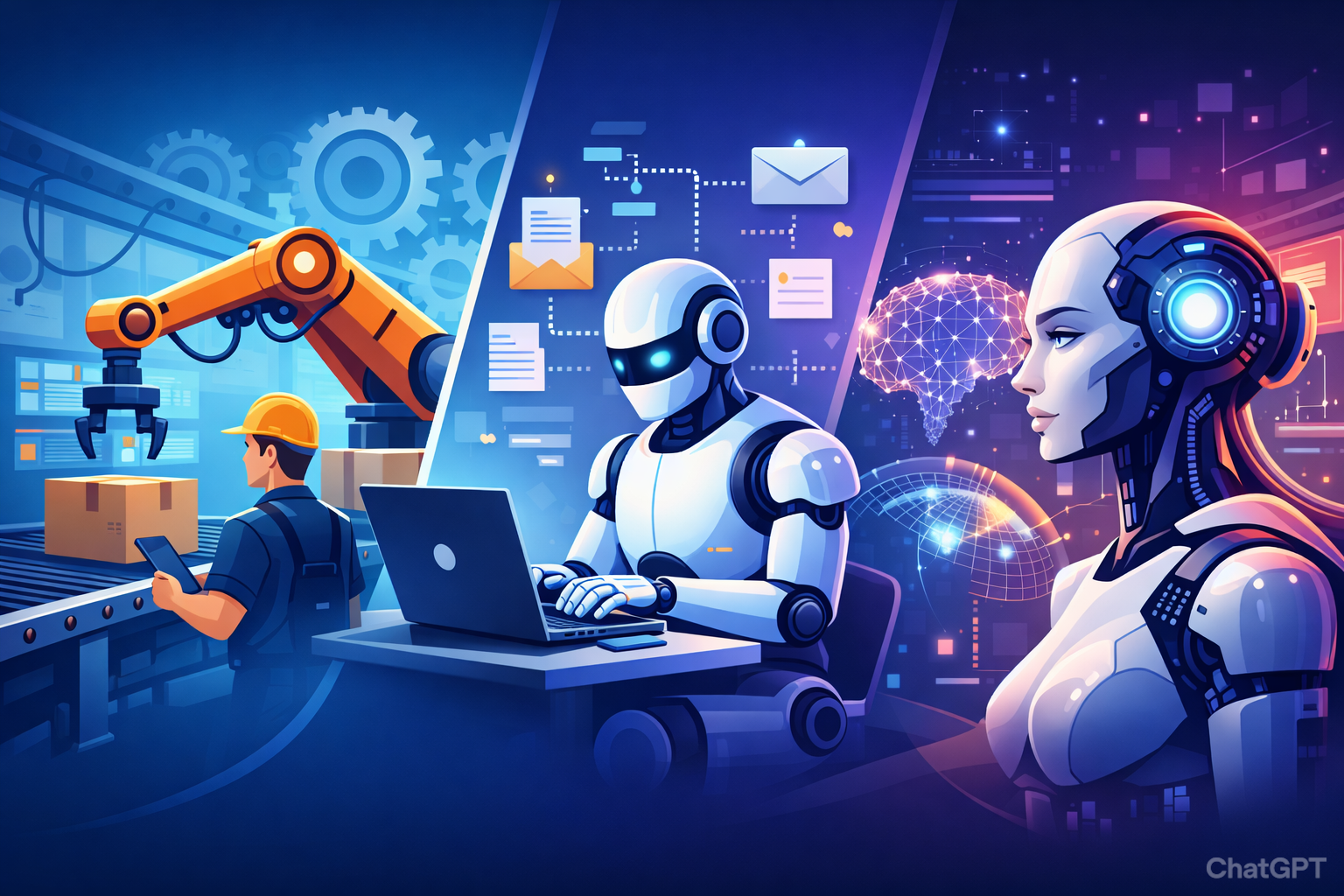
In today’s digital economy, data is everywhere, but insight is rare. Businesses collect massive amounts of customer information, yet many struggle to turn that data into meaningful action. This is where AI-powered predictive customer insights are changing the game. Instead of reacting to what already happened, companies can now anticipate what customers are likely to do next and shape their strategies accordingly.
With the rise of Autonomous AI and intelligent AI workflows, organizations are shifting from static reports to real-time decision engines. Predictive intelligence is no longer limited to enterprise giants. Even mid-sized companies can now access tools that help forecast demand, personalize experiences, and increase revenue with remarkable accuracy.
From Historical Reports to Predictive Intelligence
Traditional analytics focused on describing the past. Dashboards showed what sold last month or which campaign performed best last quarter. While useful, this approach left little room for proactive growth. Predictive AI models now analyze patterns across thousands of variables to estimate future outcomes.
By learning from browsing behavior, purchase history, service interactions, and even voice data, AI can identify signals humans would never notice. These insights allow teams to intervene at the right moment, whether that means offering a discount, changing messaging, or prioritizing a high-value lead.
This evolution is pushing businesses toward agentic automation, where AI does not just analyze data but also triggers actions across systems without waiting for manual input.
How Autonomous AI Drives Smarter Revenue Decisions
Autonomous AI systems operate with minimal supervision. They monitor customer behavior continuously and adapt strategies in real time. If a customer shows signs of churn, the system can automatically initiate retention workflows. If buying intent increases, sales engagement can be triggered instantly.
This ability to act independently makes AI far more valuable than traditional business intelligence tools. Instead of waiting for reports, teams benefit from dynamic recommendations that evolve with customer behavior.
In revenue-driven departments, this means faster responses, higher conversion rates, and more personalized experiences at scale.
AI Workflows That Connect Data Across the Organization
One of the biggest challenges businesses face is disconnected systems. Marketing, sales, and support often operate in silos, making it difficult to build a unified customer profile. AI workflows help bridge this gap by integrating data across platforms and departments.
Modern AI-driven workflows automatically move insights between tools, update records, and notify relevant teams. A sales team may receive alerts when a customer interacts with marketing content. Support teams may see risk indicators before a complaint is filed.
This level of orchestration transforms fragmented data into a coordinated growth engine that supports the entire customer journey.
The Rise of AI as a Co-Pilot for Business Teams
AI is increasingly functioning as a co-pilot rather than a background analytics tool. Instead of simply delivering reports, AI systems now assist teams in planning, forecasting, and decision-making.
Sales managers can ask their AI co-pilot which leads are most likely to close this week. Marketers can request campaign suggestions based on predicted engagement. Executives can explore scenarios and revenue forecasts conversationally.
This interactive layer makes predictive insights accessible to non-technical users and encourages data-driven decisions across every role in the organization.
Why Top CRM Companies Are Investing Heavily in AI
Leading platforms among the top CRM companies are rapidly embedding predictive AI into their core systems. CRM is no longer just about storing contacts. It is becoming the central brain of customer strategy.
AI-enhanced CRM platforms can recommend next best actions, forecast deal outcomes, and personalize communication at scale. These capabilities help businesses move from reactive customer management to proactive relationship building.
As competition intensifies, predictive CRM insights are becoming a requirement rather than a differentiator.
Agentic Automation and the Future of Customer Engagement
Agentic automation represents the next stage of business automation. Instead of automating isolated tasks, AI agents manage entire processes across multiple systems.
For example, an AI agent can detect declining engagement, analyze past behavior, design a retention strategy, and execute follow-ups automatically. Human teams step in only when complex decisions are required.
This approach allows businesses to scale customer engagement without scaling operational costs, which directly impacts profitability and growth.
Best AI Assistant Capabilities in Revenue Operations
The best AI assistant tools are now capable of supporting revenue teams throughout the entire sales cycle. They help prioritize leads, draft personalized outreach, schedule follow-ups, and track deal progress automatically.
By learning from successful past interactions, these assistants continuously refine their recommendations. Over time, they become more accurate and aligned with business goals.
This constant learning loop is what enables AI assistants to deliver sustained value rather than one-time productivity gains.
Voice Data and AI Voice Cloning in Customer Intelligence
Voice interactions provide rich emotional and behavioral data that text alone cannot capture. AI systems can analyze tone, sentiment, and hesitation to assess customer satisfaction and buying intent.
Some businesses are also using AI voice cloning to maintain a consistent brand voice across automated interactions. When combined with predictive insights, this creates personalized and recognizable communication that feels natural rather than robotic.
Used ethically, voice AI can deepen relationships while improving response times and service quality.
Why Software Development Companies Play a Key Role in AI Adoption
Off-the-shelf tools cannot always support complex, customized business workflows. This is why partnering with a skilled software development company is often essential for maximizing AI value.
Custom development allows businesses to integrate AI into proprietary systems, tailor automation to specific processes, and ensure data flows smoothly between platforms.
As predictive AI becomes more central to operations, development partners help companies move faster and innovate with confidence.
Turning Predictive Insights into Sustainable Revenue Growth
Predictive customer insights only create value when they are connected to action. Businesses that succeed with AI are those that embed insights directly into daily workflows rather than treating analytics as a separate function.
When AI predictions guide marketing spend, sales prioritization, customer retention, and product development, revenue growth becomes more consistent and scalable.
In this environment, AI is not just a support tool. It becomes a strategic driver of long-term business performance.
Conclusion
AI-powered predictive customer insights are transforming how businesses turn data into revenue. Through Autonomous AI, intelligent AI workflows, and agentic automation, organizations can anticipate customer needs and act in real time. With tools like co-pilot systems, voice intelligence, and the best AI assistant platforms, predictive analytics is becoming accessible to businesses of all sizes.
Syncrux builds intelligent automation systems that convert customer data into measurable business growth. Their AI-driven platforms integrate predictive insights directly into real-world workflows. With Syncrux, companies can move from reactive decisions to proactive revenue strategies.