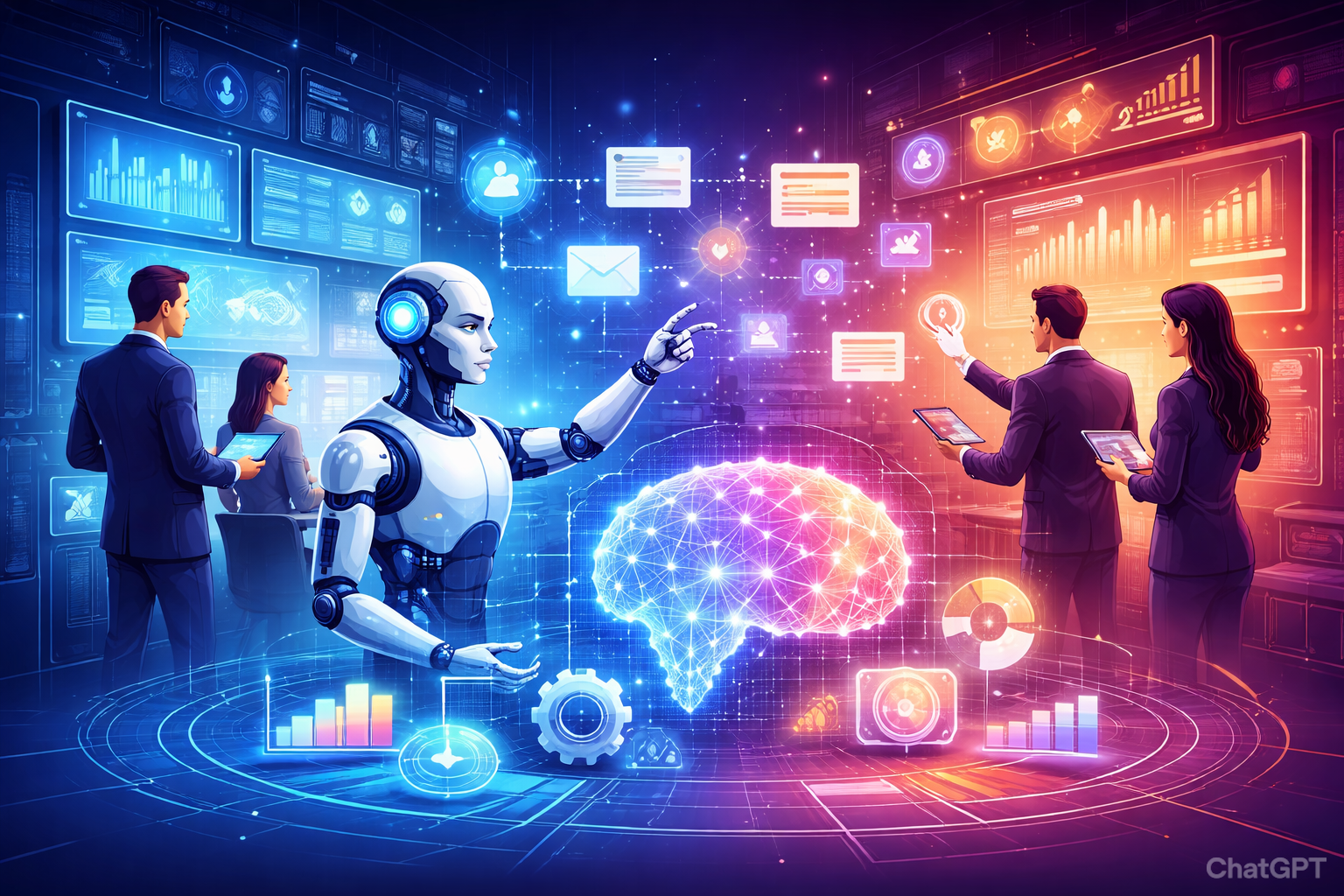
Artificial intelligence has come a long way, but most tools still rely on constant human input. You tell them what to do, they respond, and the process stops there. A new type of AI is changing that model completely. It is called autonomous AI, and it is reshaping how real work gets done inside businesses.
With autonomous AI task automation, systems are no longer limited to reacting to prompts. They can plan tasks, monitor progress, make decisions, and complete full workflows on their own.
Optix is a strong example of how this technology works in practice. It operates using its own computer environment, handling tasks independently and delivering results without needing step-by-step guidance.
This shift allows teams to spend less time on repetitive work and more time focusing on decisions, strategy, and growth.
What Autonomous AI Task Automation Really Means
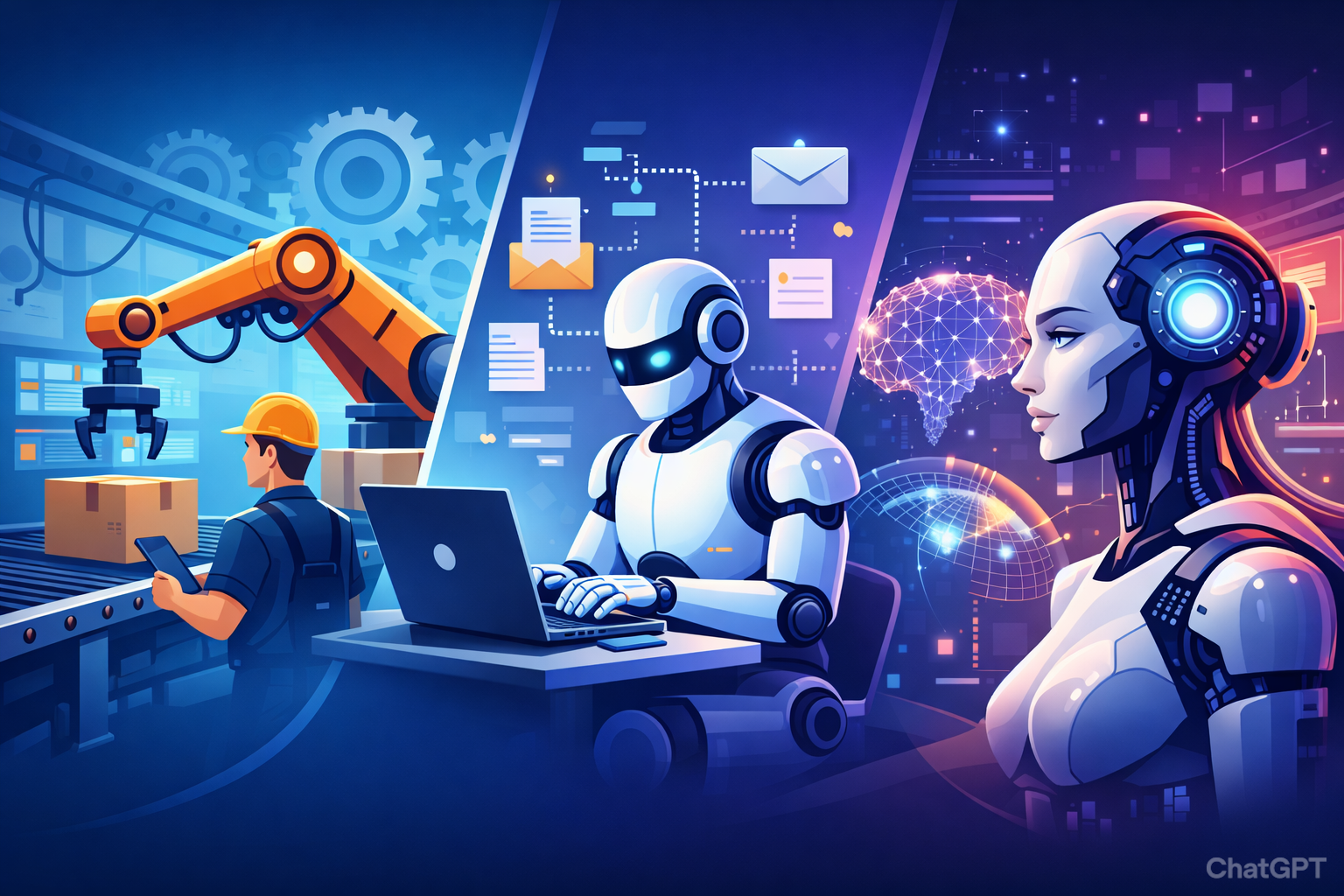
To understand Optix, it helps to first understand how autonomous AI task automation differs from traditional automation. Most AI tools still wait for instructions. They perform a task only after a user asks, and they stop once that task is finished.
Optix works differently. It continuously operates in the background. It identifies what needs to be done, decides how to do it, and completes the work without constant supervision. Instead of being a tool you manage, it behaves more like a digital team member that manages tasks on its own.
This level of independence is what makes autonomous AI task automation so powerful for modern businesses.
Continuous Monitoring Without Human Oversight
One of the strongest capabilities of Optix is continuous monitoring. Using its own computing environment, it keeps an eye on dashboards, folders, emails, databases, and performance metrics around the clock.
Unlike human teams, Optix does not get distracted or fatigued. It notices changes as soon as they happen and reacts immediately. Whether it is missing data, unusual performance trends, or delayed workflows, Optix detects issues early and triggers the right actions based on predefined logic or learned behavior.
This constant awareness helps businesses avoid small problems turning into larger ones.
Automating Reports and Data Compilation
Reporting is essential, but it often consumes valuable time. Teams frequently spend hours gathering data from different platforms, cleaning spreadsheets, verifying numbers, and formatting reports.
With autonomous AI task automation, Optix handles this entire process independently. It pulls data from multiple sources, converts file formats, combines information, and creates structured reports without manual input. Reports are delivered in the required format and at scheduled times.
This not only saves time but also improves consistency and reduces the risk of human error.
Independent Web Research and Information Gathering
Research is another area where Optix adds real value. Instead of assigning team members to manually search, compare, and track information, Optix performs web research on its own.
Using its computer environment, it browses websites, gathers data, compares sources, and identifies relevant trends. It can support tasks such as market research, competitor analysis, pricing comparisons, and industry monitoring.
When important updates appear, Optix alerts teams and updates internal records automatically, keeping businesses informed without constant effort.
Handling Administrative Tasks Automatically
Administrative work often slows teams down more than expected. Scheduling meetings, organizing files, updating records, and managing reminders can quickly become overwhelming.
Optix uses autonomous AI task automation to manage these tasks independently. It organizes calendars, creates and maintains folders, checks documents for missing information, and flags outdated records. When allowed, it can also correct issues automatically.
This keeps internal systems clean and organized, while freeing teams from repetitive administrative work.
Executing Full Multi-Step Workflows
Basic automation usually handles only one action at a time. Optix is designed for complete workflows. It can carry out multi-step processes from start to finish without human involvement.
For example, Optix can retrieve customer data, validate it, update internal systems, generate summaries, and upload finalized files to the correct locations. Each step is completed in sequence, with checks to ensure accuracy before moving forward.
This approach works well for tasks like invoice processing, compliance checks, employee onboarding, and internal ticket handling.
Supporting Customer Support Teams Behind the Scenes
Customer support depends on speed, accuracy, and organization. Optix helps by managing backend tasks that often slow support teams down.
It reviews incoming tickets, categorizes them, extracts relevant details, and gathers supporting documents. Optix can then prepare structured case summaries or response drafts for support agents.
By handling preparation work, Optix allows human agents to focus on resolving issues and communicating effectively with customers.
Managing Email and Communication Tasks
Email overload is a common challenge in every organization. Optix helps by reading and organizing emails using predefined rules and learned patterns.
It identifies urgent messages, extracts attachments, organizes conversation threads, and drafts responses for review. In more advanced setups, Optix can respond to routine inquiries and send follow-up messages automatically.
Because it works from its own system, communication remains organized and efficient without adding to team workloads.
Maintaining Compliance With Automated Audit Trails
Compliance requires transparency and detailed records. Optix automatically creates audit trails by logging every action it takes within its computing environment.
Each activity is time-stamped and stored securely, making it easy to review past actions when needed. This supports regulatory requirements and strengthens internal accountability.
Teams can audit workflows at any time and adjust processes based on accurate historical data.
Conclusion
Optix demonstrates what autonomous AI task automation looks like in real-world business operations. By working independently, managing its own computing resources, and completing complex workflows, it delivers consistent results at speed.
Syncrux represents the next stage of AI-powered solutions, helping businesses move beyond basic automation and toward systems that actively manage work, reduce operational pressure, and support smarter decision-making.