Your CRM is either making you money or quietly burning it. There is no middle ground in 2026. Far too many fast-growing companies have stalled out early simply because they chose the wrong system.
In addition, the stakes have never been higher. The global CRM market reached $82 billion last year and is racing toward $131 billion by 2028. This is not just hype. Businesses are finally waking up to the true value of customer data.
As a result, a powerful CRM is no longer a nice-to-have; it has become the backbone of how modern companies sell, serve, and scale.
How AI Becomes a Key Component of Modern CRM Software
Here’s the truth: AI in CRM is not about robots replacing your team. Instead, it’s about cutting through the noise and friction that slow everyone down.
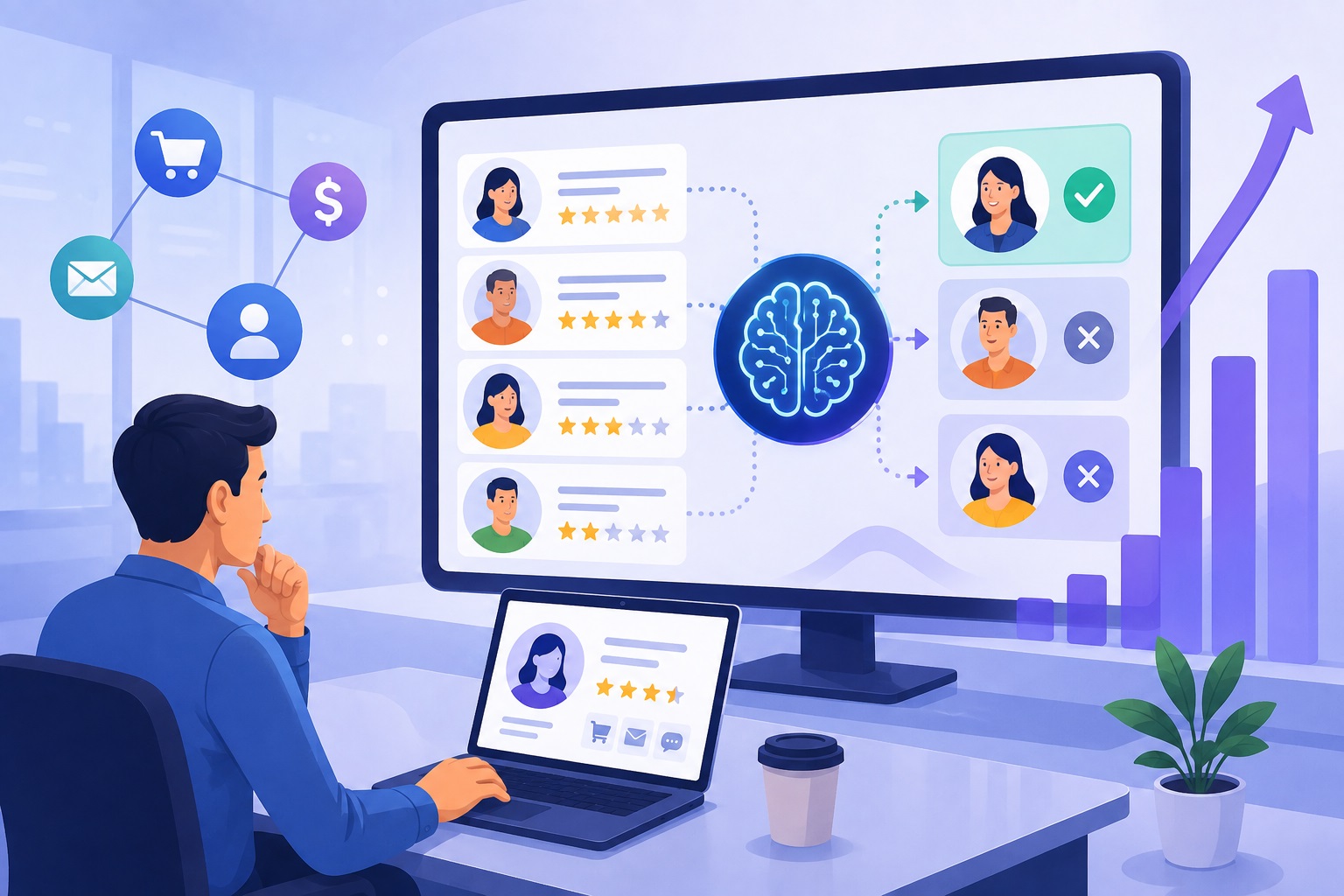
For starters, predictive analytics now delivers real results. While old CRMs only told you what already happened, today’s AI-powered platforms forecast what’s likely to happen next.
Sales reps can now identify hot leads before they even pick up the phone. In fact, companies are using AI-driven predictive analytics to prioritize opportunities and improve sales productivity.
Moreover, AI doesn’t stop at lead scoring. It spots churn risks early, flags timely upsell opportunities, and even advises when to reach out or when to give a prospect space. This shift from guessing to knowing has completely transformed how high-growth teams operate.
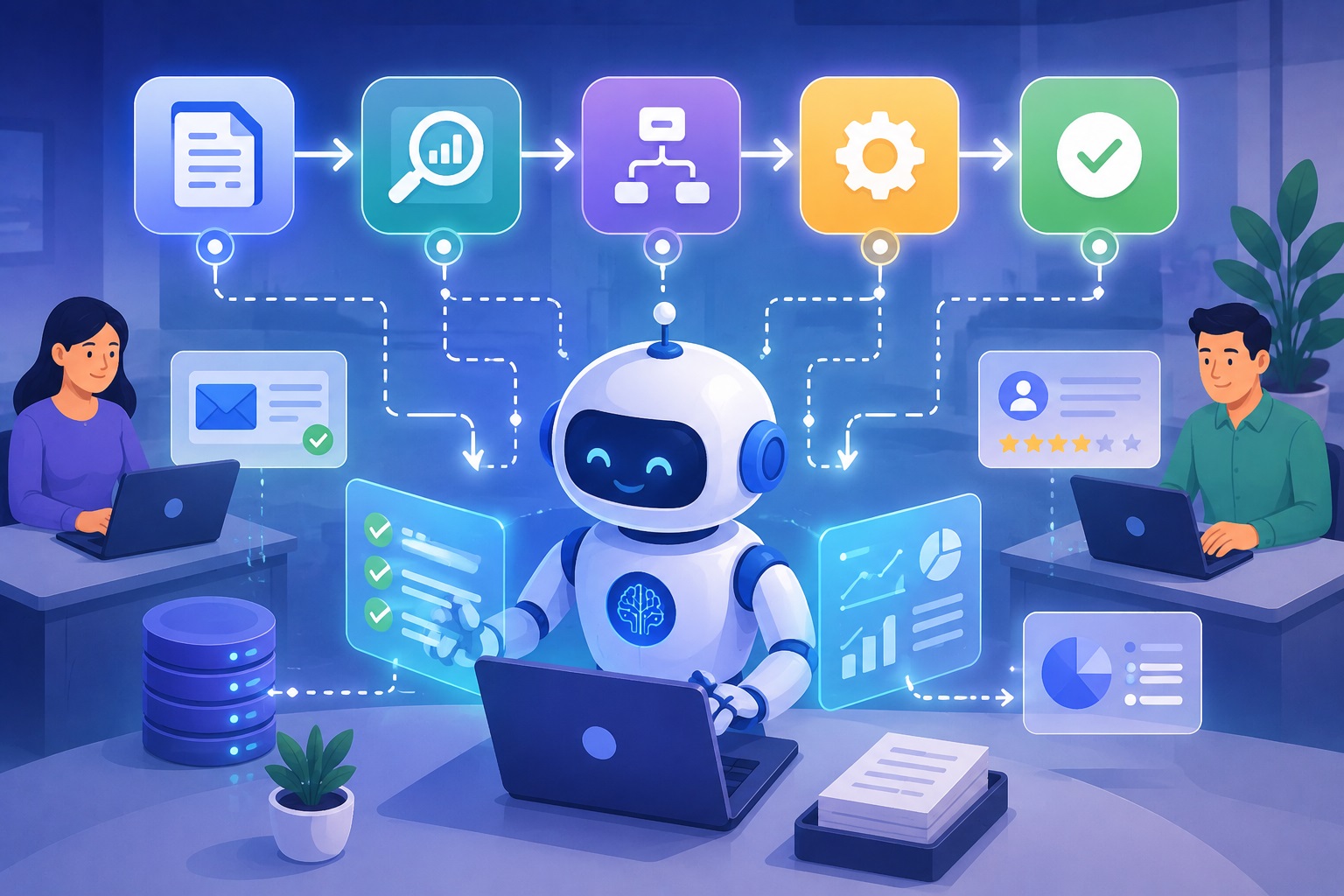
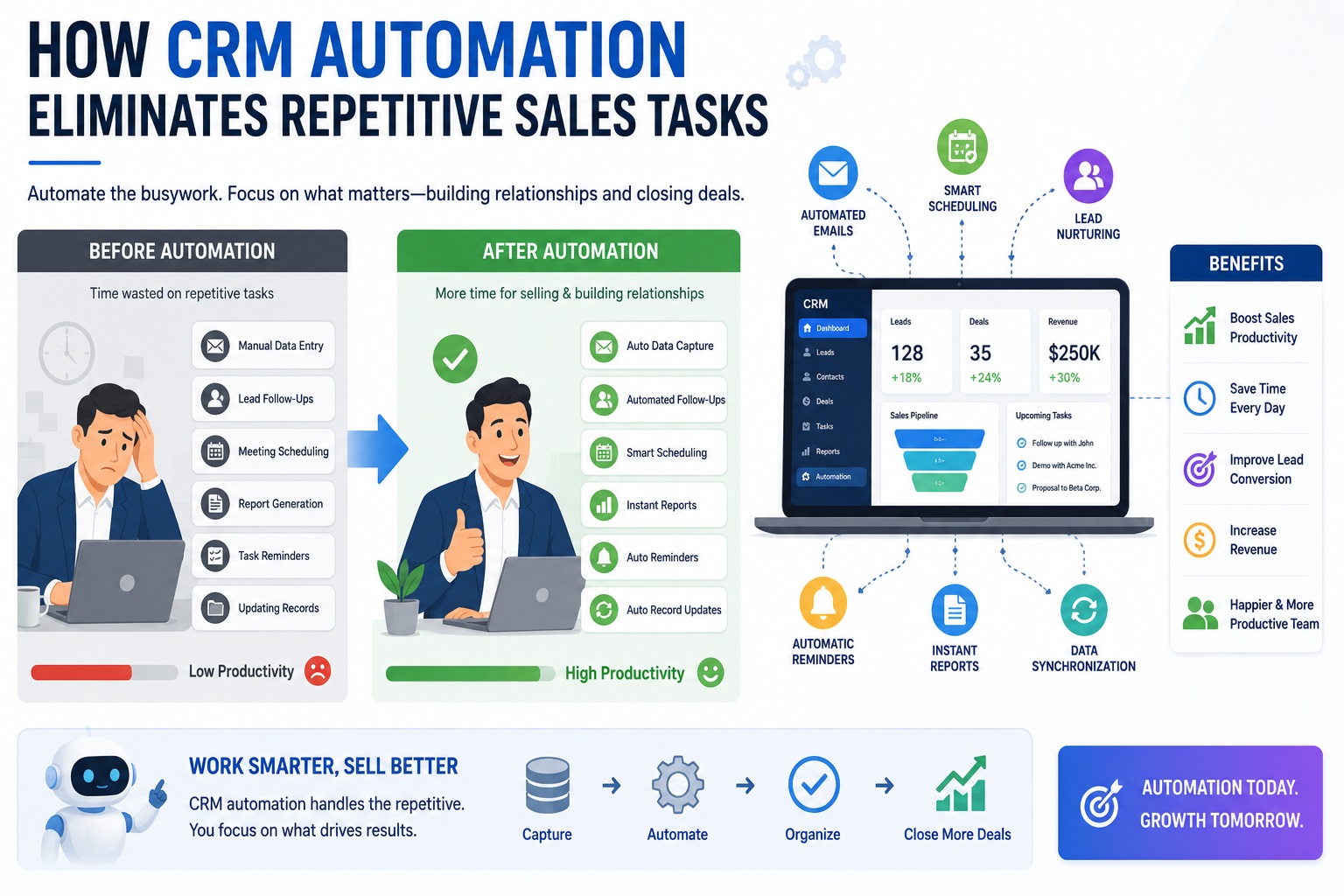
Another major benefit is automation. Your sales reps didn’t join the company to copy and paste data all day. Fortunately, modern CRM automation tools now handle the repetitive work, data entry, follow-ups, scheduling, and lead scoring, running quietly in the background.
As a result, reps reclaim an average of 5.5 hours per week. That extra time goes directly into talking to prospects and closing deals instead of clicking boxes.
Furthermore, personalization now happens at scale. You can’t realistically write individual emails to thousands of customers, but AI can.
Businesses that master this approach are seeing conversion rates rise by around 20%. In 2026, generic blasts no longer work; personalization has become the price of entry.
What High-Growth Companies Actually Want
Beyond AI capabilities, several other factors separate the CRMs that scale successfully from those that eventually break.
First and foremost, scalability is non-negotiable. The right and scalable CRM platform grows with your business rather than holding it back.
It has been observed that startups can explode into enterprise-level companies almost overnight. Your CRM that handles ten users today should be able to handle ten thousand tomorrow without issues.
However, remember the hidden limitations such as storage caps, user limits, or API throttling. These factors can become major obstacles during the process of rapid growth.
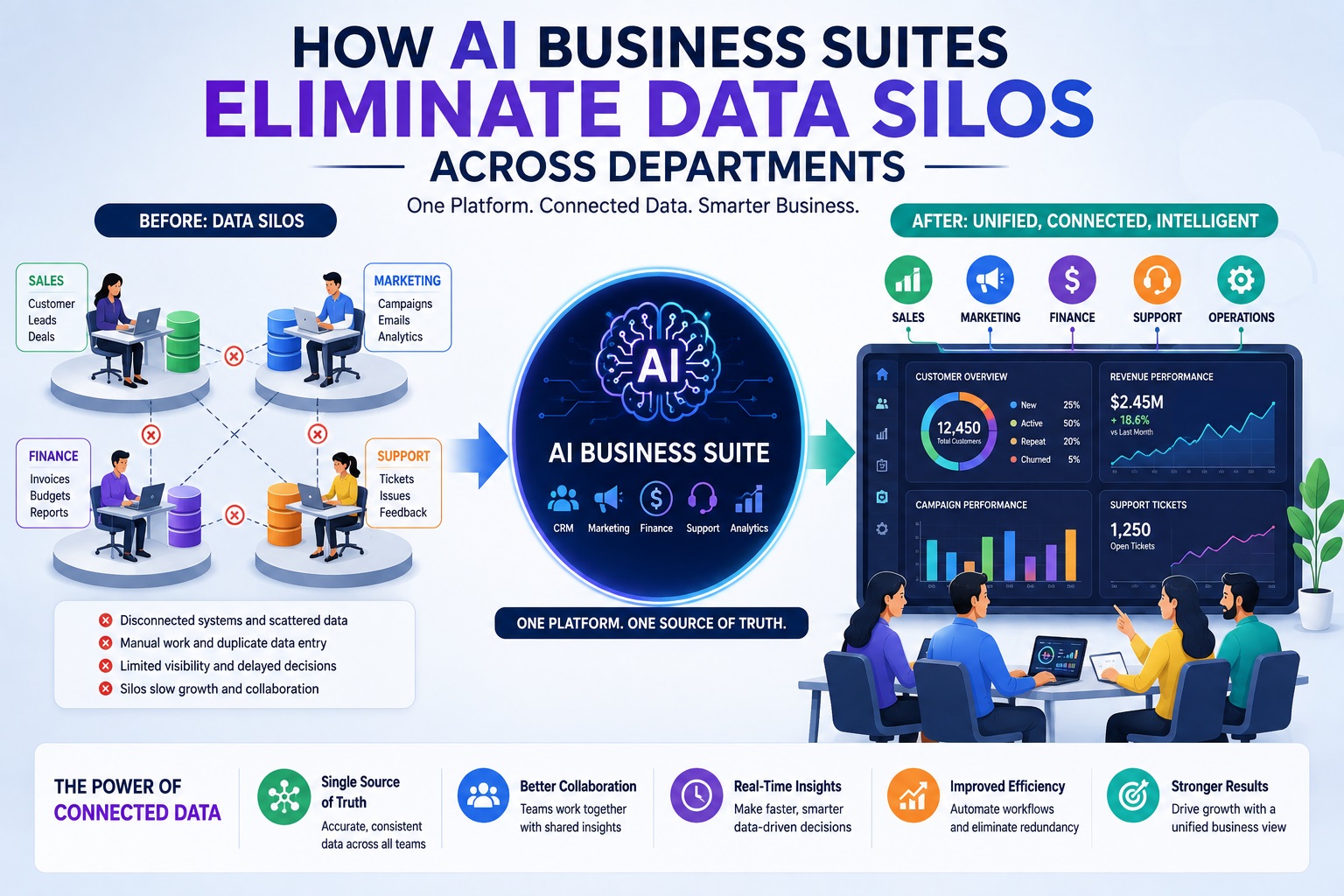
No CRM operates in isolation anymore. The best solutions connect natively with your email, accounting, marketing, and support tools.
Mobile functionality has also become critical. Remote work is here to stay, and reps now close deals from planes, parking lots, and job sites. A strong mobile app should offer offline access, voice notes, and GPS capabilities. If your team has to wait until they’re back at a desk to update records, you’re losing deals.
Lastly, pricing should be predictable; hidden fees can destroy budgets. While per-user pricing works for smaller teams, usage-based models often suit variable growth better. Scaling organizations need cost structures that scale cleanly, so always read the fine print and ask detailed questions about overage charges.
How to Pick the Right CRM
Begin by mapping your biggest pain points:
Where are leads falling through the cracks?
How much time is your team losing on manual tasks?
How many different apps are you currently juggling?
Once you’ve done that, demo at least three options. Test the mobile app yourself. Ask about implementation timelines and speak with references in your industry. Don’t forget to check recent reviews on G2 and Capterra, but focus on real user feedback rather than marketing claims.
A seemingly cheap platform that requires constant IT help often ends up costing more in the long run.
Finally, plan for where your business will be in three years. Choose a scalable CRM platform that aligns with that vision. Switching systems mid-growth is expensive, disruptive, and painful; many teams lose six months of momentum after a bad migration.
Frequently Asked Questions
What CRM features are most important for high-growth companies in 2026?
In 2026, high-growth companies prioritize AI-powered predictive analytics, intelligent automation, seamless integrations, real-time dashboards, scalability, and mobile functionality above all else in their CRM.
Why is AI becoming a key component of modern CRM software?
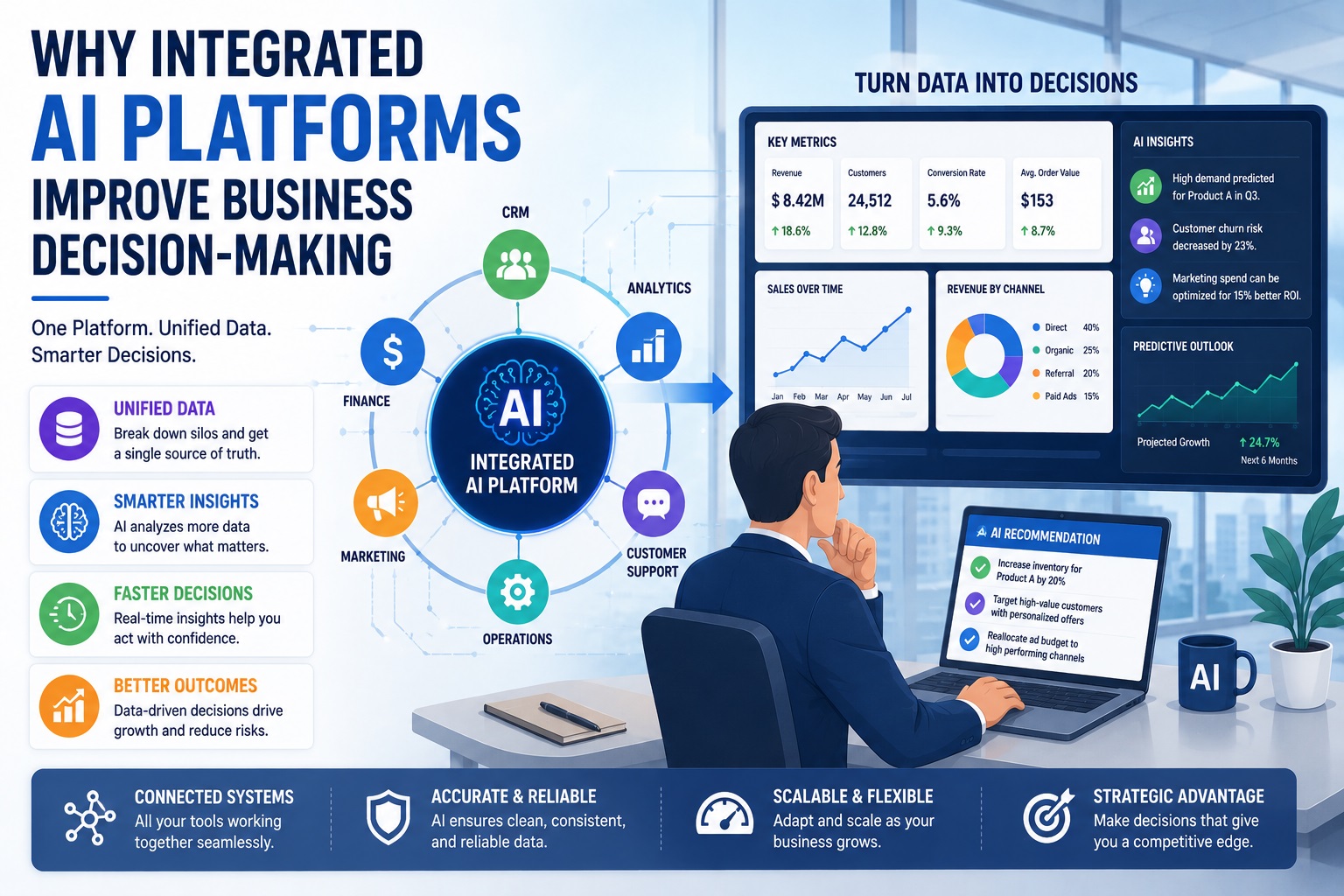
AI is becoming a key part of modern CRM software because it helps teams work faster and make smarter decisions from customer data. It can predict which leads are most likely to convert, flag churn risks, automate follow-ups, personalize outreach, and surface useful sales insights without requiring teams to dig through data manually.
In 2026, AI helps CRMs move beyond mere information storage to become tools that actively guide sales, marketing, and customer service teams.
How does CRM scalability impact business growth?
CRM scalability powers business growth by enabling expansion without performance bottlenecks, expensive migrations, or data disruptions. It allows companies to scale from startups to enterprises smoothly while maintaining clean analytics and operational speed.
What are the risks of choosing the wrong CRM software?
Sometimes, teams are not receptive to clunky tools and start working around them. It leads to dirty data and broken integrations. Sales cycles lengthen, customer service suffers, and replacing the system later can be costly, depending on company size. The wrong choice of CRM can also lock you into restrictive contracts. Always ensure the platform fits your workflow rather than forcing your business to adapt to the software.
Conclusion
High-growth companies in 2026 need a CRM that does much more than just store contacts. They need systems that actually predict what’s coming, automate the boring stuff, and scale effortlessly as the business grows.
The best CRM isn’t necessarily the most popular one. It’s the platform that aligns with your sales process, growth goals, reporting needs, and customer experience strategy.
Do your homework. Test at least a few platforms properly. Ask hard questions about how deep their AI really goes, how well they integrate with your other tools, and what happens when you scale. The right CRM can give you a serious advantage. The wrong one will slow you down and cost you time and money. At the end of the day, your customers want smooth experiences, your team wants tools that actually make their lives easier, and your business needs reliable, actionable data. A good modern CRM delivers all three. Start evaluating your options now. The companies that choose wisely this year will be well ahead of those that don’t.