Modern businesses rely on dozens of software tools to manage operations, communication, sales, customer service, marketing, and analytics. While these tools may solve individual problems, they often create a bigger challenge: complexity.
Teams end up switching between multiple platforms, managing disconnected data, and paying for overlapping software subscriptions.
As businesses grow, this fragmented approach becomes expensive and inefficient. This is why many organizations are now moving toward a single AI business platform that combines multiple functions into one intelligent system.
Instead of managing separate tools for automation, analytics, CRM, communication, and workflows, companies are adopting unified AI solutions that streamline operations and reduce costs.
The shift toward AI-powered consolidation is changing how businesses operate, collaborate, and scale.
The Problem with Using Too Many Business Tools
Most companies start by adopting tools one at a time. One platform handles customer support, another manages CRM, and another takes care of marketing automation. Over time, businesses end up with disconnected systems that do not communicate effectively with one another.
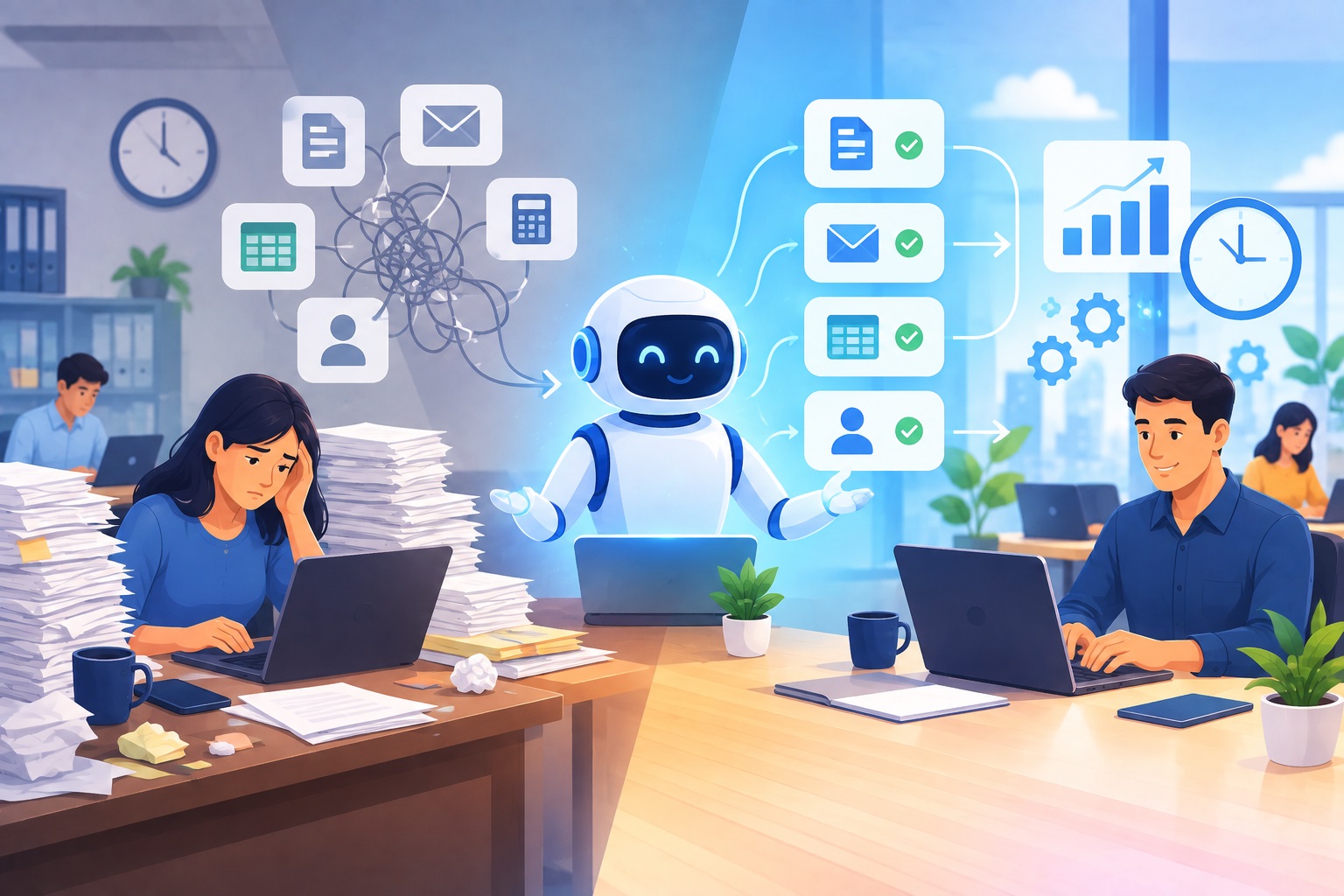
This creates several problems. Teams waste time switching between platforms, data becomes fragmented, and workflows slow down because information is stored in different places. Businesses also spend significant amounts on software subscriptions, integrations, maintenance, and employee training.
Managing multiple tools can also create communication gaps between departments. Sales teams may not have access to customer support data, while marketing teams may struggle to align campaigns with customer insights.
This is where unified AI automation software provides a more efficient solution.
What Makes Unified AI Platforms Different?
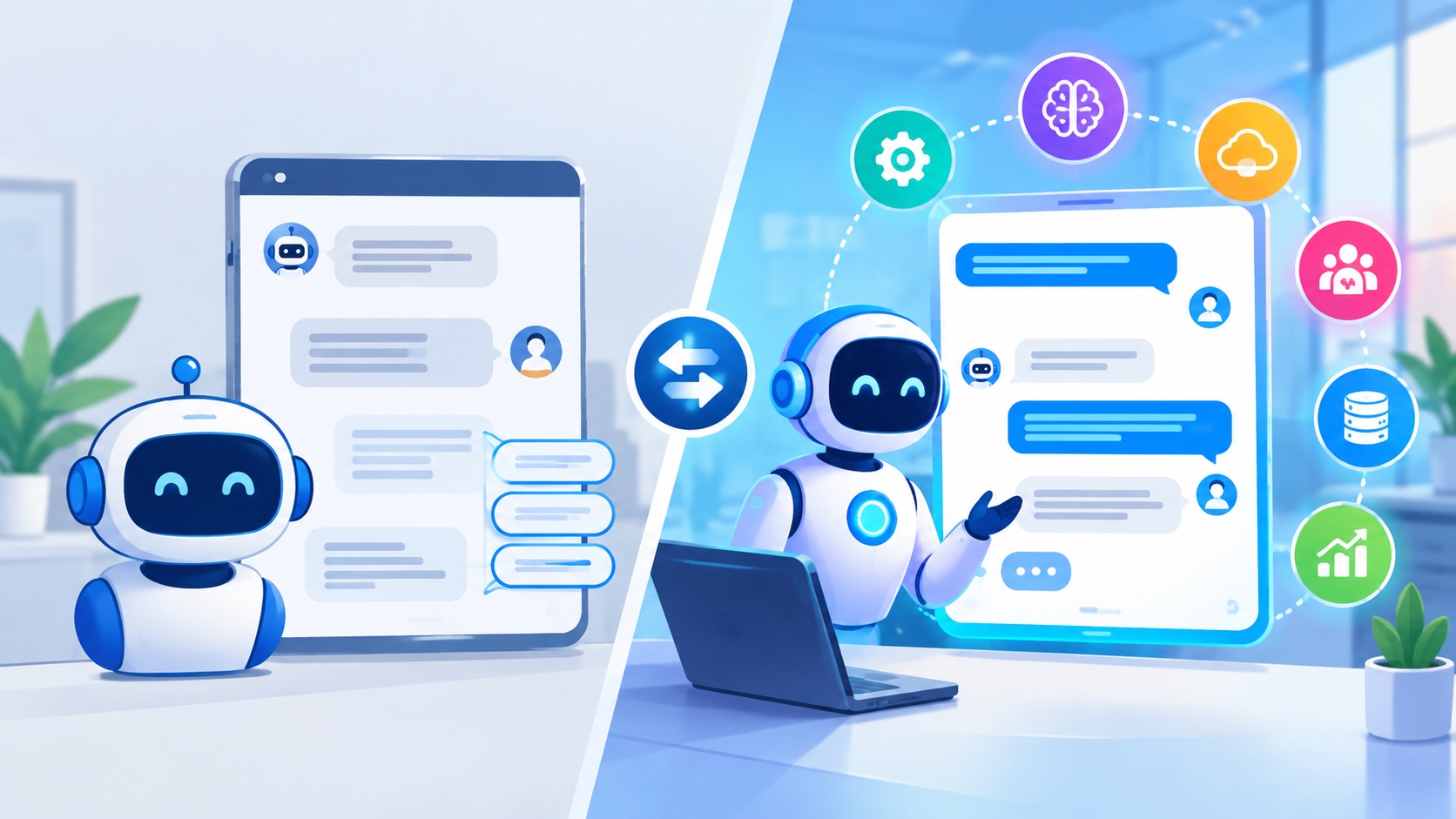
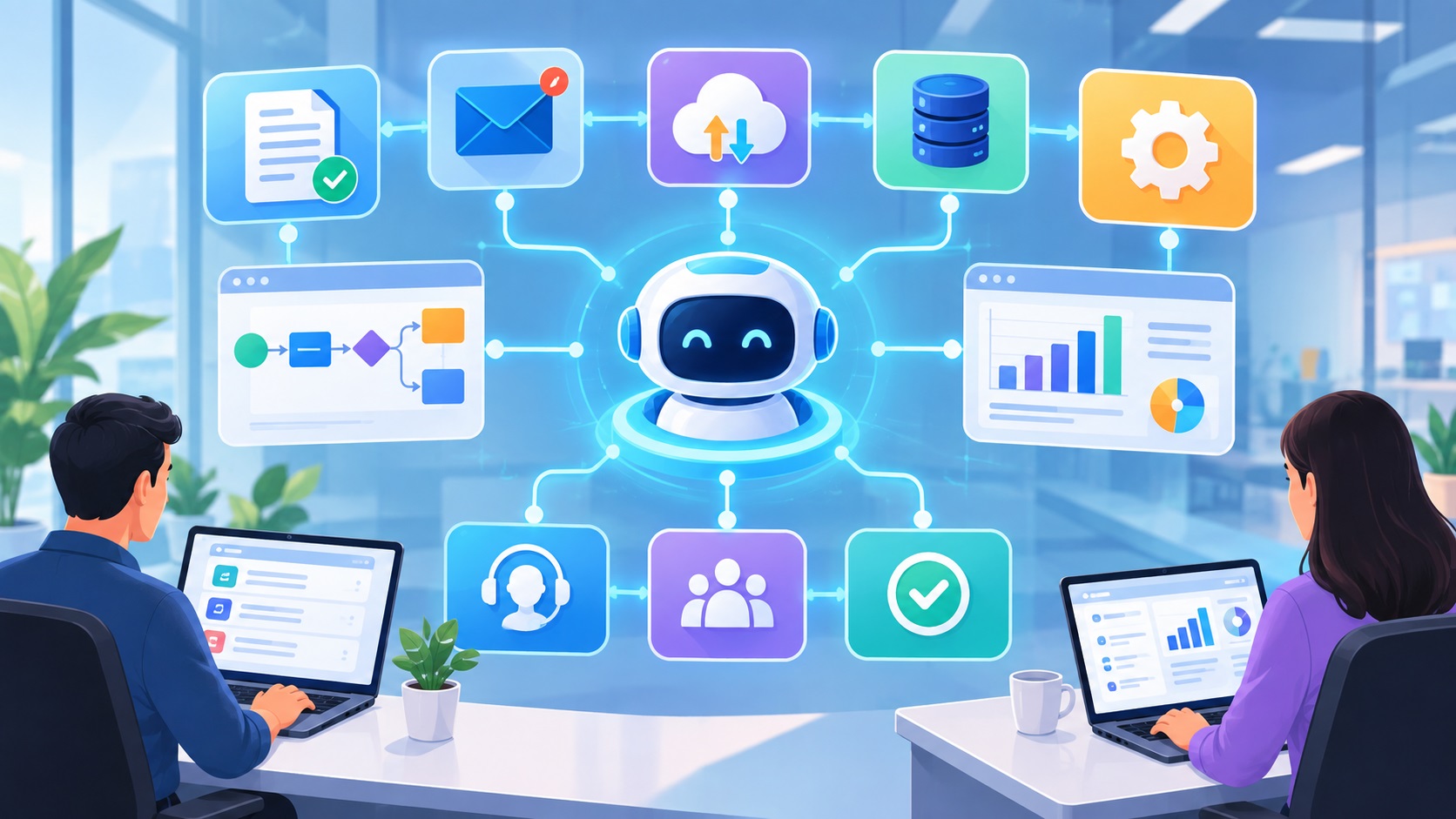
A unified AI platform combines multiple business functions into one centralized ecosystem. Instead of relying on separate tools for different tasks, businesses can manage everything through a single intelligent interface.
These platforms use AI to automate workflows, analyze data, and improve collaboration across departments. By bringing systems together, businesses gain a more connected and efficient operational structure.
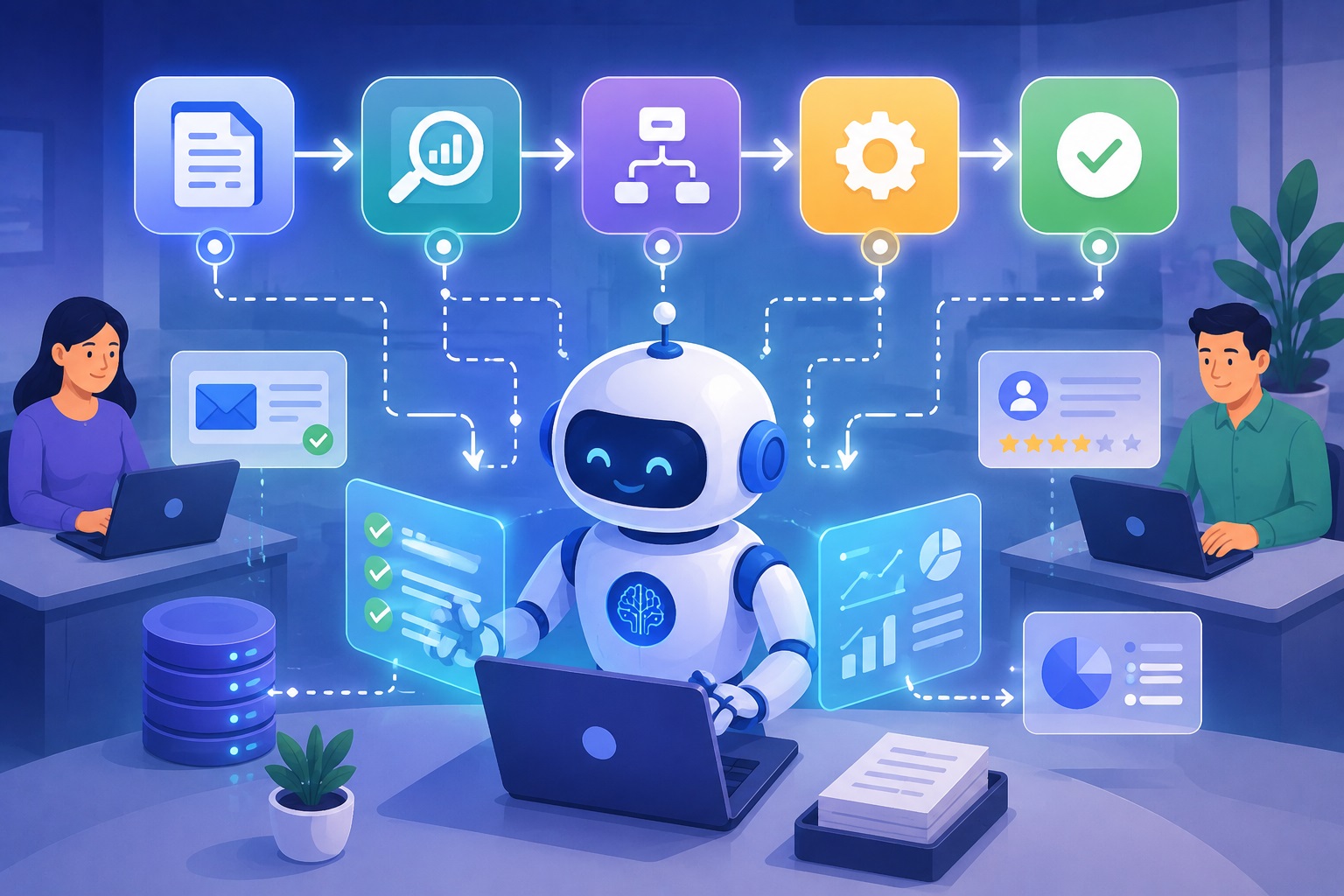
An integrated AI workflow system ensures that data flows seamlessly between teams and processes. This eliminates repetitive tasks, reduces manual work, and improves decision-making across the organization.
Reducing Costs Through Consolidation
One of the biggest reasons companies are adopting all-in-one AI business tools is cost reduction. Businesses often spend thousands of dollars each month on separate subscriptions, software licenses, and third-party integrations.
When organizations switch to a unified platform, they reduce the need for multiple vendors and overlapping tools. Instead of paying for five or ten different systems, businesses can manage operations through a single solution.
This not only lowers subscription costs but also reduces IT maintenance expenses, onboarding time, and software management complexity. Teams become more productive because they spend less time navigating disconnected systems.
AI Operations Platforms Improve Efficiency
Efficiency is another major advantage of using an AI operations platform. Traditional systems often require employees to manually move information between tools or repeat the same tasks across different platforms.
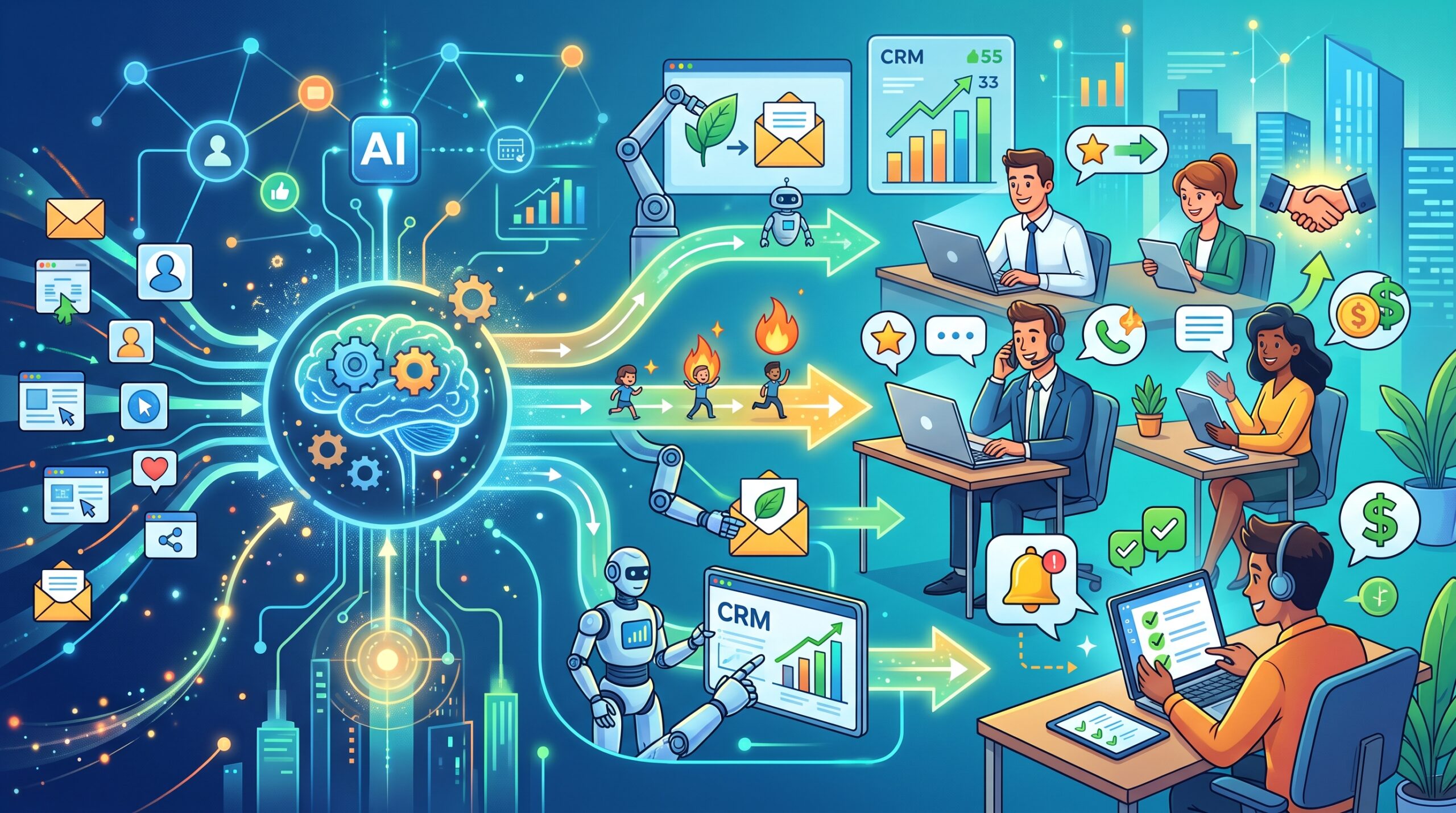
AI-powered platforms automate these workflows intelligently. For example, when a customer submits an inquiry, the system can automatically update the CRM, notify the support team, trigger a follow-up email, and generate analytics reports at the same time.
This level of automation reduces delays and improves overall workflow efficiency. Employees can focus on strategic work instead of repetitive administrative tasks.
Better Collaboration Across Teams
Disconnected tools often create silos within businesses. Departments operate independently, making collaboration difficult. A unified platform removes these barriers by centralizing information and workflows.
With an integrated AI workflow system, sales, marketing, customer support, and operations teams can access the same real-time data. This improves communication and allows teams to work more effectively together.
For example, sales representatives can instantly view customer support history before contacting a client, while marketing teams can use real customer feedback to improve campaigns. This creates a more connected and customer-focused organization.
Smarter Decision-Making with AI Insights
One of the most powerful benefits of a modern AI business platform is data intelligence. Unified platforms collect and analyze information from across the organization, providing businesses with a complete view of operations.
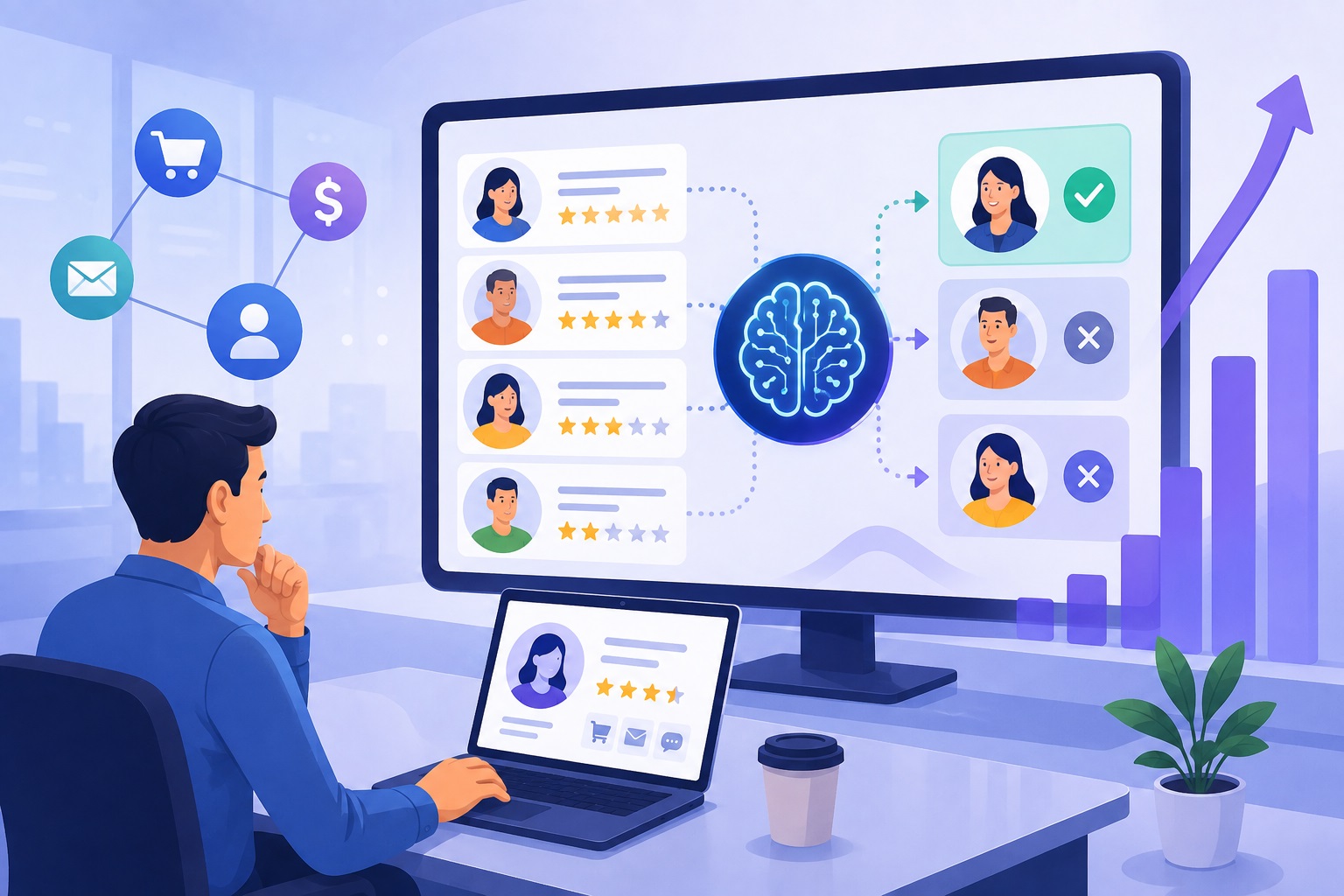
AI systems can identify trends, predict customer behavior, and recommend actions based on real-time insights. Instead of relying on fragmented reports from different systems, businesses gain centralized analytics that support faster and smarter decisions.
This helps organizations respond quickly to market changes, improve customer experiences, and optimize internal processes.
Scalability Without Complexity
As businesses grow, their technology stack often becomes harder to manage. Adding more tools can increase operational complexity and create integration challenges.
With unified AI automation software, companies can scale operations without constantly introducing new systems. AI platforms are designed to handle growing workloads while maintaining efficiency and consistency.
This flexibility allows businesses to expand their teams, customer base, and operations without creating unnecessary technical complications.
Why AI Integration Matters in Modern Business
Modern businesses rely heavily on digital systems, but disconnected technology can slow progress. This is why integration is becoming one of the most important aspects of business automation.
An AI operations platform ensures that systems work together instead of functioning separately. Automation, communication, analytics, and customer management become part of one connected ecosystem.
This creates smoother workflows, better customer experiences, and stronger operational control.
The Future of All-in-One AI Business Tools
The future of business technology is moving toward intelligent consolidation. Companies no longer want dozens of disconnected applications. They want platforms that combine automation, analytics, communication, and workflow management into one system.
As AI technology continues to evolve, all-in-one AI business tools will become even more advanced. Future platforms will offer deeper personalization, predictive automation, and smarter workflow optimization.
Businesses that adopt unified systems early will gain a significant competitive advantage by reducing costs and improving operational agility.
FAQs
What is a unified AI platform?
A unified AI platform is a centralized system that combines multiple business functions, such as automation, analytics, CRM, communication, and workflow management, into one AI-powered solution.
How can unified AI platforms reduce business costs?
Unified platforms reduce costs by replacing multiple software subscriptions, minimizing integration expenses, improving efficiency, and reducing the need for repetitive manual work.
Which teams benefit most from unified AI platforms?
Sales, marketing, customer support, operations, and management teams all benefit because unified systems improve collaboration, data access, and workflow efficiency across departments.
Can unified AI platforms integrate with existing tools?
Yes, most modern AI platforms are designed to integrate with existing business tools and systems, allowing companies to transition smoothly without disrupting operations.
Conclusion
Businesses are realizing that managing multiple disconnected tools is no longer sustainable. Through unified AI automation software, integrated AI workflow systems, and AI operations platforms, companies can streamline operations, reduce costs, and improve productivity.
Syncrux helps businesses streamline operations with intelligent AI-powered platforms designed for modern growth.
From all-in-one AI business tools to advanced workflow automation, Syncrux provides scalable solutions that improve efficiency and collaboration.
If you want to modernize your business with a smarter AI ecosystem, Syncrux offers the expertise and innovation you need to succeed.