Customer relationship management has come a long way from being a simple database of customer information. Traditional CRM systems were designed to store contacts, track interactions, and help sales teams stay organized. While these features remain valuable, modern businesses need much more than record-keeping. They need insights that help them anticipate customer behavior, identify opportunities, and make smarter decisions.
This is where predictive CRM is reshaping the future of sales. By combining artificial intelligence with customer data, businesses can move from reacting to events to anticipating them. Instead of wondering which lead is most likely to convert or when a customer might stop buying, AI provides data-driven predictions that help sales teams act with confidence.
As competition continues to increase across industries, organizations are investing in AI-powered CRM solutions that not only manage customer relationships but also guide business strategy.
The Evolution of CRM Systems
CRM platforms were originally designed to centralize customer information and improve communication between businesses and their customers. Sales representatives could track calls, emails, meetings, and purchase history in one location.
However, today’s customers generate enormous amounts of data through websites, social media, emails, online purchases, and customer support interactions. Managing this information manually is no longer practical.
Modern AI-powered CRM software transforms this data into meaningful insights. Rather than simply recording customer activities, AI analyzes patterns, identifies trends, and recommends actions that help businesses strengthen customer relationships and improve sales performance.
What Makes Predictive CRM Different?
Unlike traditional CRM systems that focus on historical data, predictive CRM uses artificial intelligence and machine learning to forecast future outcomes.
The system studies customer behavior, purchasing patterns, communication history, and engagement levels to estimate what customers are most likely to do next. These predictions help businesses prioritize leads, personalize customer interactions, and improve decision-making.
For example, predictive AI can identify which prospects are most likely to make a purchase, which customers may require additional support, or which accounts are at risk of leaving.
Instead of relying on assumptions, businesses can base their strategies on accurate, real-time insights.
Predictive AI Sales Forecasting Creates More Accurate Predictions
Sales forecasting has traditionally depended on manual estimates, spreadsheets, and personal experience. While experienced sales professionals often make informed predictions, human forecasting is still vulnerable to bias and incomplete information.
With AI sales forecasting, businesses gain access to data-driven projections based on real customer behavior. AI continuously analyzes sales activities, market trends, customer engagement, and historical performance to generate more reliable forecasts.
These insights help managers allocate resources effectively, set realistic sales targets, and prepare for future demand. Better forecasting also reduces uncertainty and supports stronger business planning.
Predictive Analytics CRM Improves Customer Relationships
Every customer interaction provides valuable information. Emails, website visits, product purchases, and support conversations all reveal patterns that help businesses understand customer needs.
Using predictive analytics CRM, companies can identify these patterns and deliver more personalized experiences. Instead of sending the same message to every customer, businesses can tailor their communication to individual preferences and predicted behavior.
For example, if AI recognizes that a customer regularly purchases a product every three months, the CRM can automatically remind the sales team to reach out before the next buying cycle.
This proactive approach strengthens customer relationships and increases customer satisfaction.
Smarter Lead Prioritization
Not every lead has the same potential value. Some prospects are ready to buy immediately, while others may need months of nurturing.
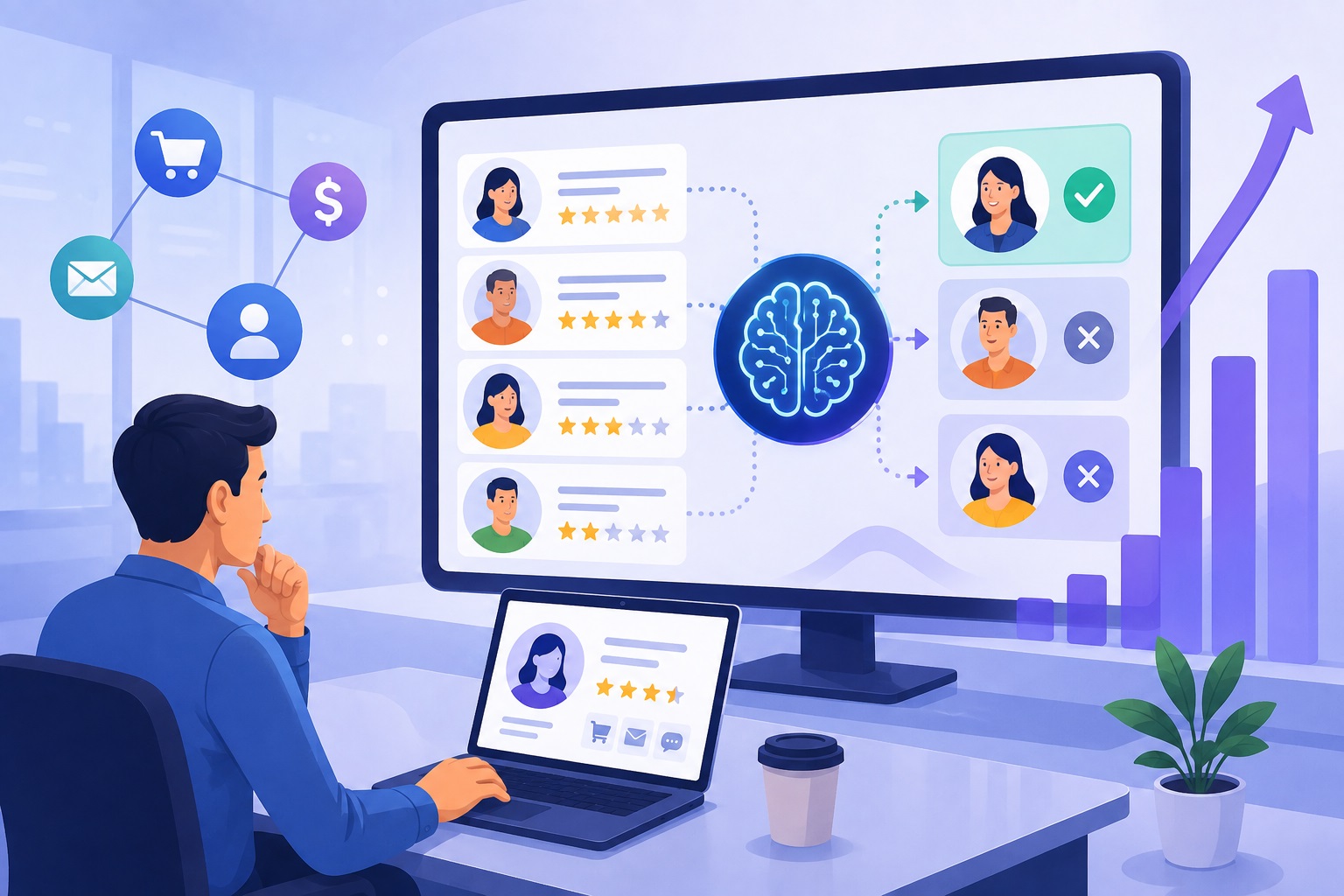
An intelligent CRM platform helps sales teams identify high-priority opportunities by analyzing engagement levels, buying signals, demographics, and previous interactions.
Rather than spending equal time on every prospect, sales representatives can focus their efforts where they are most likely to achieve results. This improves productivity while increasing conversion rates.
Lead prioritization powered by AI also reduces missed opportunities by ensuring promising prospects receive timely attention.
Improving Sales Productivity
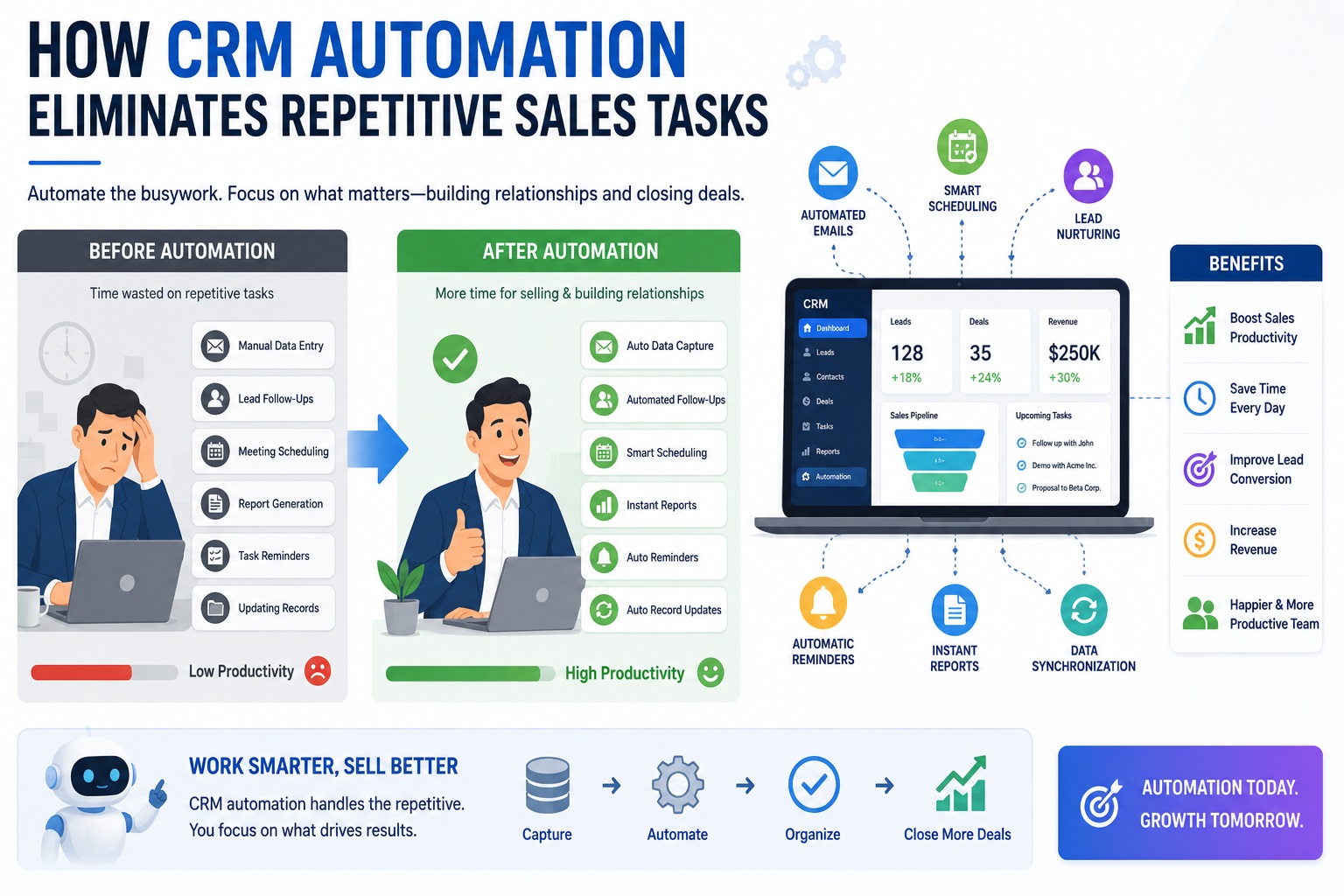
Sales professionals often spend a significant portion of their day updating CRM records, scheduling follow-ups, and organizing customer information.
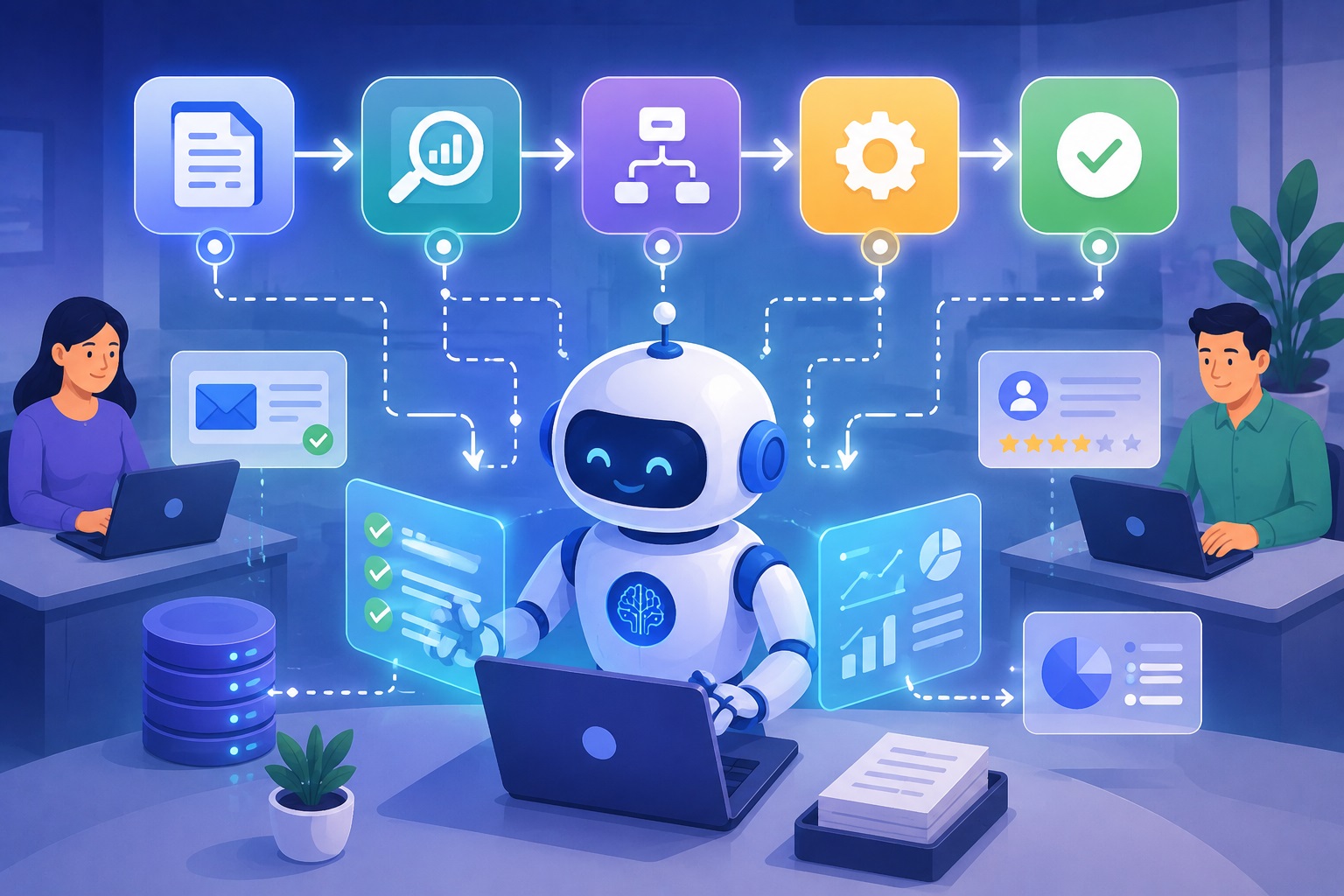
Modern AI-powered CRM software automates many of these repetitive tasks. Customer interactions can be logged automatically, reminders generated, and follow-up recommendations provided without manual effort.
This allows sales teams to spend more time building relationships and closing deals rather than managing administrative work.
Automation not only improves efficiency but also reduces the likelihood of human error.
Better Decision-Making Through Data
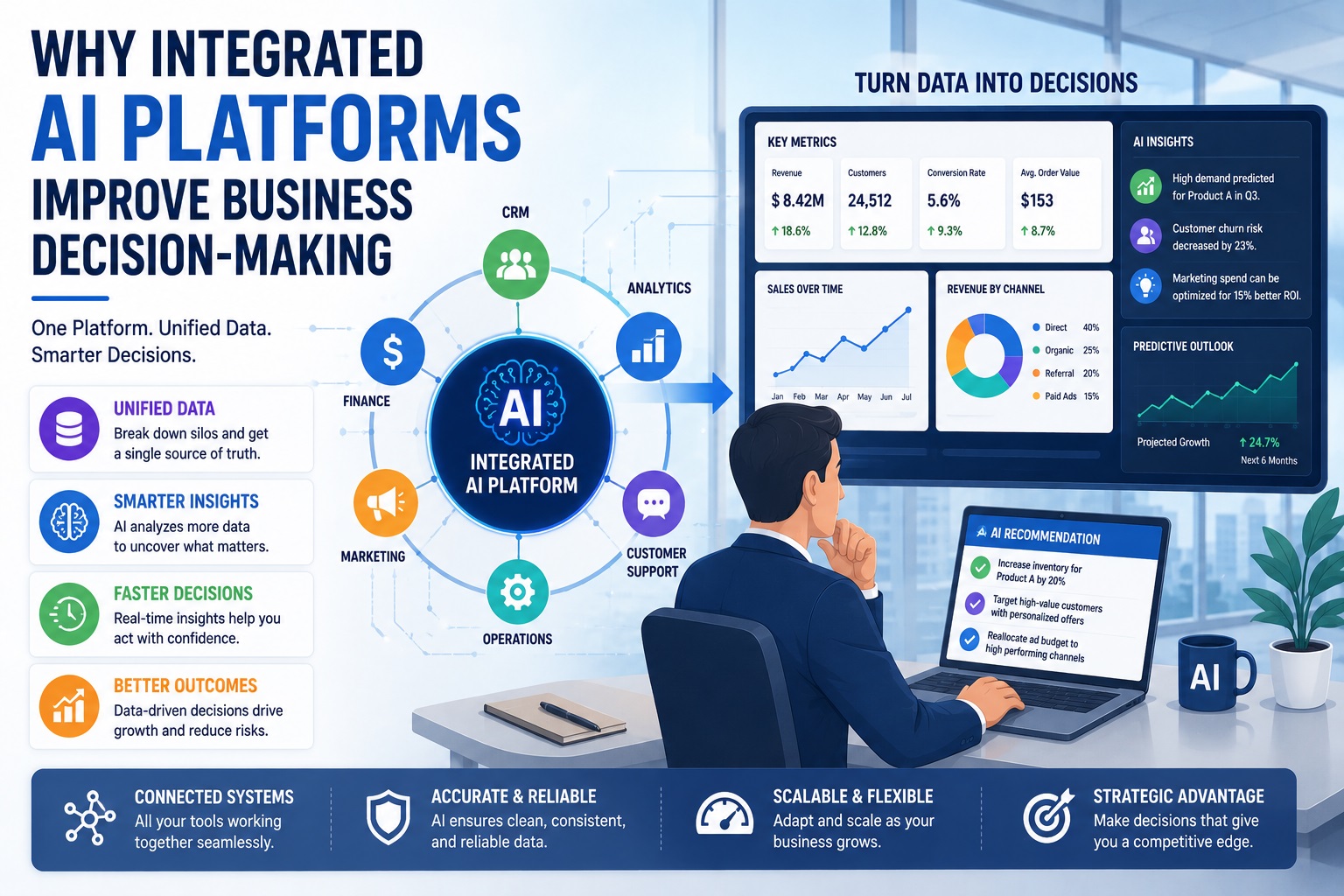
Business leaders depend on accurate information to make strategic decisions. Traditional reports often provide historical insights, but predictive AI offers something even more valuable: future possibilities.
With predictive analytics CRM, organizations can identify emerging sales trends, detect changes in customer behavior, and evaluate potential risks before they become significant problems.
Managers gain a clearer understanding of pipeline health, revenue opportunities, and customer retention trends. This enables faster, more informed decision-making throughout the organization.
Rather than reacting to challenges after they occur, businesses can take proactive action based on AI-generated insights.
Why Businesses Are Investing in Predictive AI CRM Platforms
Companies across industries are embracing AI because customer expectations continue to rise. Buyers expect personalized experiences, faster responses, and proactive communication.
An intelligent CRM platform enables businesses to meet these expectations while improving operational efficiency.
Marketing teams can create more targeted campaigns. Sales teams receive better lead recommendations. Customer service representatives gain deeper visibility into customer history.
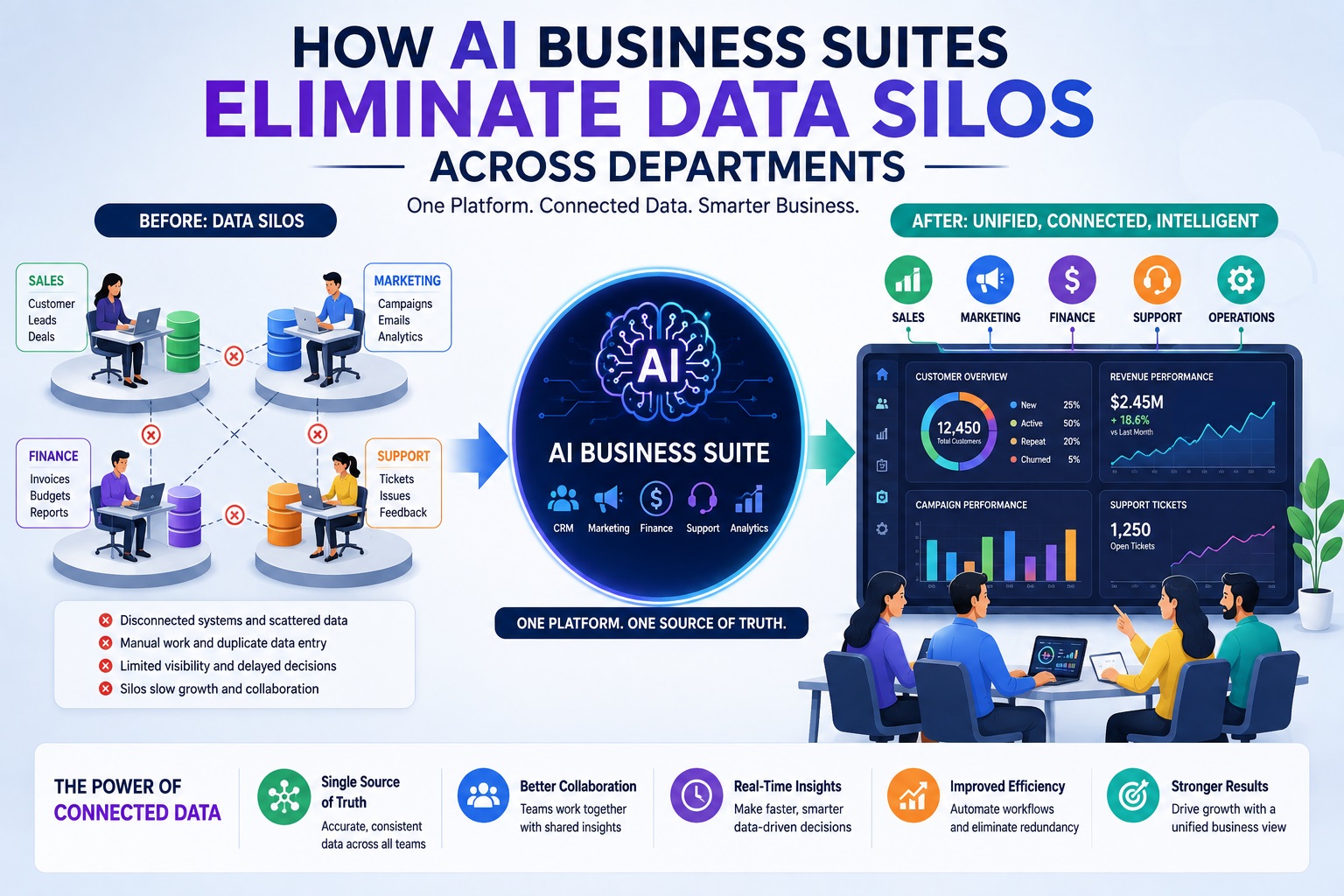
Because every department works with the same intelligent data, collaboration improves across the organization.
This unified approach helps businesses deliver a consistent customer experience from the first interaction to long-term customer retention.
The Future of AI-Powered CRM and Predictive AI
Artificial intelligence is transforming CRM from a record-keeping tool into a strategic business partner. Future CRM systems will become even more predictive, conversational, and autonomous.
As AI technology advances, businesses will increasingly rely on intelligent recommendations, automated workflows, and predictive insights to guide everyday operations.
Organizations that invest in AI sales forecasting and predictive technologies today will be better prepared to compete in tomorrow’s marketplace.
Rather than simply managing customer relationships, future CRM platforms will actively help businesses grow them.
FAQs
What is predictive AI in CRM software?
Predictive AI in CRM software uses AI to analyze customer data, identify patterns, and forecast future behaviors, such as purchase likelihood, customer retention, and sales opportunities.
How does predictive AI improve sales performance?
Predictive AI helps sales teams prioritize high-quality leads, personalize customer interactions, improve forecasting accuracy, and automate routine tasks, allowing representatives to focus on closing more deals.
What CRM features commonly use predictive AI?
Common features include lead scoring, sales forecasting, customer churn prediction, personalized recommendations, automated follow-ups, and predictive analytics dashboards.
Is predictive AI suitable for small and mid-sized businesses?
Yes. Many modern CRM platforms offer scalable predictive AI features that help small and mid-sized businesses improve sales efficiency, customer engagement, and decision-making without requiring large teams.
Conclusion
The future of sales belongs to businesses that make smarter decisions with data. By adopting predictive CRM, AI sales forecasting, and predictive analytics CRM, organizations can improve customer relationships, strengthen forecasting accuracy, and increase revenue.
Syncrux delivers innovative AI-powered CRM software that helps businesses automate workflows, generate intelligent insights, and drive smarter sales strategies.
With an intelligent CRM platform built for modern businesses, Syncrux empowers teams to improve productivity, customer engagement, and long-term growth.
If you’re ready to transform your sales strategy with AI, Syncrux provides the expertise and technology to help you stay ahead.