Winning a new customer is an important milestone, but the first sale is only the beginning of the relationship. For many businesses, repeat customers are among their most valuable sources of long-term revenue. They already know the brand, understand the product or service, and may be more likely to buy again when the experience stays positive.
The challenge is knowing which customers are ready to buy again and which ones may be losing interest. Traditionally, businesses relied on sales teams to review customer records, purchase history, and personal interactions to make those decisions. Today, AI CRM software can analyze large amounts of customer data and identify patterns that would be difficult to spot manually.
With predictive technology, businesses can better understand customer behavior, identify potential repeat buyers, and act at the right time. This makes customer relationship management more proactive rather than simply reactive.
How AI CRM Software Identifies Repeat Purchase Opportunities
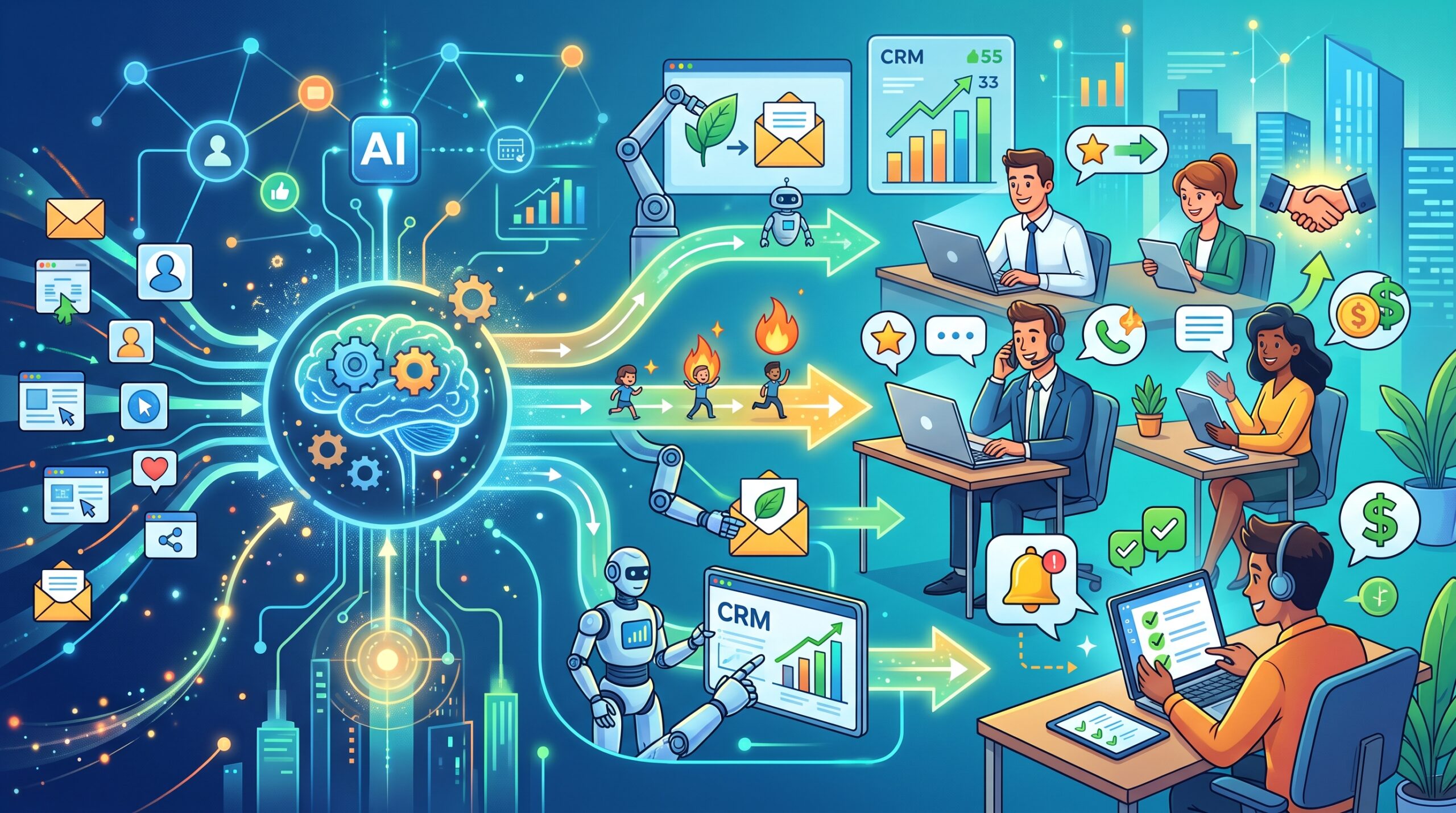
Every customer interaction creates data. Purchases, website visits, email engagement, support conversations, product usage, and past communication can all reveal something about a customer’s relationship with a business.
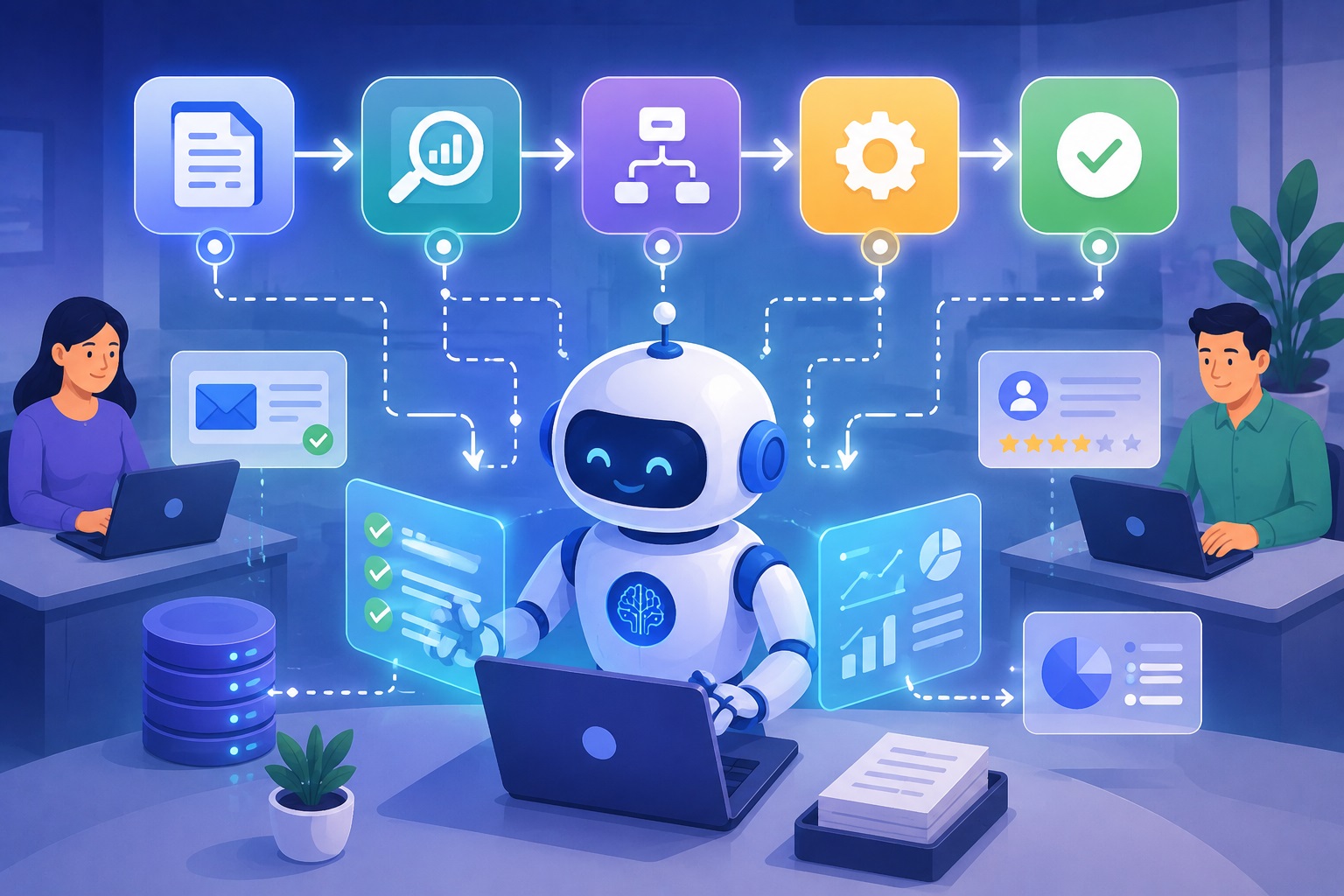
AI CRM software brings these signals together and analyzes them to identify patterns associated with repeat purchases. For example, AI may recognize that customers who purchase a specific product often return within a certain period to buy related items.
The system can also detect changes in engagement. A customer who frequently opens emails, visits product pages, and interacts with promotions may show stronger purchase intent than someone who has become inactive.
Instead of expecting sales teams to manually review every customer record, AI helps prioritize the customers who may be most likely to buy again.
The Role of Predictive Customer Analytics
Predictive customer analytics uses historical and current data to estimate what customers may do next. It does not simply describe past activity. It looks for patterns that can help businesses make informed predictions about future behavior.
In a CRM environment, predictive analytics may examine how often customers buy, how much they spend, what products they prefer, and how they respond to marketing campaigns.
For instance, a customer who typically makes a purchase every three months may become a priority when that period approaches. Another customer may have previously responded well to a particular type of offer, making similar outreach more relevant.
This allows businesses to move away from sending the same message to every customer and toward more timely, personalized engagement.
Predictive CRM Software Makes Customer Data More Useful
Most businesses already collect a significant amount of customer information. The problem is that data alone does not always provide clear answers.
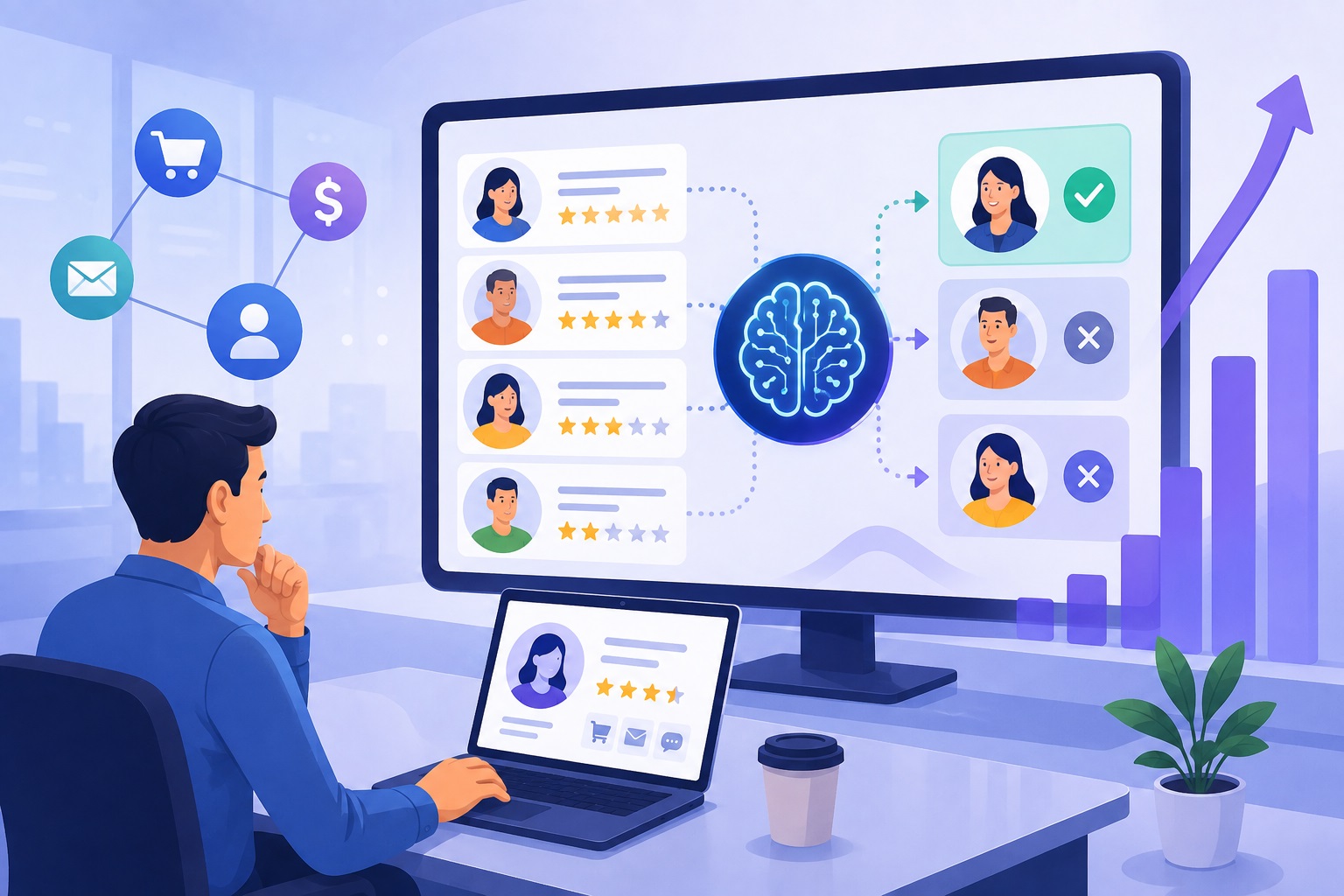
Predictive CRM software helps transform raw customer data into practical insights. Instead of looking at a long list of contacts and trying to determine who deserves attention, sales and customer success teams can use predictive scores and recommendations to prioritize their efforts.
This can be especially useful for businesses with large customer bases. Manually reviewing thousands of accounts is not realistic, but AI can continuously analyze customer signals in the background.
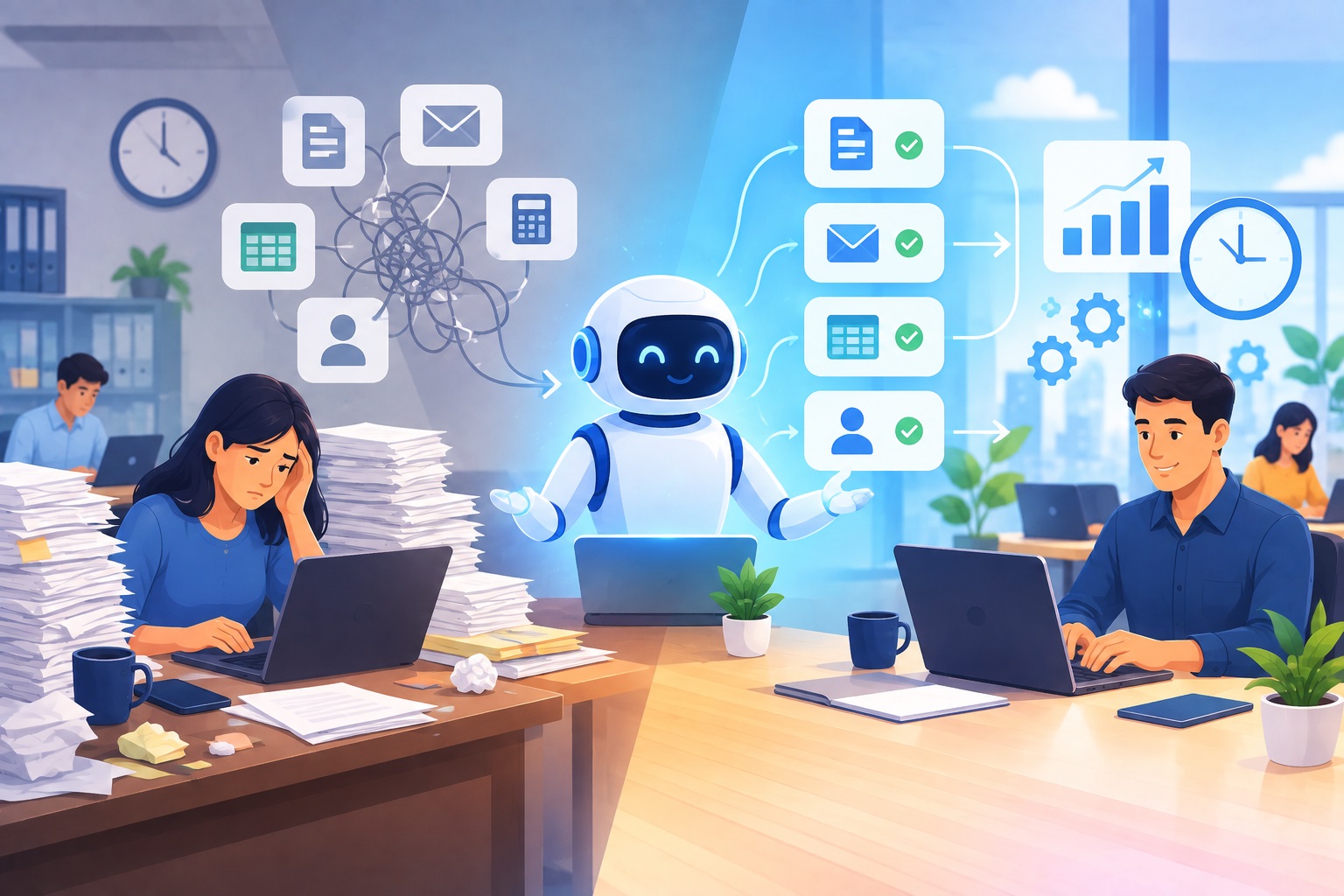
As a result, teams can focus more of their time on meaningful conversations and less on sorting through data.
AI Customer Behavior Analysis Reveals Important Patterns
Customer decisions are rarely based on a single action. A person may visit a website several times, read emails, compare products, and contact support before making another purchase.
AI customer behavior analysis looks at these interactions together. This broader view can help businesses understand the signals that indicate stronger purchase intent.
For example, AI may identify customers who have recently returned to the website after months of inactivity. It may recognize increased engagement with specific products or detect patterns similar to those of previous repeat buyers.
These insights do not guarantee that a customer will purchase again. However, they give businesses a stronger basis for deciding where to focus their sales and retention efforts.
Personalization Can Encourage Customers to Return
Customers are more likely to respond when communication feels relevant to their needs.
An intelligent CRM platform can use AI insights to support more personalized outreach. Rather than sending a general promotion to an entire customer database, businesses can tailor messages based on purchase history, preferences, and predicted behavior.
A customer who frequently buys one type of product may receive recommendations for related items. Someone who has not purchased recently may receive a timely reminder or special offer.
Personalization is not simply about using a customer’s name in an email. It means using available insights to make communication more useful and relevant.
Customer Purchase Prediction AI Helps Sales Teams Prioritize
Sales teams often face the difficult question of who to contact first.
Customer purchase prediction AI helps answer that question by identifying customers who may have a higher likelihood of making another purchase. AI can analyze engagement, purchase frequency, spending patterns, and other relevant signals to help prioritize outreach.
This does not replace the experience of a skilled salesperson. Instead, it gives sales professionals a clearer starting point.
A representative can focus on high-potential opportunities while still using personal judgment and relationship knowledge to guide conversations. This combination of technology and human expertise can make sales efforts more efficient.
AI Customer Retention Software Can Identify At-Risk Customers
Predicting who is likely to buy again is only one part of the equation. Businesses also need to recognize customers who may be drifting away.
AI customer retention software can monitor changes in behavior that may indicate declining engagement. A customer who suddenly stops opening emails, reduces product usage, or has unresolved support concerns may require additional attention.
Early detection allows businesses to act before the relationship is lost. A customer success team may reach out, offer assistance, or address an unresolved concern.
This proactive approach can be more effective than waiting until a customer has already decided to move to a competitor.
Better Timing Leads to Better Customer Engagement
Timing can have a major influence on repeat sales. Contacting a customer too early may feel irrelevant, while contacting them too late may mean missing the opportunity entirely.
AI can help identify the moments when customers are most likely to be receptive to communication.
For example, if historical data shows that customers typically reorder a product after a specific period, the CRM can recommend outreach at the appropriate time. If a customer suddenly demonstrates renewed interest through website activity, the system can alert the sales team.
This helps businesses communicate when the customer is more likely to find the message useful.
An Intelligent CRM Platform Connects Sales and Retention
Repeat purchases are not solely the responsibility of the sales department. Customer support, marketing, and customer success teams all influence whether a customer chooses to return.
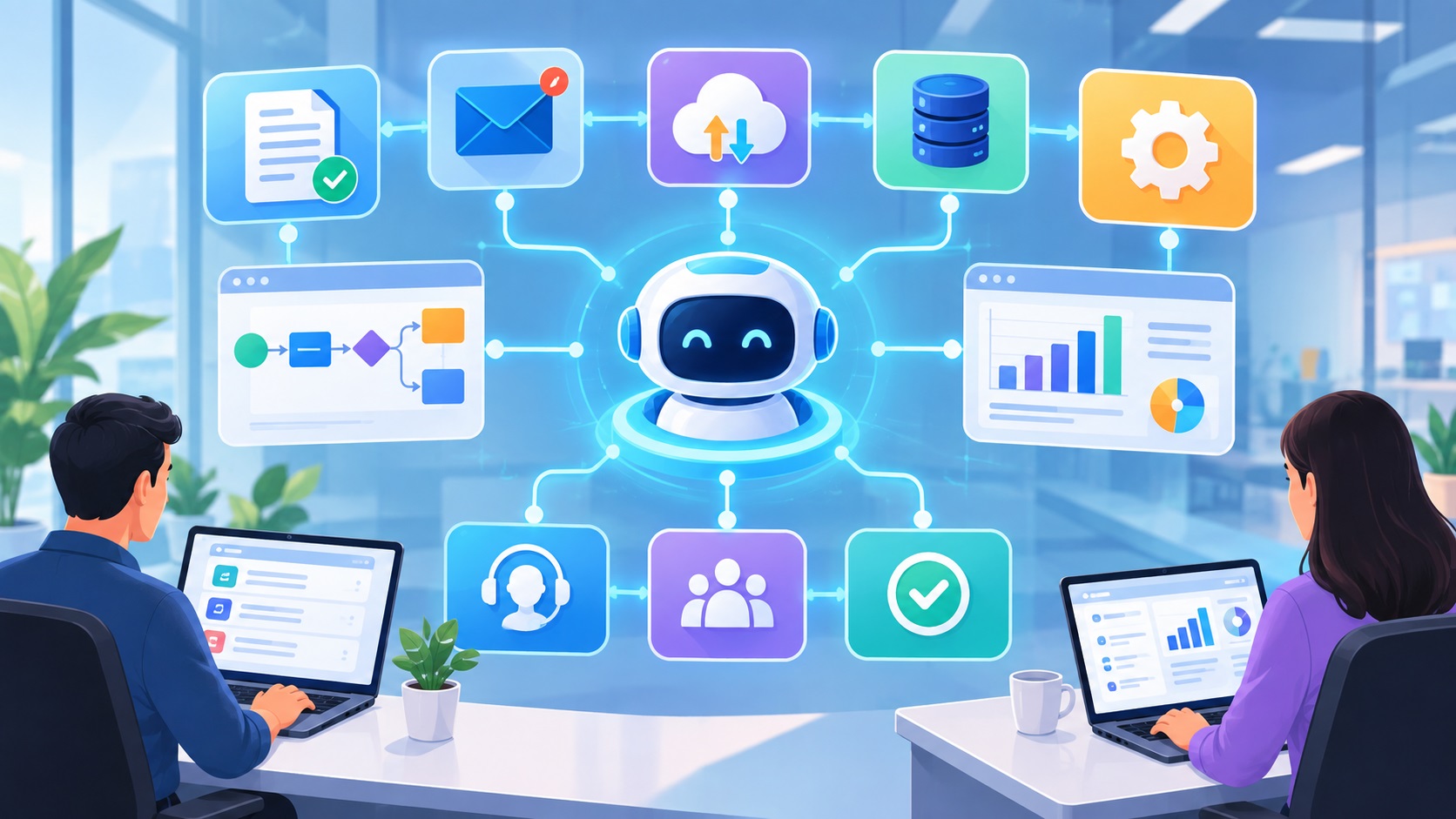
An intelligent CRM platform gives these teams access to a more complete view of the customer relationship. When information is connected, businesses can coordinate their efforts more effectively.
Marketing can create relevant campaigns based on AI insights, sales can prioritize customers with strong purchase potential, and customer success teams can identify those who may need additional support.
This connected approach helps create a more consistent customer experience.
The Future of AI-Powered Customer Relationships
As artificial intelligence continues to develop, CRM systems will become increasingly proactive.
Future platforms may offer more accurate predictions, real-time recommendations, and automated actions based on changing customer behavior. Businesses will be able to respond faster to opportunities and potential retention risks.
However, technology alone will not build customer loyalty. Customers still value trust, helpful service, and genuine relationships.
The strongest results will come from combining AI-driven insights with human understanding. Businesses that use AI to support better decisions, rather than replacing meaningful customer interactions, will be in a stronger position to increase repeat sales.
FAQs
How does AI CRM software predict repeat purchases?
AI CRM software analyzes customer data such as purchase history, website activity, engagement, product preferences, and previous interactions to identify patterns associated with repeat buying behavior.
What is predictive customer analytics in CRM?
Predictive customer analytics uses historical and current customer data to identify trends and estimate future actions, such as the likelihood of a repeat purchase or a potential decline in engagement.
How can AI CRM help businesses increase repeat sales?
AI CRM can help businesses identify high-potential customers, personalize communication, recommend the right time for outreach, and support sales teams with insights that make follow-ups more relevant.
Can AI CRM identify customers who may stop buying?
Yes. AI can identify changes in customer behavior, such as declining engagement, reduced purchases, or unresolved support issues, that may indicate a customer is at risk of leaving.
Conclusion
Predicting repeat purchases helps businesses move from reactive selling to smarter, more timely customer engagement. With AI CRM software, predictive CRM software, and AI customer retention software, companies can better understand customer behavior and focus on relationships with the strongest potential for long-term value.
Syncrux provides intelligent CRM solutions that help businesses turn customer data into meaningful insights and stronger relationships.
Through predictive customer analytics and AI-powered automation, Syncrux helps teams identify buying opportunities and respond to changing customer needs.
With Syncrux, businesses can build a smarter approach to retention, repeat sales, and long-term customer growth.