Business decisions are only as good as the information behind them. Yet many organizations still make important decisions using data scattered across spreadsheets, CRM systems, communication tools, analytics platforms, and separate departmental software. When information is fragmented, leaders may spend more time searching for answers than actually acting on them.
Integrated AI platforms are changing that approach. By connecting business data, workflows, analytics, and automation in one environment, these platforms give organizations a clearer view of what is happening across the business. Artificial intelligence can then turn that information into insights, predictions, and recommendations that support faster and more informed decisions.
For companies operating in competitive markets, this combination of centralized data and AI can make decision-making more practical, responsive, and strategic.
What Is an Integrated AI Platform?
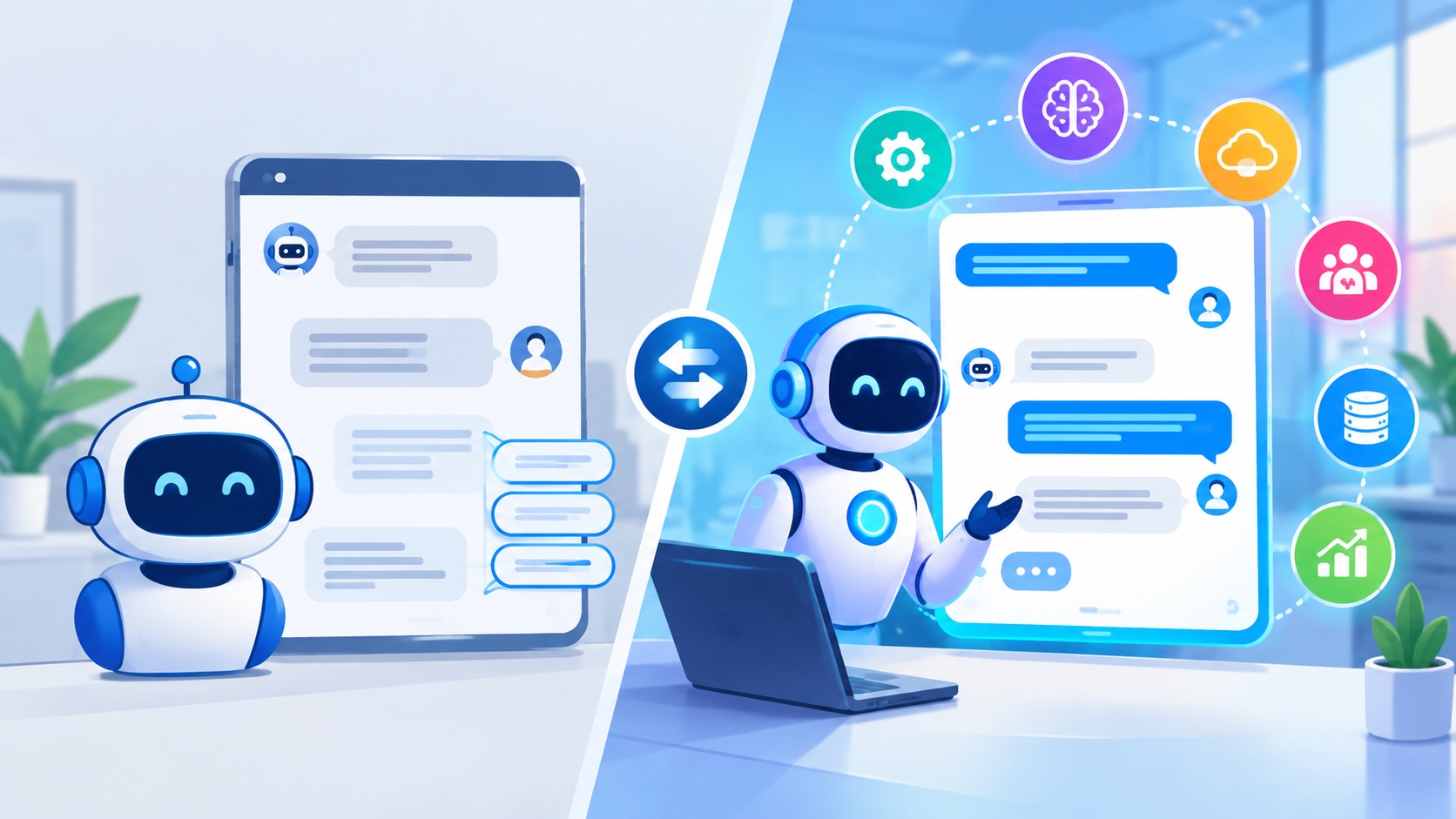
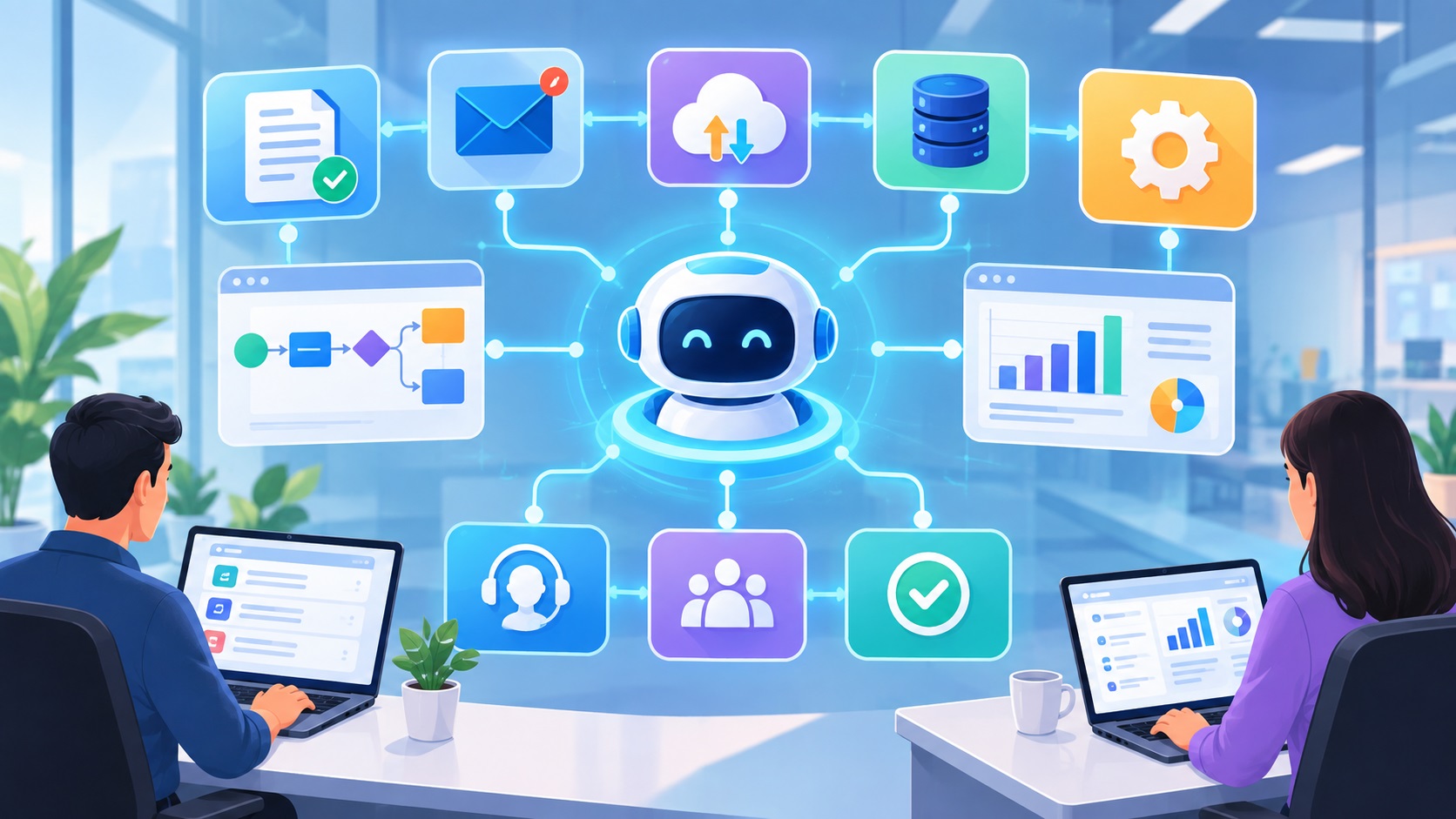
An integrated AI platform brings multiple business functions together rather than requiring teams to work across disconnected systems. Depending on the platform, it may combine customer relationship management, analytics, workflow automation, communication, reporting, and artificial intelligence.
The biggest advantage is connectivity. Instead of analyzing information in isolation, AI can work with data from different areas of the organization.
For example, sales data can be considered alongside customer interactions, marketing activity, support requests, and operational information. This broader context allows businesses to understand not just what happened, but potentially why it happened and what could happen next.
Centralized Data Creates a Clearer Business Picture
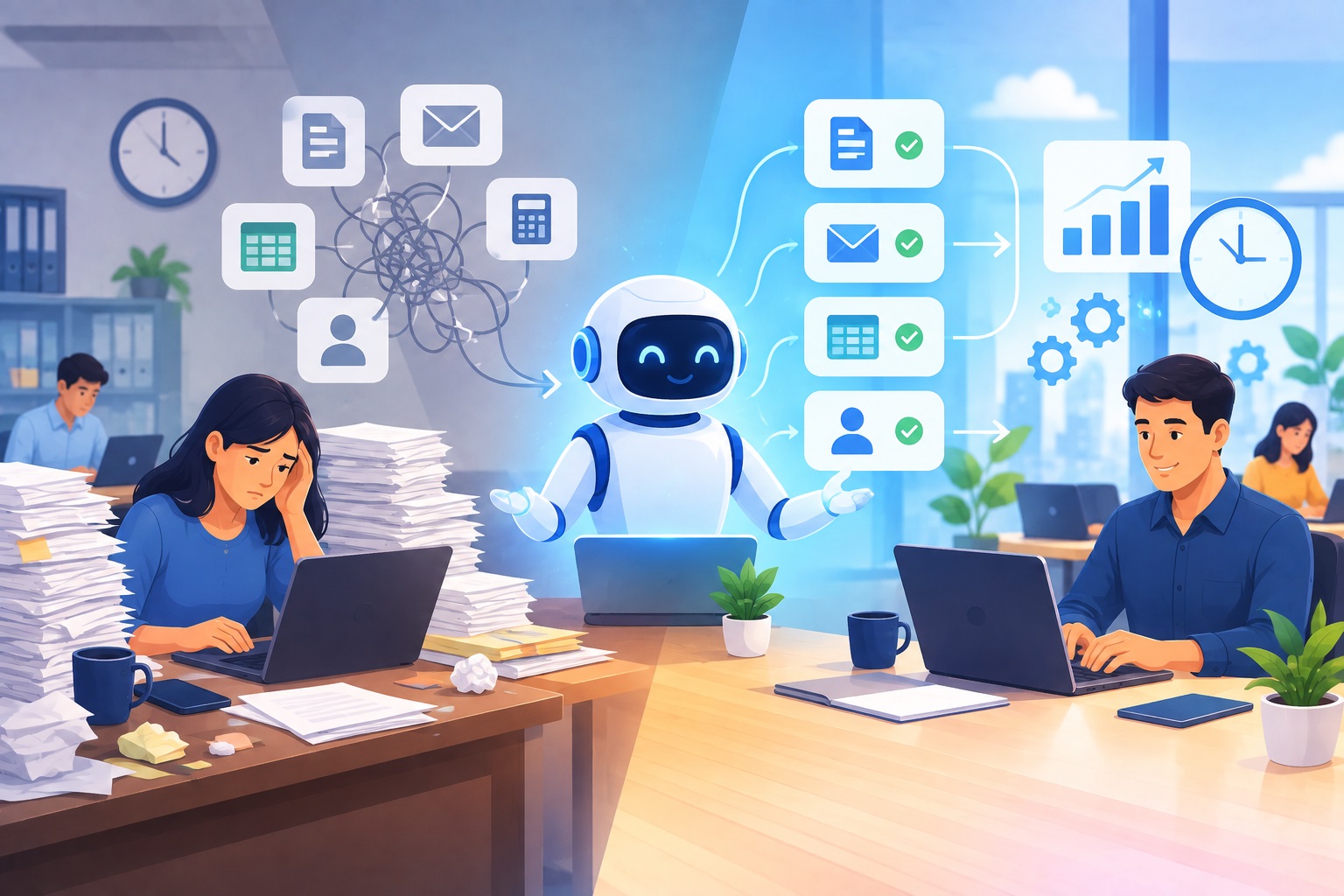
One of the biggest obstacles to effective decision-making is fragmented information. A sales manager may have one version of customer data while the finance team has another. Marketing may track campaign performance separately, and executives may rely on manually prepared reports.
An AI business intelligence platform can bring these data sources together into a centralized environment. Instead of relying on disconnected reports, decision-makers can access information from across the organization.
Centralization also reduces the risk of inconsistent information. When teams work from shared data, everyone has a more consistent understanding of business performance.
This creates a stronger foundation for both everyday decisions and long-term planning.
AI Turns Business Data Into Actionable Insights
Having large amounts of data does not automatically make a business more intelligent. The real value comes from understanding what that data means.
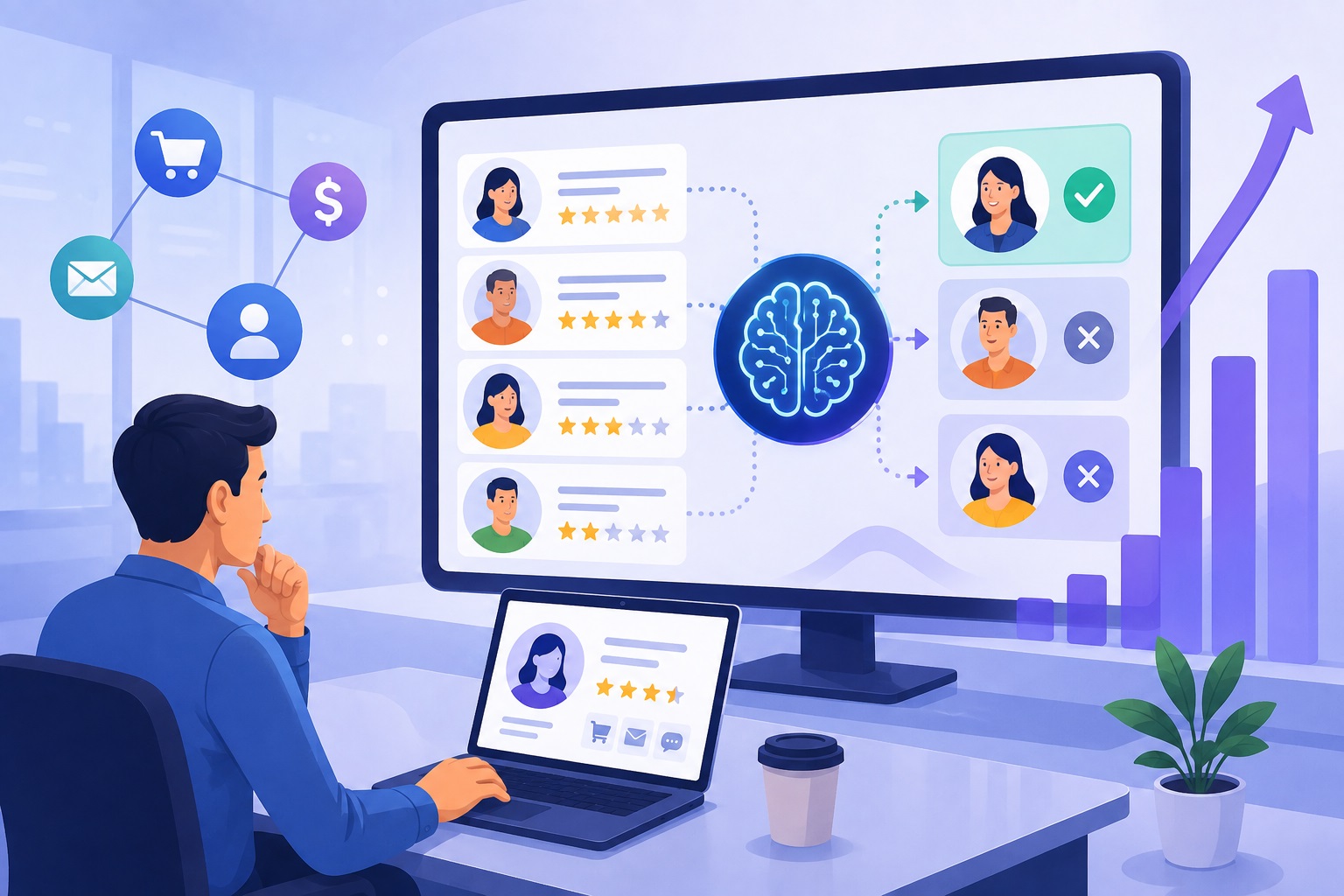
AI can analyze large datasets far faster than a person manually reviewing spreadsheets and reports. It can identify trends, unusual changes, recurring patterns, and relationships between different variables.
An AI decision support software solution can use these insights to help leaders evaluate potential actions. Instead of simply presenting numbers, AI can highlight important changes and provide context that makes the information easier to interpret.
This allows business leaders to spend less time collecting information and more time deciding what to do with it.
Faster Decisions Without Sacrificing Accuracy
Timing matters in business. Waiting weeks for reports can mean missing opportunities or allowing small problems to become larger ones.
Integrated AI platforms provide access to information in real time or near real time, depending on the systems involved. This enables managers to respond more quickly when customer behavior changes, sales performance drops, or operational problems emerge.
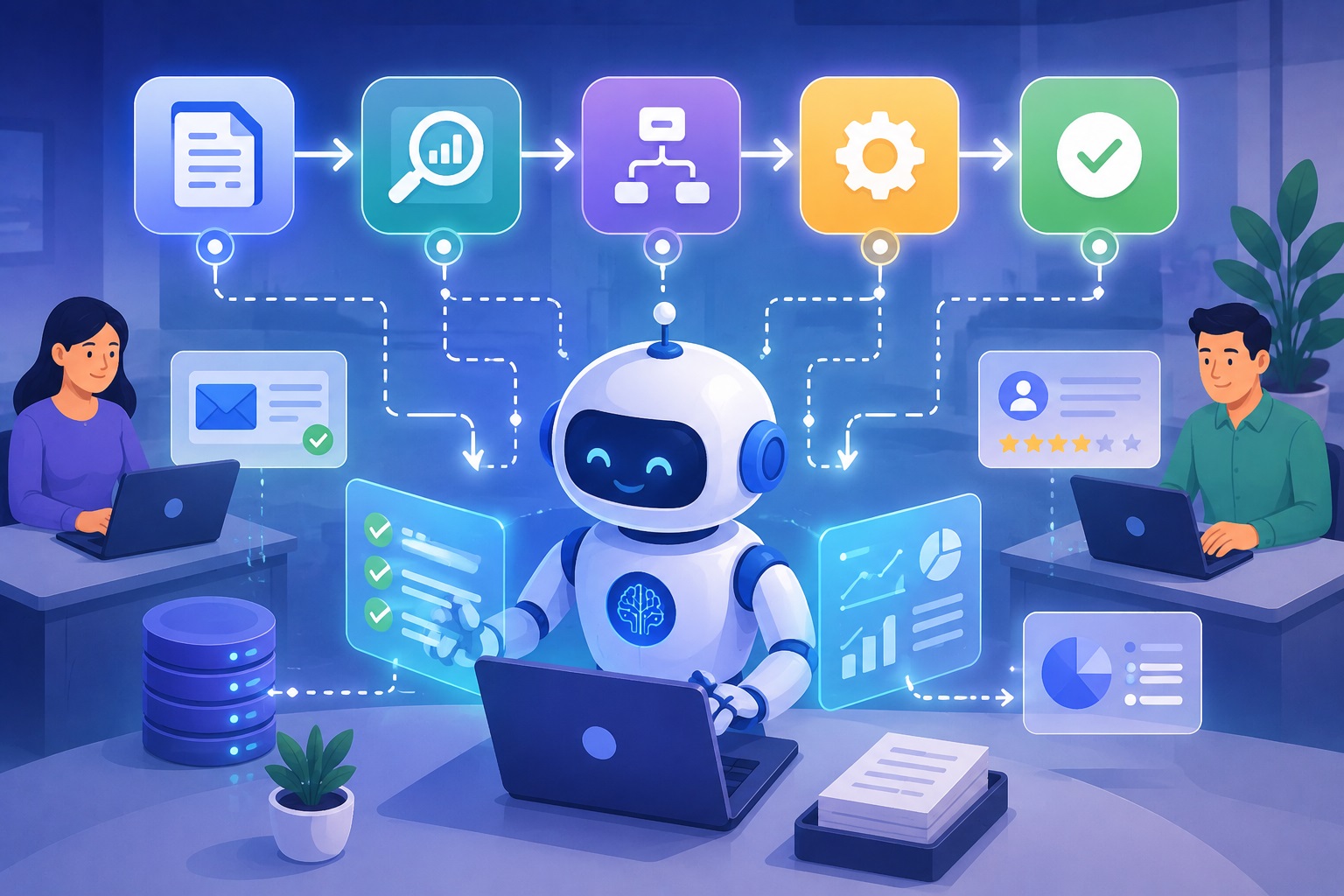
A business automation platform can take this a step further by connecting insights to actions. For instance, if certain conditions are met, the system may automatically trigger a notification, assign a task, update a record, or initiate a workflow.
This reduces the gap between identifying a problem and responding to it.
Improving Forecasting and Business Planning
Business leaders constantly make decisions about the future. They need to estimate demand, anticipate revenue, plan staffing, manage inventory, and allocate resources.
Traditional forecasting often depends heavily on historical reports and manual analysis. AI can add another layer by identifying patterns in historical and current data and using them to support predictions.
An AI business intelligence platform can help organizations evaluate trends and develop more informed forecasts. While AI predictions should not replace human judgment, they can provide useful evidence for planning.
Better forecasting allows businesses to prepare for different scenarios instead of simply reacting when conditions change.
Connecting Automation With Decision-Making
Decision-making becomes even more powerful when intelligence is connected directly to business workflows.
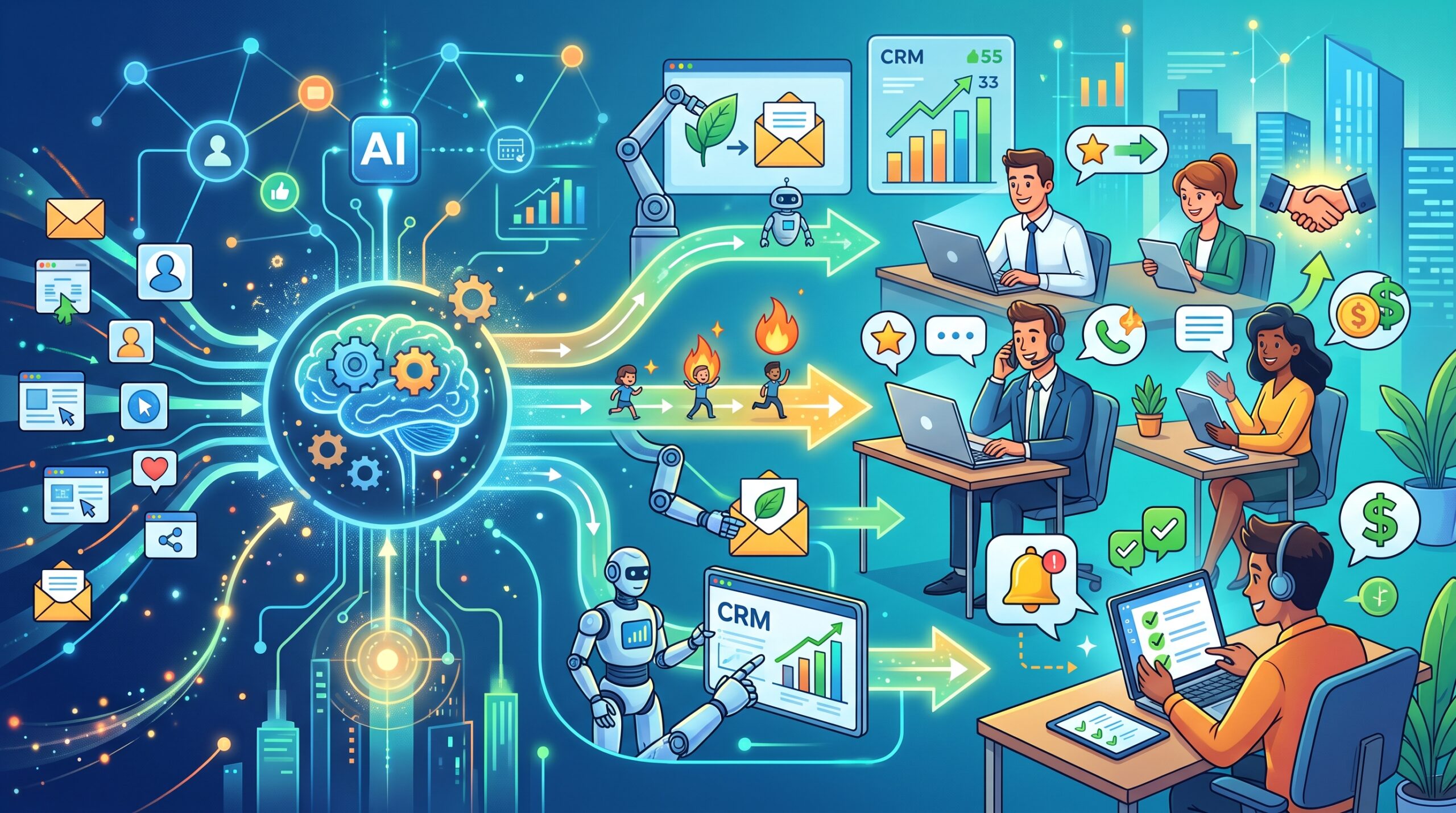
An AI workflow platform can connect insights with specific processes. If AI identifies a high-value sales opportunity, the platform can help prioritize it for the sales team. If customer engagement begins to decline, it can trigger a retention workflow. If an operational metric falls outside an expected range, it can alert the appropriate manager.
This creates a continuous cycle in which data informs decisions, decisions trigger actions, and new actions generate additional data.
The business becomes more responsive without requiring employees to manually coordinate every step.
Supporting Different Departments
Integrated AI platforms are not limited to executives. Different departments can use shared intelligence to improve their own decisions.
Sales teams can identify promising opportunities and prioritize leads. Marketing teams can understand campaign performance and customer behavior. Customer support can recognize recurring issues and identify customers who may need additional attention.
Finance teams can use business data to monitor performance and support planning, while operations teams can identify inefficiencies and improve resource allocation.
Because the underlying information is connected, departments can make decisions with greater awareness of what other teams are experiencing.
Enterprise AI Software Brings Intelligence Into Daily Operations
For larger organizations, managing AI across disconnected applications can create another layer of complexity.
Enterprise AI software can provide a centralized environment for deploying AI capabilities across multiple business functions. This allows organizations to establish more consistent processes while maintaining appropriate access controls and governance.
Instead of each department experimenting with unrelated AI tools, companies can develop a more coordinated approach to artificial intelligence.
This can also make it easier to scale successful AI workflows throughout the organization.
Reducing Decision-Making Based on Guesswork
Every business leader has experienced situations where decisions had to be made with incomplete information. Sometimes there simply isn’t enough time to gather everything manually.
Integrated AI platforms cannot eliminate uncertainty, but they can reduce unnecessary guesswork by bringing relevant information together and analyzing it quickly.
An AI decision support software system can highlight trends, compare information, and provide recommendations that help leaders evaluate their options.
Human judgment remains essential. AI should support decision-makers rather than make every important decision independently.
The Human Side of AI-Powered Decisions
The best AI strategies do not remove people from the decision-making process. Instead, they give employees better tools to understand complex situations.
A sales manager still understands customer relationships. A financial leader still understands business priorities. An operations manager still knows the realities of day-to-day processes.
AI adds another perspective by processing large amounts of information and identifying patterns that may be difficult to spot manually.
When human expertise and AI insights work together, organizations can make decisions with greater speed and context.
FAQs
How do integrated AI platforms improve business decision-making?
They connect data from different business functions, analyze information using AI, identify patterns, and provide insights that help leaders make faster and more informed decisions.
Why is centralized business data important for AI-powered decisions?
Centralized data gives AI a more complete view of the organization. This helps reduce information gaps, improve consistency, and provide insights based on a broader range of business activity.
Which business teams benefit from integrated AI platforms?
Sales, marketing, finance, customer support, operations, and executive teams can all benefit from shared data, intelligent insights, and automated workflows.
Can integrated AI platforms improve forecasting and business planning?
Yes. AI can analyze historical and current data to identify trends and support forecasts, helping businesses plan resources, evaluate scenarios, and make more informed strategic decisions.
Conclusion
Integrated AI platforms are changing how organizations turn information into action. By combining an AI business intelligence platform, AI decision support software, and an AI workflow platform, businesses can connect data, insights, and processes in one environment.
Syncrux brings AI-powered intelligence, automation, and connected workflows together to help businesses make faster, smarter decisions.
Its business automation platform and enterprise AI software capabilities help organizations streamline operations while turning business data into actionable insights.
With Syncrux, businesses can build a more connected, intelligent approach to decision-making and prepare for the future of AI-driven operations.