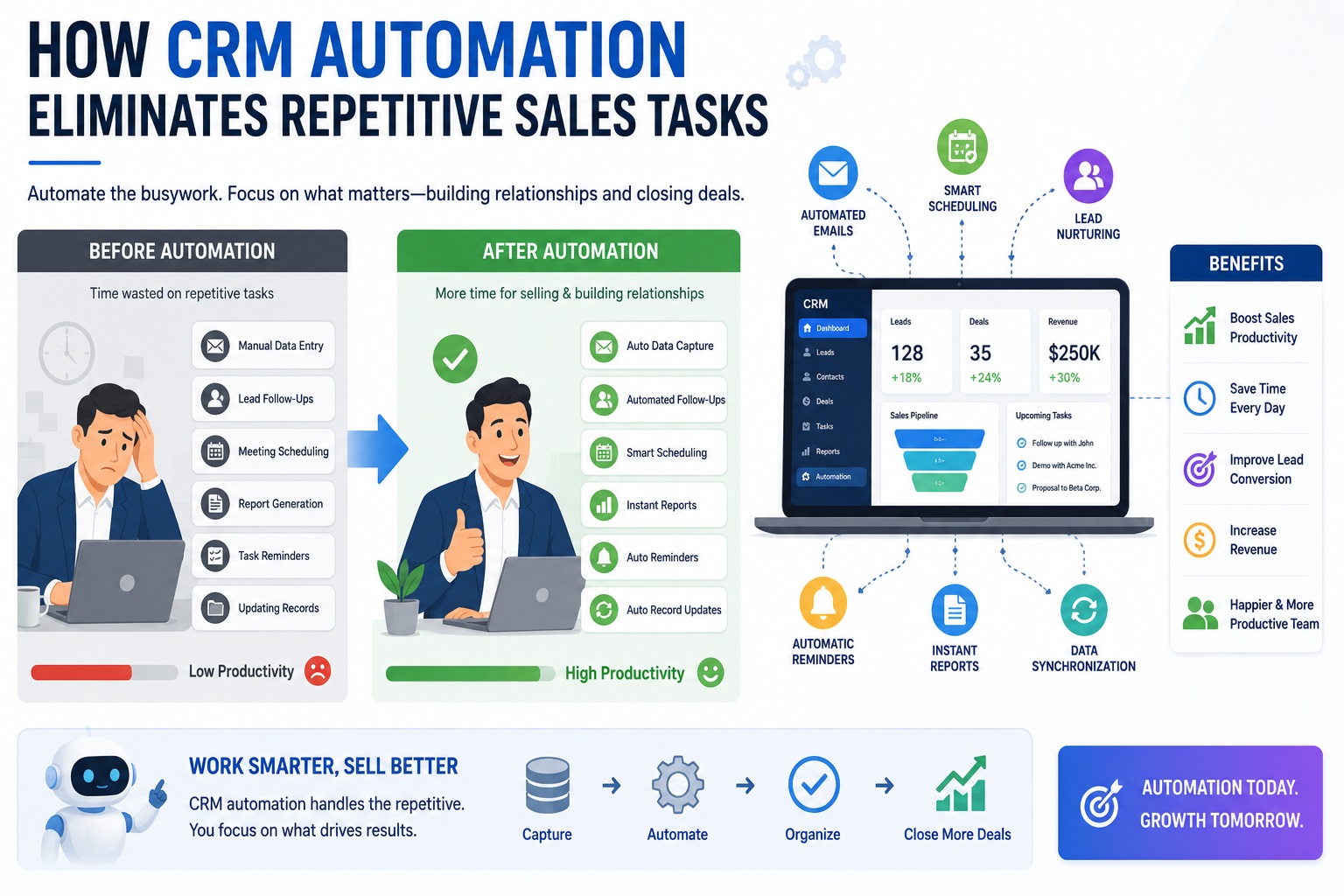
As businesses grow, they often adopt new software to support different teams. Sales may use one platform, customer support another, finance relies on separate accounting software, while marketing and operations manage their own systems. Although each tool serves a specific purpose, they often fail to communicate with one another. The result is fragmented information, duplicated work, and delayed decision-making.
These disconnected systems create what are known as data silos. When departments operate independently, valuable information becomes trapped within individual teams, making collaboration more difficult and reducing overall efficiency.
This is why organizations are increasingly adopting an AI business suite that brings every department together on a single intelligent platform. Instead of switching between multiple applications, employees can access accurate, real-time information that supports better collaboration and faster business decisions.
What Are Data Silos?
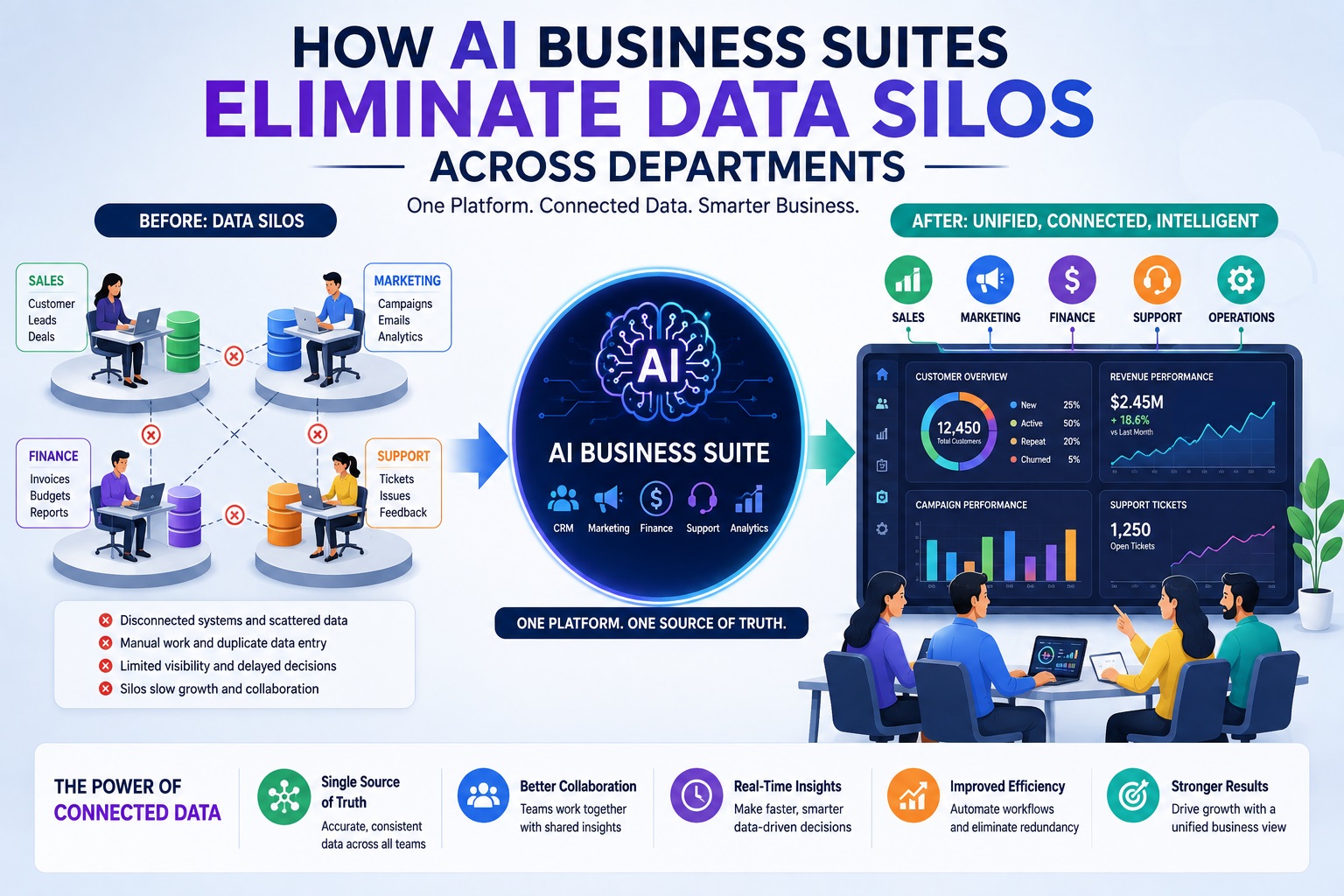
A data silo occurs when information is stored in one department or software system but is not easily accessible to other teams within the organization.
For example, the sales department may have valuable customer insights that customer support cannot access. Marketing might collect lead information that never reaches finance or operations. As businesses expand, these disconnected systems become increasingly difficult to manage.
Without a centralized approach, employees often waste time searching for information, manually transferring data, or recreating work that has already been completed elsewhere.
An integrated unified business platform helps solve this challenge by ensuring every department works from the same reliable source of information.
Why Data Silos Slow Business Growth
When departments cannot easily share information, business operations become less efficient.
Employees spend unnecessary time requesting updates from other teams, reconciling inconsistent records, and manually entering information into multiple systems. These repetitive processes increase the risk of errors while slowing customer service, sales, and internal operations.
Poor communication can also impact the customer experience. A customer may need to repeat information because support representatives cannot access previous sales conversations or service history.
By eliminating data silos, businesses create smoother workflows, improve collaboration, and provide a more consistent customer experience.
How an AI Business Suite Connects Every Department
An AI business suite acts as a centralized ecosystem where sales, marketing, customer support, operations, finance, and management can securely access shared information.
Rather than storing customer records, reports, and communications in separate applications, the suite connects all business data into one intelligent environment.
Artificial intelligence continuously updates information, synchronizes records, and provides real-time visibility across departments. This ensures everyone works with the latest available information instead of outdated spreadsheets or disconnected databases.
The result is faster communication, better teamwork, and more informed business decisions.
Unified Business Platforms Improve Collaboration
Successful businesses rely on collaboration between departments.
A unified business platform allows employees to work together without constantly switching between different software systems or requesting information from other teams.
For example, sales representatives can instantly view customer support history before contacting a client. Marketing teams can monitor customer purchasing trends to create more personalized campaigns. Finance teams gain visibility into completed sales without waiting for manual reports.
This shared access improves coordination while reducing unnecessary delays throughout the organization.
AI Workflow Software Automates Information Sharing
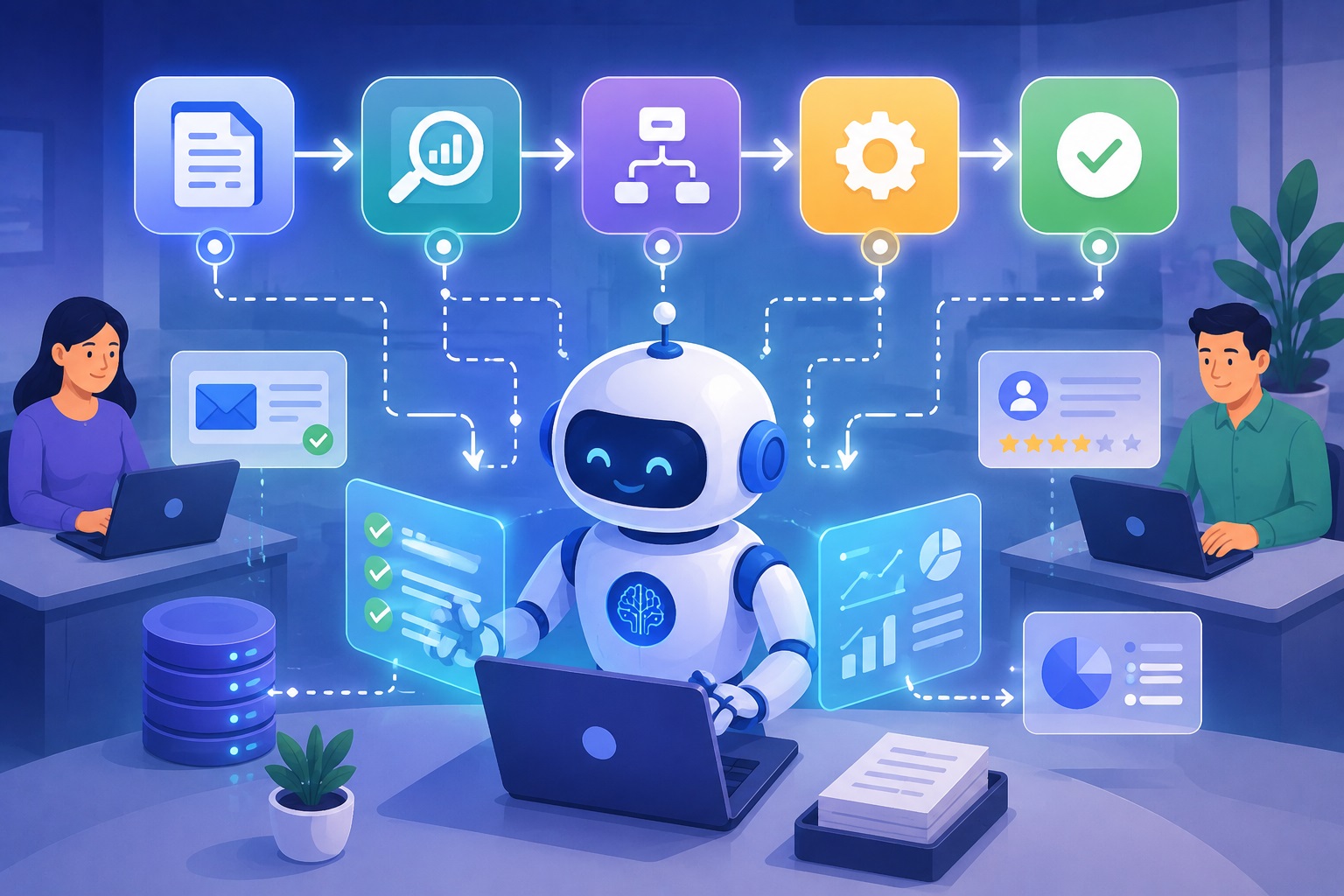
One of the biggest advantages of modern AI workflow software is its ability to automate routine business processes.
Instead of relying on employees to manually update multiple systems, AI automatically transfers information between departments whenever important events occur.
For example, when a new customer completes a purchase, the system can instantly notify customer support, generate an invoice for finance, update inventory records, and trigger onboarding communications.
These automated workflows reduce manual work while ensuring every department receives accurate information in real time.
Enterprise Automation Platforms Reduce Operational Complexity
Managing multiple disconnected systems often creates unnecessary complexity for growing businesses.
An enterprise automation platform simplifies operations by bringing customer management, reporting, communication, and workflow automation into one integrated solution.
Instead of maintaining numerous software subscriptions and complicated integrations, businesses can centralize operations using a single intelligent platform.
This not only reduces operational costs but also makes employee training easier because staff members work within one consistent environment.
Organizations become more agile while spending less time managing technology.
Better Decision-Making Through Centralized Data
Business leaders rely on accurate information when making strategic decisions.
When important data is spread across multiple systems, managers often struggle to obtain a complete picture of business performance. Reports may be inconsistent, outdated, or incomplete.
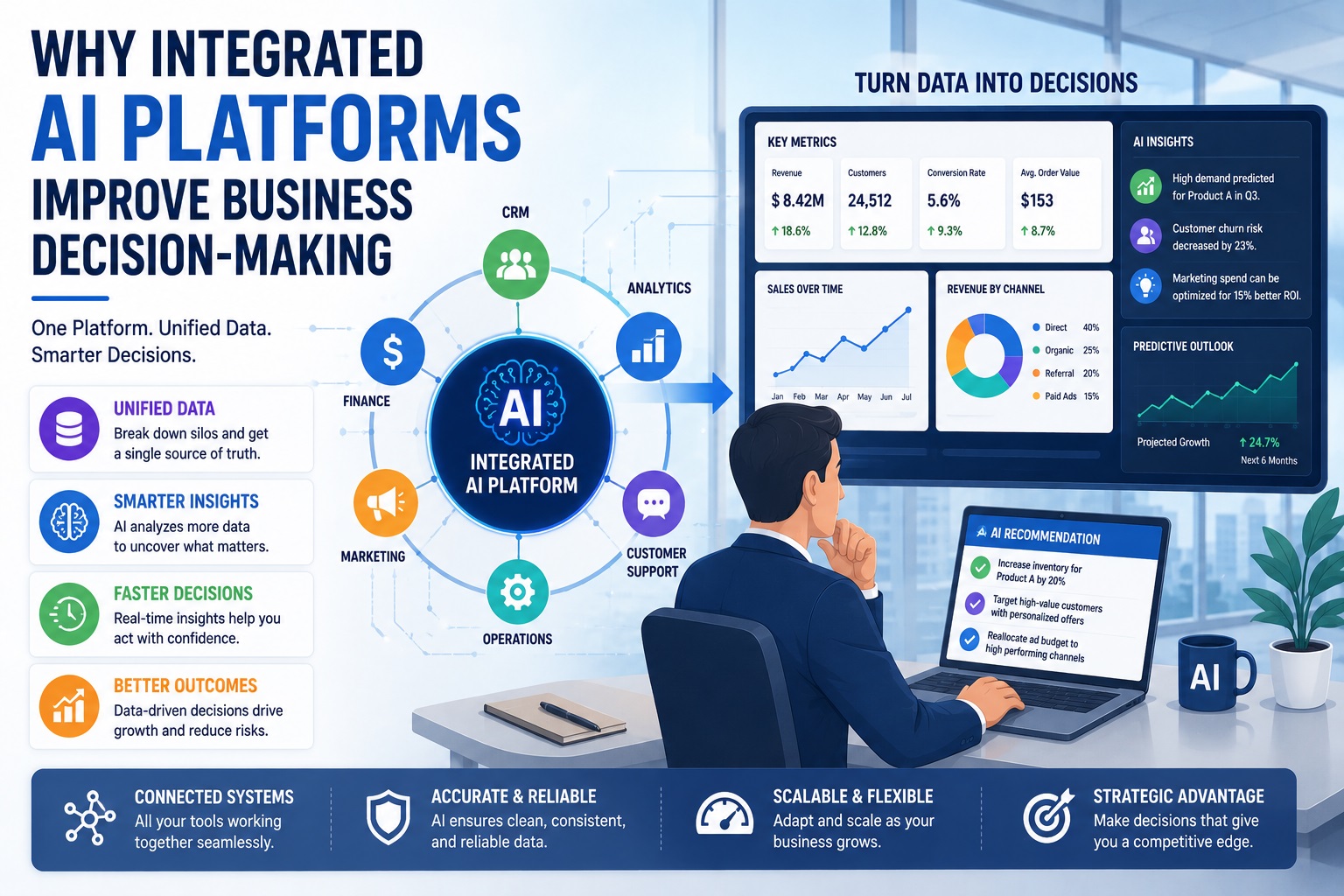
Using business process automation software, organizations can centralize information and generate comprehensive reports using real-time data from every department.
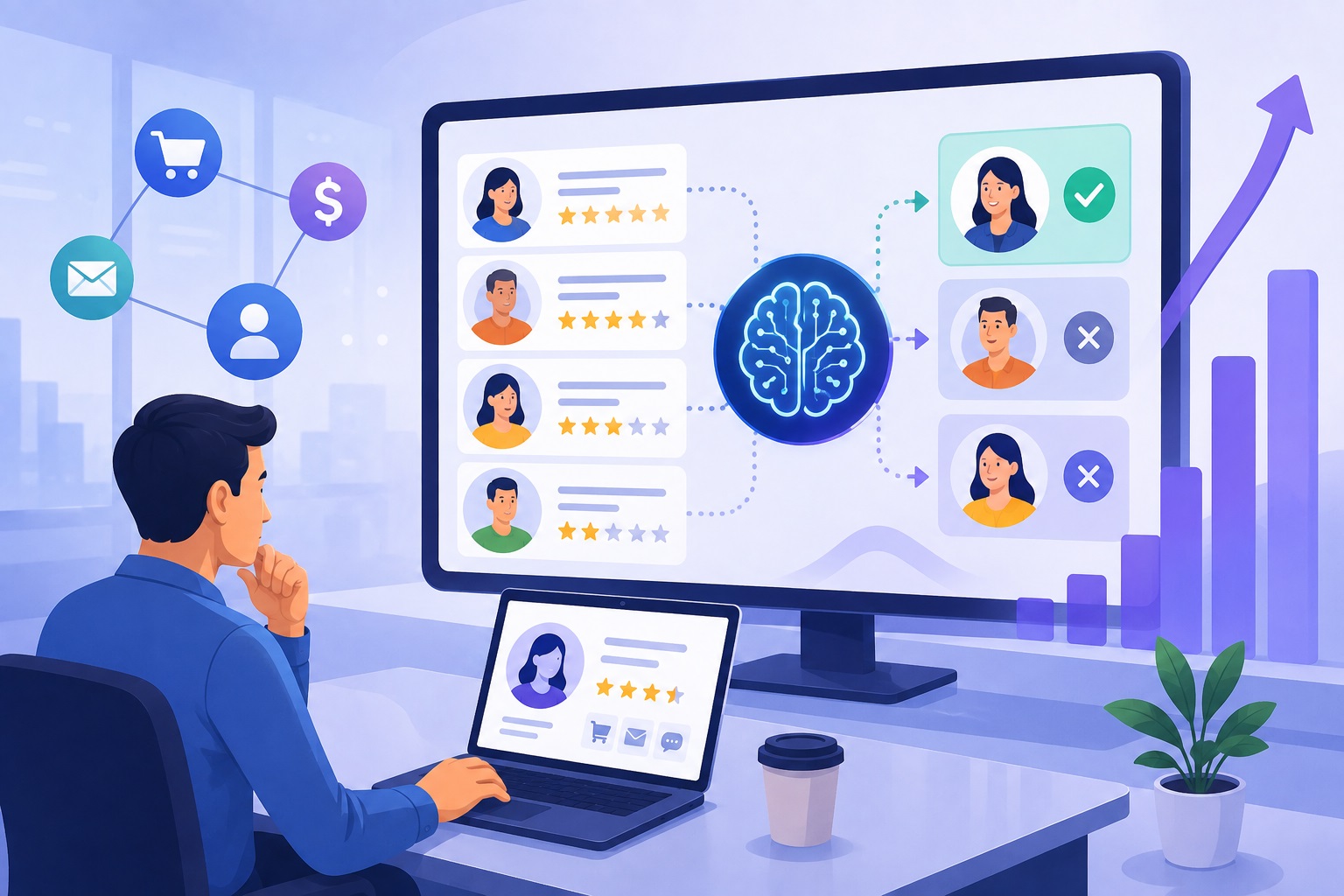
Artificial intelligence also identifies trends, forecasts performance, and highlights opportunities that might otherwise remain hidden.
This enables leadership teams to make faster, more confident decisions supported by accurate business intelligence.
Improving Customer Experiences
Customers rarely see a company’s internal systems, but they immediately notice when departments fail to communicate.
A customer may become frustrated if they need to repeat information to multiple representatives or experience delays because employees cannot access previous interactions.
An integrated AI business suite provides every customer-facing team with complete visibility into customer history, preferences, purchases, and support interactions.
This allows businesses to deliver faster, more personalized service while building stronger customer relationships.
Connected information creates smoother experiences that increase customer satisfaction and long-term loyalty.
Supporting Business Growth with Intelligent Automation
As businesses expand, manual processes become increasingly difficult to manage.
An enterprise automation platform helps organizations scale more efficiently by automating repetitive work, improving collaboration, and reducing operational bottlenecks.
Rather than hiring additional staff to manage administrative tasks, businesses can use AI to streamline workflows and eliminate unnecessary manual processes.
Automation allows organizations to grow without sacrificing efficiency or service quality.
The Future of Connected Business Operations
Artificial intelligence is transforming how organizations manage information.
Future AI workflow software will become even more intelligent, automatically identifying process improvements, predicting operational challenges, and recommending solutions before problems occur.
Businesses will increasingly rely on connected platforms that combine customer relationship management, workflow automation, analytics, communication, and collaboration into one intelligent ecosystem.
Companies that eliminate data silos today will be better prepared for tomorrow’s increasingly data-driven business environment.
FAQs
What are data silos in a business?
Data silos occur when information is stored separately within departments or software systems, making it difficult for other teams to access or share that data efficiently.
How do AI business suites help eliminate data silos?
An AI business suite centralizes business information, automatically synchronizes data across departments, and provides real-time access to shared information through intelligent automation.
Which departments benefit most from eliminating data silos?
Sales, marketing, customer support, finance, operations, and executive leadership all benefit from improved collaboration, faster communication, and access to centralized business information.
Why is centralized business data important for decision-making?
Centralized data provides leaders with accurate, real-time insights across the organization, helping them make faster, more informed decisions while improving operational efficiency and customer service.
Conclusion
Breaking down data silos is essential for businesses that want to improve collaboration, increase efficiency, and make smarter decisions. By adopting an AI business suite, AI workflow software, and business process automation software, organizations can create a connected workplace where information flows seamlessly across every department.
Syncrux provides an intelligent unified business platform designed to simplify operations, automate workflows, and eliminate disconnected systems.
With a powerful enterprise automation platform, Syncrux helps businesses centralize data, improve collaboration, and accelerate growth through AI-driven innovation. If you’re ready to transform the way your teams work together, Syncrux delivers the technology and expertise to help your business move forward.