Modern businesses are under constant pressure to improve efficiency, reduce costs, and deliver better customer experiences. For years, companies relied on separate software solutions for customer relationship management, support operations, marketing automation, project management, and workflow tracking. While these tools served their individual purposes well, managing multiple platforms often created more complexity than convenience.
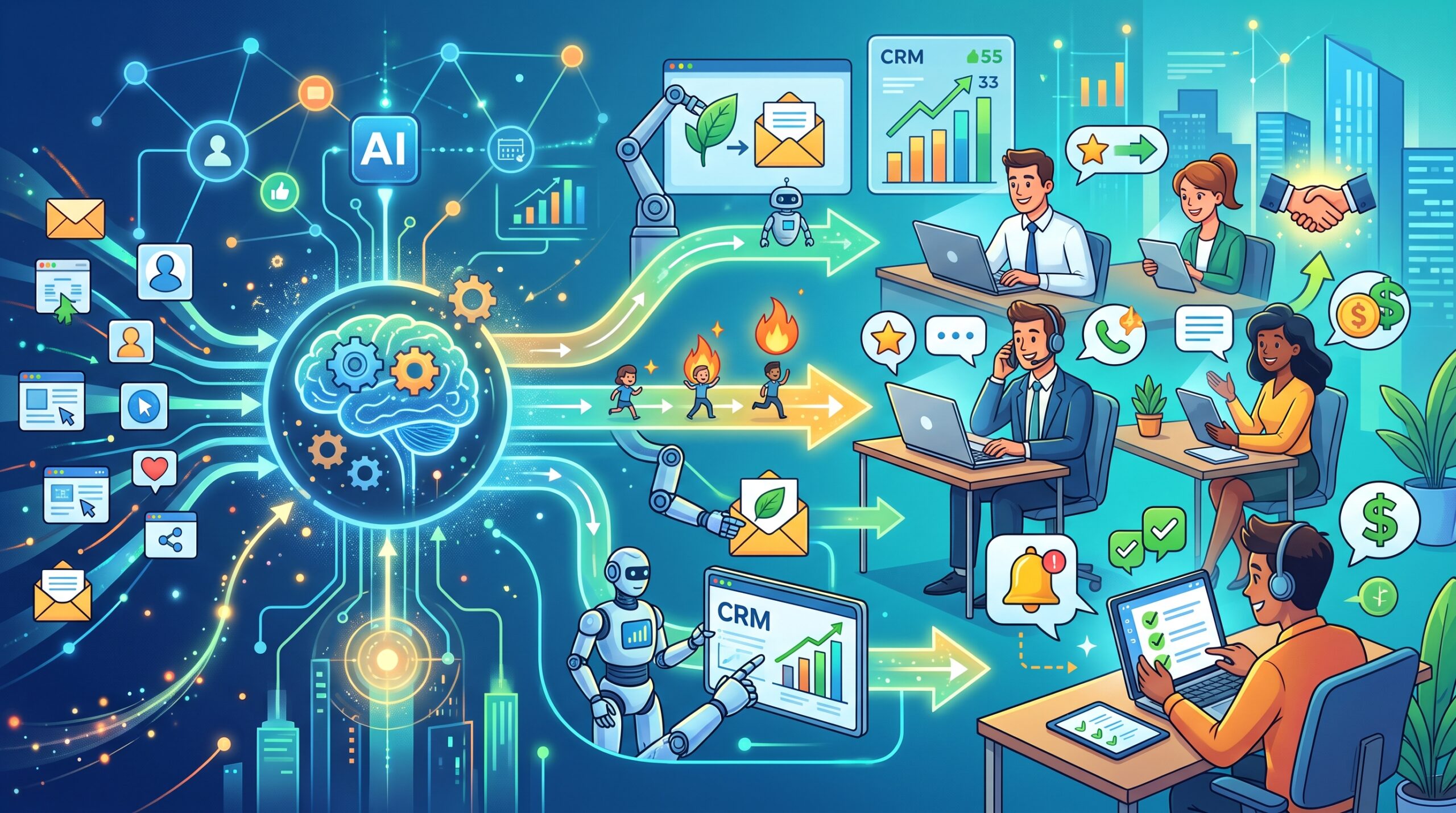
Today, organizations are moving toward a more streamlined approach by consolidating critical business functions into a single AI-powered ecosystem. Instead of juggling disconnected systems, businesses are adopting an AI CRM platform that combines customer management, support, analytics, and automation into one intelligent solution.
This shift is not just about simplifying technology. It is about creating a more connected, efficient, and scalable business environment that allows teams to work smarter and customers to receive better service.
The Challenge of Managing Multiple Business Tools
Most growing companies accumulate software over time. A CRM system may be used for sales, a separate platform for customer support, another application for marketing automation, and yet another for reporting.
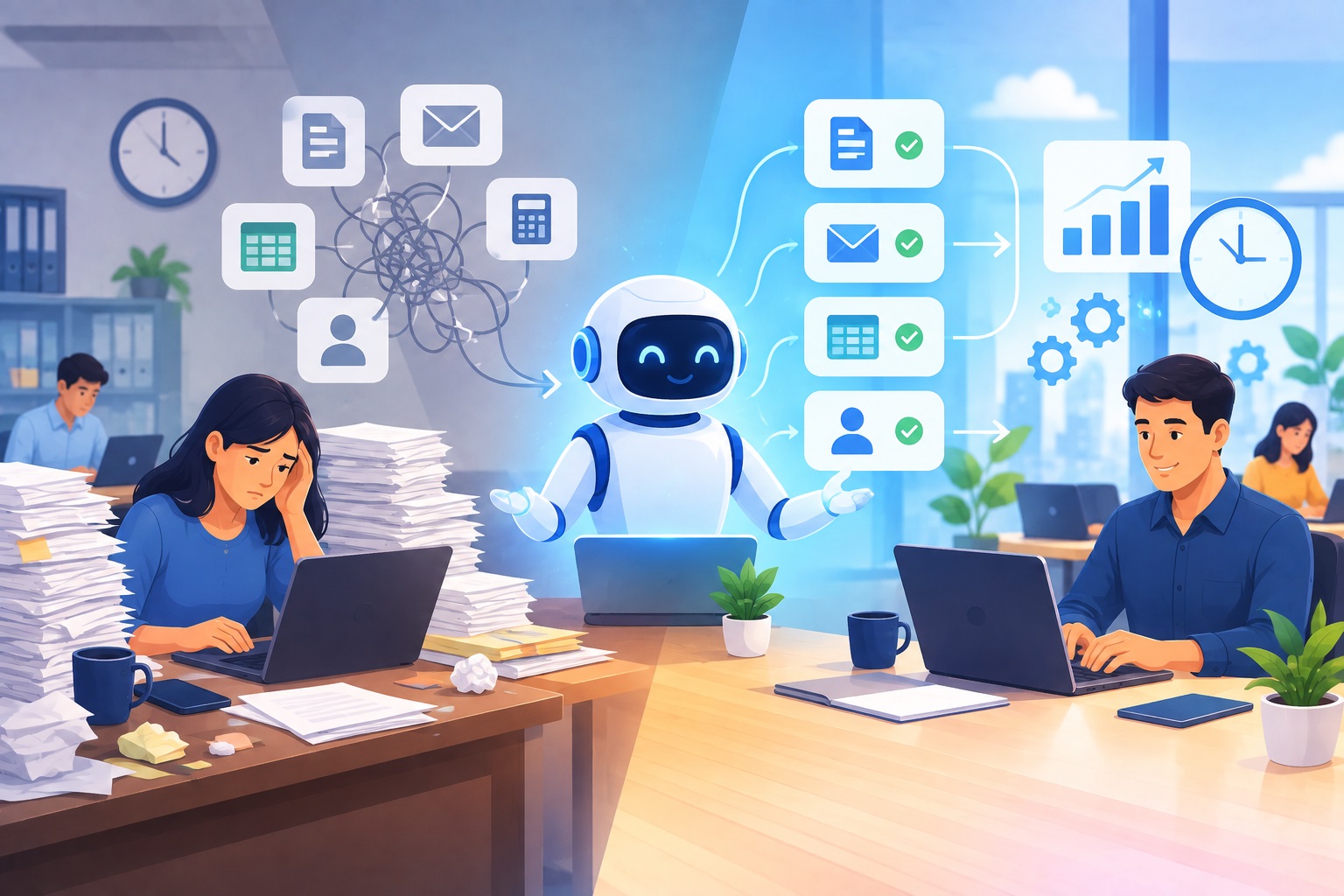
At first, this setup appears manageable. However, as operations expand, the disadvantages become more apparent. Employees often switch between multiple platforms throughout the day, manually transfer information, and spend valuable time searching for data stored in different systems.
These disconnected workflows can lead to communication gaps, duplicated work, inconsistent customer experiences, and increased software expenses. As a result, businesses are looking for more efficient alternatives.
This is one of the key reasons organizations are investing in a comprehensive business automation suite that centralizes operations and reduces complexity.
Why Unified AI Suites Are Gaining Popularity
Businesses no longer want isolated systems that operate independently. They need technology that connects departments, shares information seamlessly, and supports real-time decision-making.
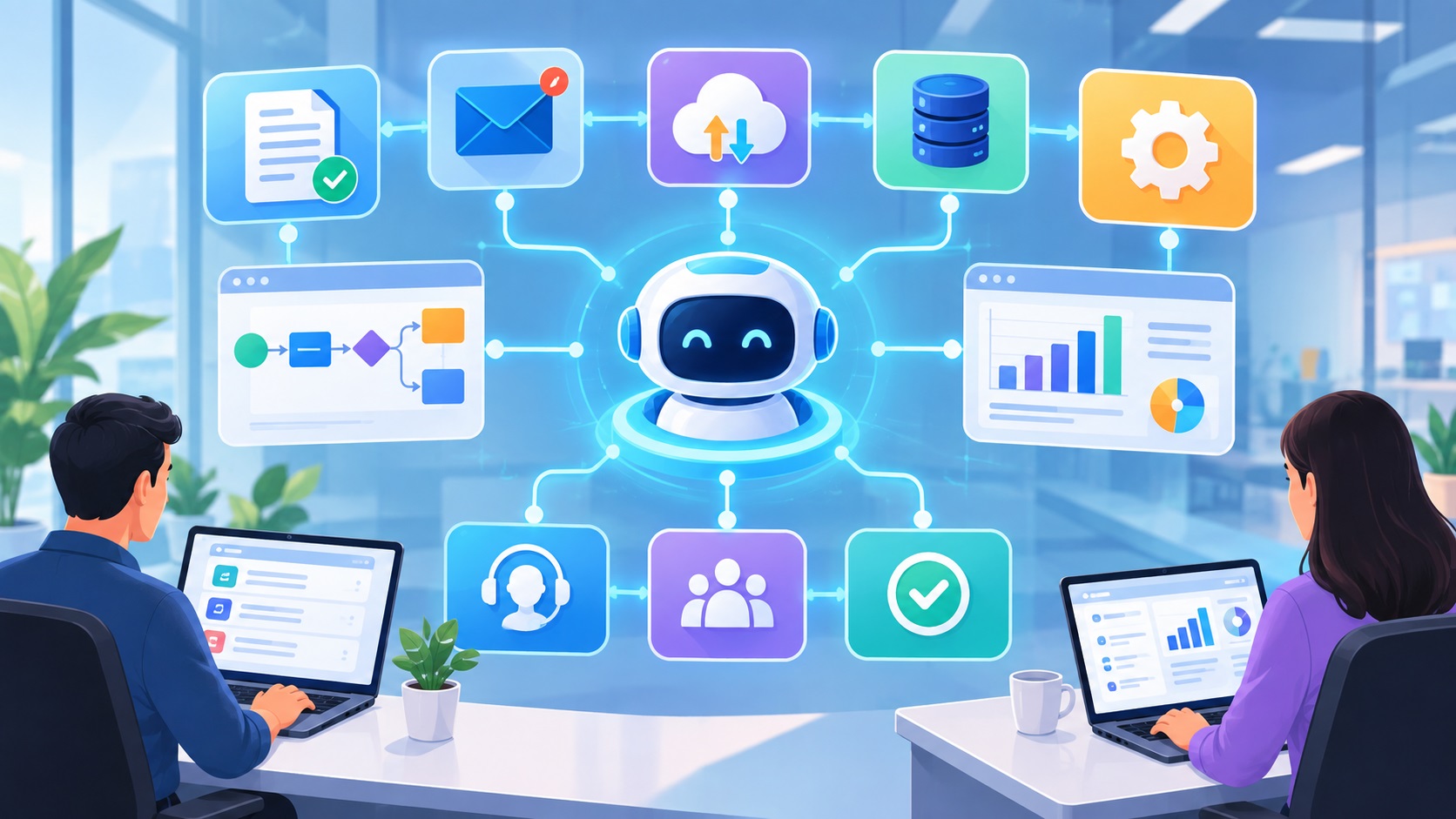
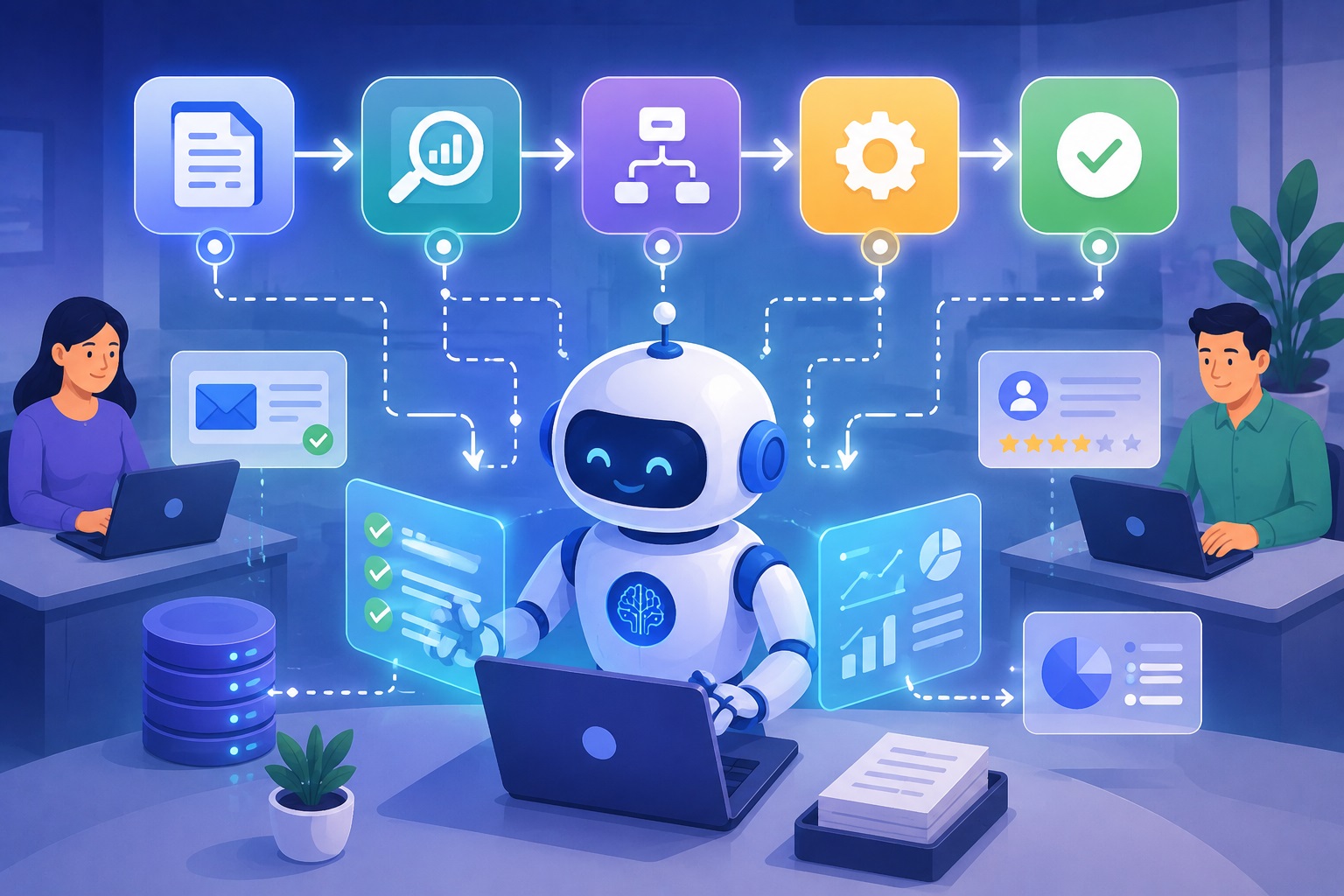
A unified AI suite brings together CRM functionality, customer support tools, workflow automation, analytics, and communication systems into a single platform. This allows teams to access the same data, collaborate more effectively, and eliminate unnecessary manual processes.
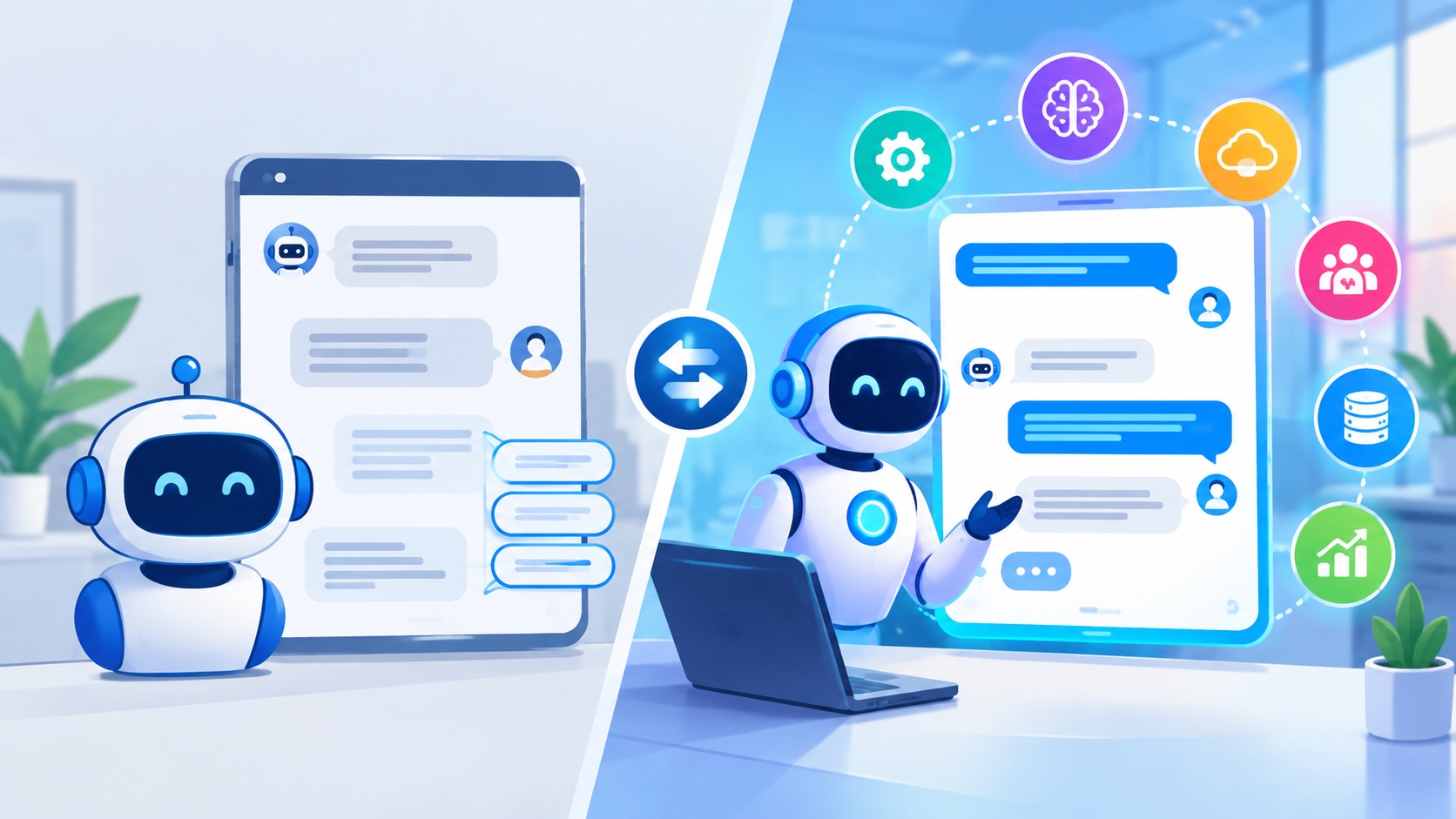
An advanced AI CRM platform serves as the foundation of this ecosystem, providing businesses with a centralized source of customer information while integrating automation across multiple functions.
By consolidating tools, organizations gain better visibility into operations and improve the overall customer journey.
Improving Customer Experiences Through Connected Systems
Customer expectations have changed dramatically over the last few years. People expect fast responses, personalized interactions, and seamless experiences regardless of how they engage with a business.
When customer information is spread across multiple systems, delivering a consistent experience becomes difficult. Sales teams may not have access to support history, while support agents may not know about recent purchases or marketing interactions.
This is where customer workflow automation software provides significant value. By connecting customer data across departments, businesses can ensure every interaction is informed and relevant.
For example, when a customer contacts support, the system can automatically provide representatives with purchase history, previous conversations, and account details. This leads to faster resolutions and more personalized service.
Enhancing Productivity Across Teams
One of the biggest advantages of consolidation is improved productivity. Employees often spend a surprising amount of time managing software instead of focusing on meaningful work.
A unified business automation suite reduces administrative burdens by automating repetitive tasks and centralizing workflows. Instead of manually updating records in multiple systems, information is automatically synchronized across departments.
This allows teams to spend more time building customer relationships, solving problems, and driving business growth.
Sales representatives can focus on closing deals rather than entering data. Support teams can resolve issues more quickly. Managers can access real-time insights without compiling reports from multiple sources.
The result is a more productive and efficient organization.
AI Business Management Tools Enable Smarter Decisions
Data is one of the most valuable assets a company possesses. However, data only becomes useful when it can be analyzed and transformed into actionable insights.
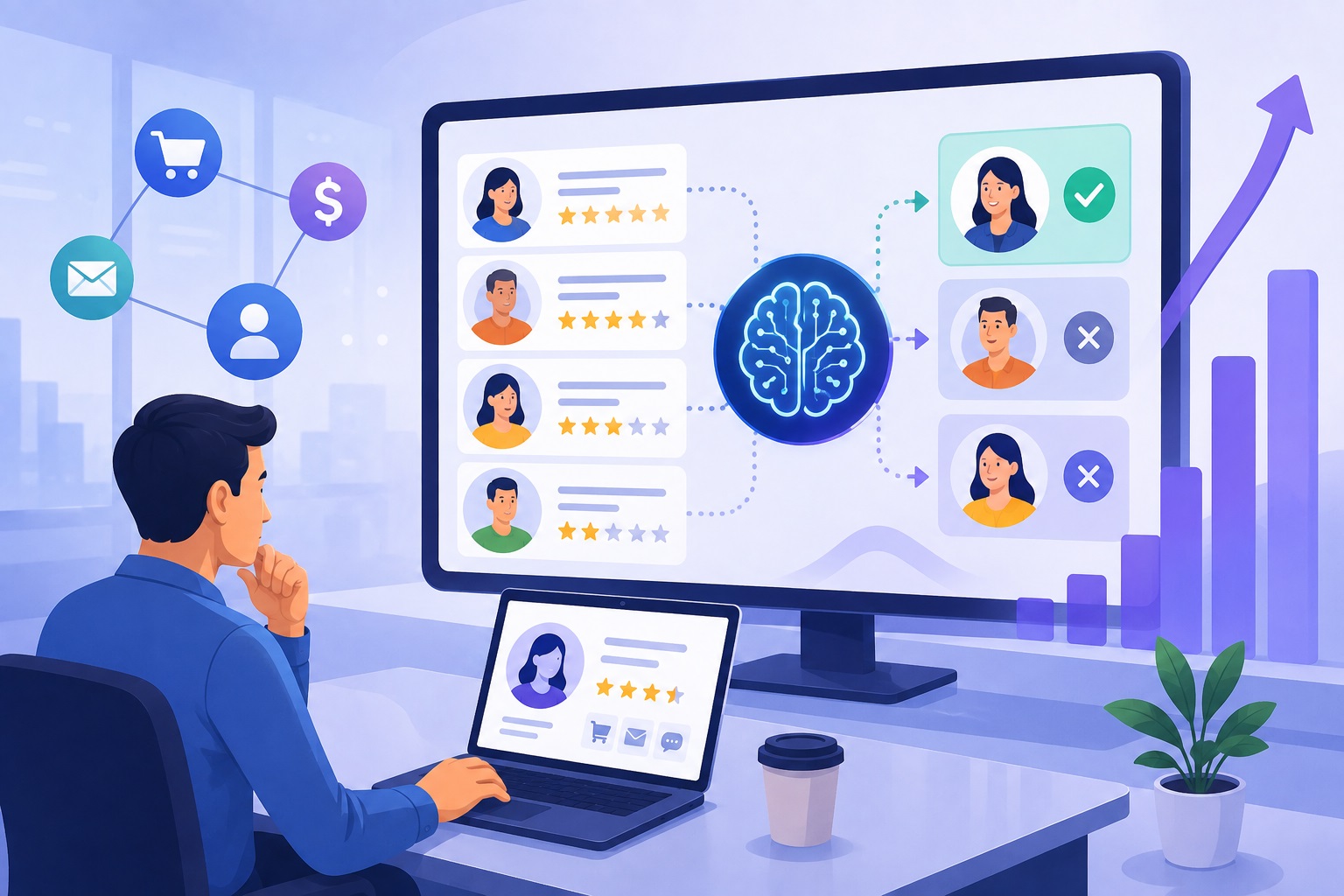
Modern AI business management tools collect information from across the organization and use artificial intelligence to identify trends, patterns, and opportunities.
Instead of relying on fragmented reports from separate systems, decision-makers gain access to a unified view of operations. AI can highlight customer behavior patterns, identify workflow bottlenecks, and recommend actions that improve performance.
This allows businesses to make faster and more informed decisions while remaining agile in changing markets.
Reducing Operational Costs Through Consolidation
Cost reduction is another major reason businesses are moving toward integrated AI platforms. Maintaining multiple software subscriptions can become expensive, especially when organizations pay for overlapping features across different tools.
A centralized enterprise automation platform reduces these expenses by replacing multiple applications with one comprehensive solution.
Beyond subscription savings, businesses also benefit from lower training costs, reduced IT complexity, and fewer integration challenges. Employees only need to learn one system instead of several, which accelerates onboarding and improves adoption rates.
By simplifying technology infrastructure, organizations can allocate resources more effectively and improve their return on investment.
Creating Scalable Business Operations
As companies grow, their operational requirements become more complex. Managing growth with disconnected systems often creates challenges that slow progress and increase costs.
An enterprise automation platform provides the scalability needed to support expansion without introducing unnecessary complexity. AI-powered systems can handle increasing volumes of customer interactions, automate larger workflows, and provide consistent performance as the business grows.
This scalability is especially important for organizations pursuing digital transformation initiatives and long-term growth strategies.
With the right technology foundation, businesses can expand confidently while maintaining operational efficiency.
The Role of AI in Future Business Operations
Artificial intelligence is becoming a central component of modern business operations. Rather than serving as a standalone technology, AI is increasingly embedded into every aspect of organizational workflows.
From predictive analytics and customer engagement to workflow automation and operational management, AI is helping businesses become more proactive and efficient.
As AI business management tools continue to evolve, organizations will gain even greater capabilities. Future AI systems will not only automate tasks but also anticipate business needs, identify opportunities, and optimize processes automatically.
Companies that embrace unified AI solutions today will be better positioned to compete in tomorrow’s digital economy.
Why Consolidation Is Becoming a Strategic Priority
Technology should simplify business operations, not complicate them. Yet many organizations continue to struggle with disconnected systems that create inefficiencies and increase costs.
By consolidating CRM, support, and automation into a single AI CRM platform, businesses can eliminate data silos, improve collaboration, and create more efficient workflows.
This strategic shift allows organizations to focus on what matters most: delivering value to customers, supporting employees, and driving sustainable growth.
FAQs
Why are companies moving from separate software tools to unified AI platforms?
Companies are moving to unified AI platforms because they reduce complexity, improve collaboration, centralize data, and eliminate the inefficiencies caused by disconnected systems. A unified platform also helps businesses reduce software costs and improve operational performance.
How does an AI suite improve collaboration between teams?
An AI suite creates a shared environment where departments can access the same information in real time. This improves communication, eliminates data silos, and allows teams to work together more effectively across sales, support, operations, and management.
Can consolidating business tools help reduce operational costs?
Yes. Consolidating tools can significantly reduce subscription fees, training expenses, maintenance costs, and integration challenges. Businesses also save time by automating workflows and eliminating manual processes.
What features should businesses look for in an AI-powered business suite?
Businesses should look for CRM management, workflow automation, customer support tools, real-time analytics, AI-driven insights, and seamless integrations. The platform should also be scalable, secure, and easy to use as the business grows.
Conclusion
The future of business operations lies in connected, intelligent systems that simplify workflows and improve collaboration. Through an AI CRM platform, customer workflow automation software, and enterprise automation platform capabilities, businesses can streamline operations while reducing costs.
Syncrux helps organizations modernize their operations with a powerful business automation suite designed for efficiency and growth.
From AI business management tools to intelligent workflow automation, Syncrux provides solutions that connect teams, improve productivity, and enhance customer experiences.
For businesses looking to simplify technology and scale smarter, Syncrux offers the innovation and expertise needed to succeed.