Businesses have used chatbots for years to answer common customer questions. However, customer expectations have changed. People now want faster, more natural, and more useful conversations.
That is where conversational automation comes in. Unlike traditional chatbots, it can understand context, handle more complex requests, and connect conversations with business processes.
The difference matters because businesses need more than automated replies. They need systems that can understand customers, take action, and keep conversations moving without constant human involvement.
What Is Conversational Automation?
Conversational automation uses AI to manage customer conversations across digital channels. It combines natural language understanding, automation, business rules, and connected systems.
A traditional chatbot may answer a question from a fixed list. Conversational automation can understand what a customer means and determine what should happen next.
For example, a customer might ask about an order and then request a delivery change. An automated system can understand both requests and take the appropriate actions.
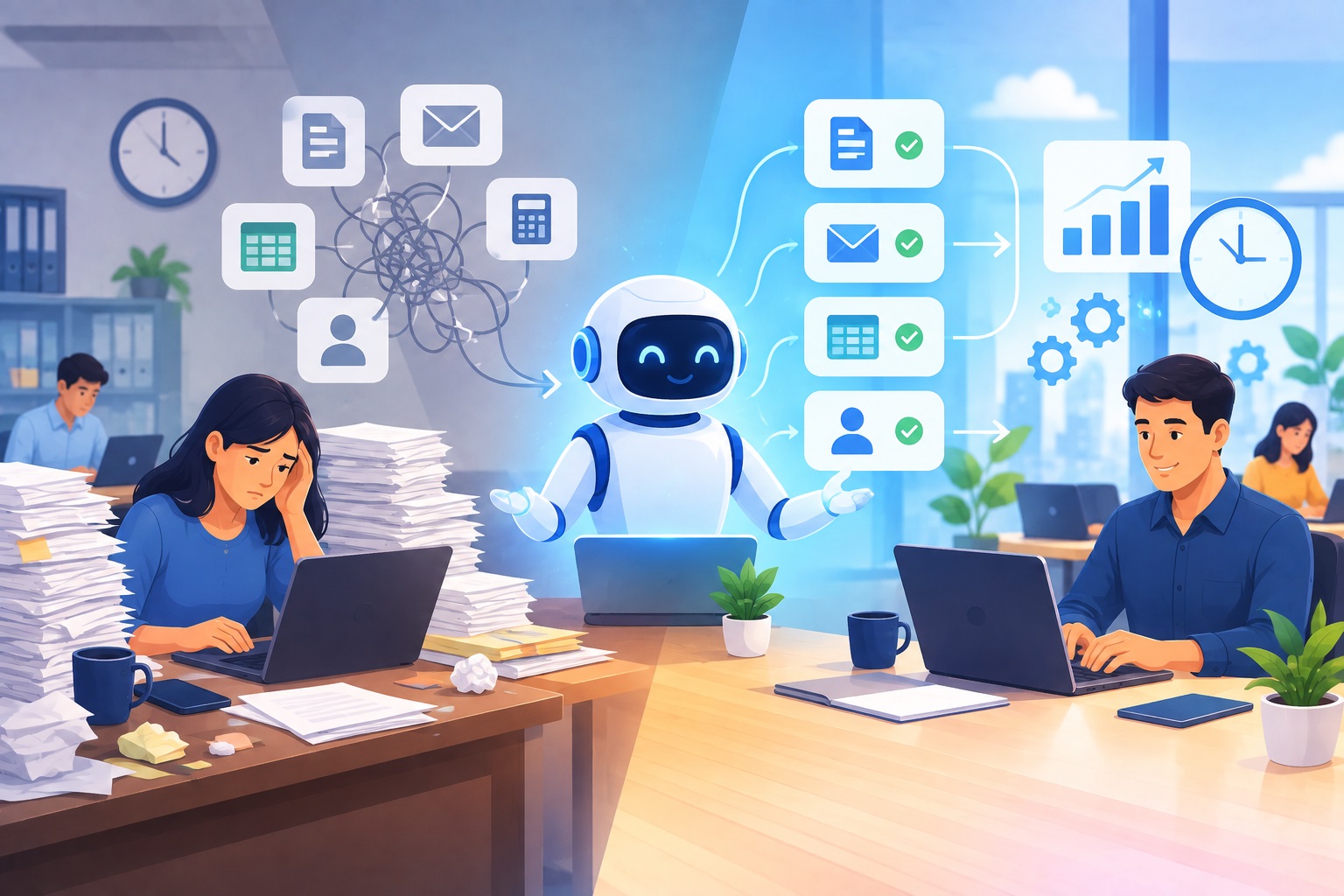
This makes conversations feel more natural while reducing repetitive work for customer service teams.
What Are Traditional Chatbots?
Traditional chatbots usually follow predefined scripts or decision trees. They work well when customers ask predictable questions.
A customer might select “Shipping,” then choose “Track Order.” The chatbot follows that path and provides the information associated with the selection.
This approach can handle simple tasks efficiently. However, it often struggles when customers phrase questions differently or move beyond the expected conversation path.
When that happens, customers may see messages such as “I didn’t understand that” or get transferred to an employee.
Conversational Automation vs Traditional Chatbots
The biggest difference involves how each system handles conversations.
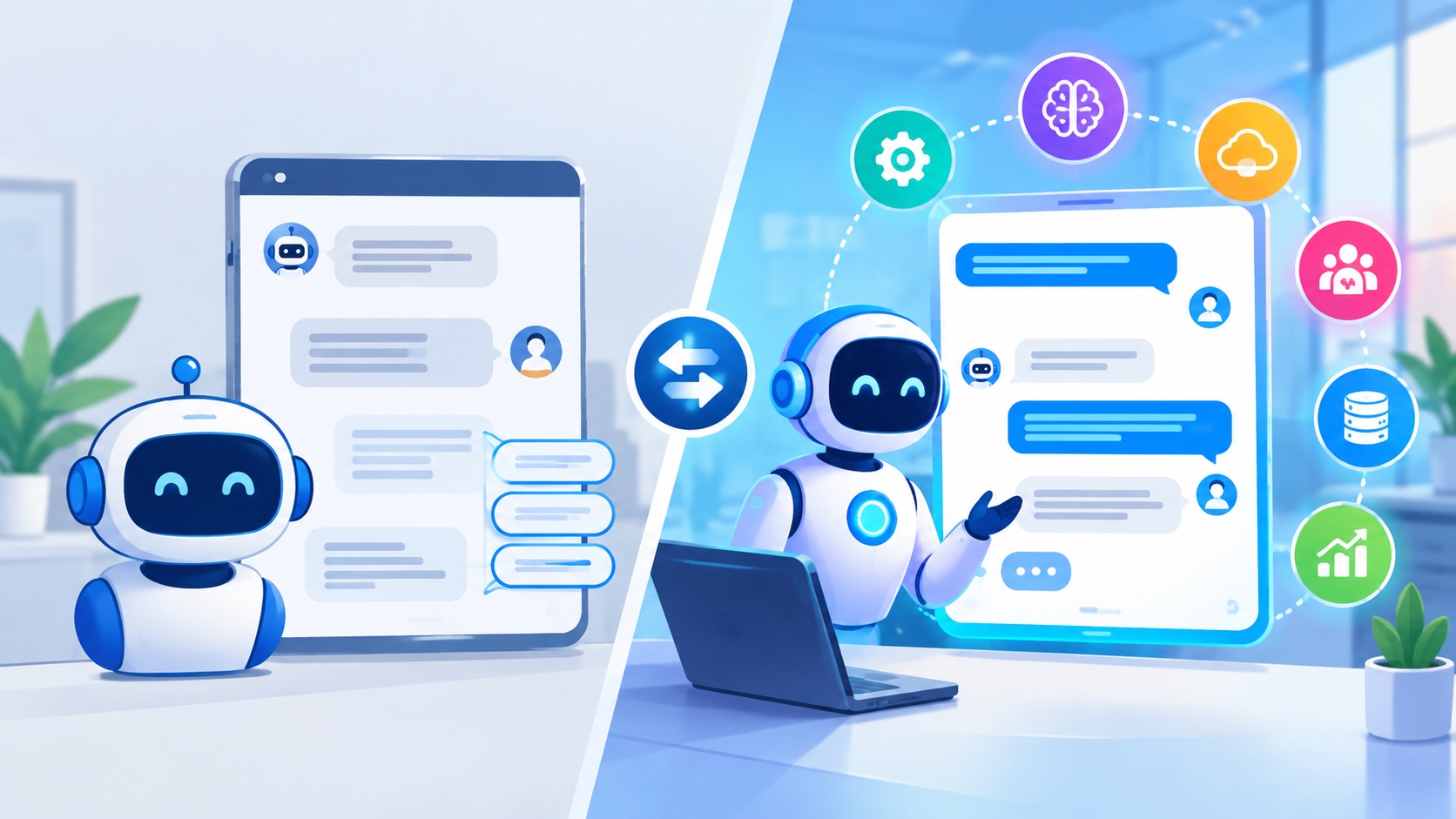
Traditional chatbots depend heavily on predefined responses and workflows. Conversational AI automation, however, uses AI to understand language, context, and intent.
That means customers do not always need to use specific phrases. They can explain their issue naturally, just as they would when speaking with another person.
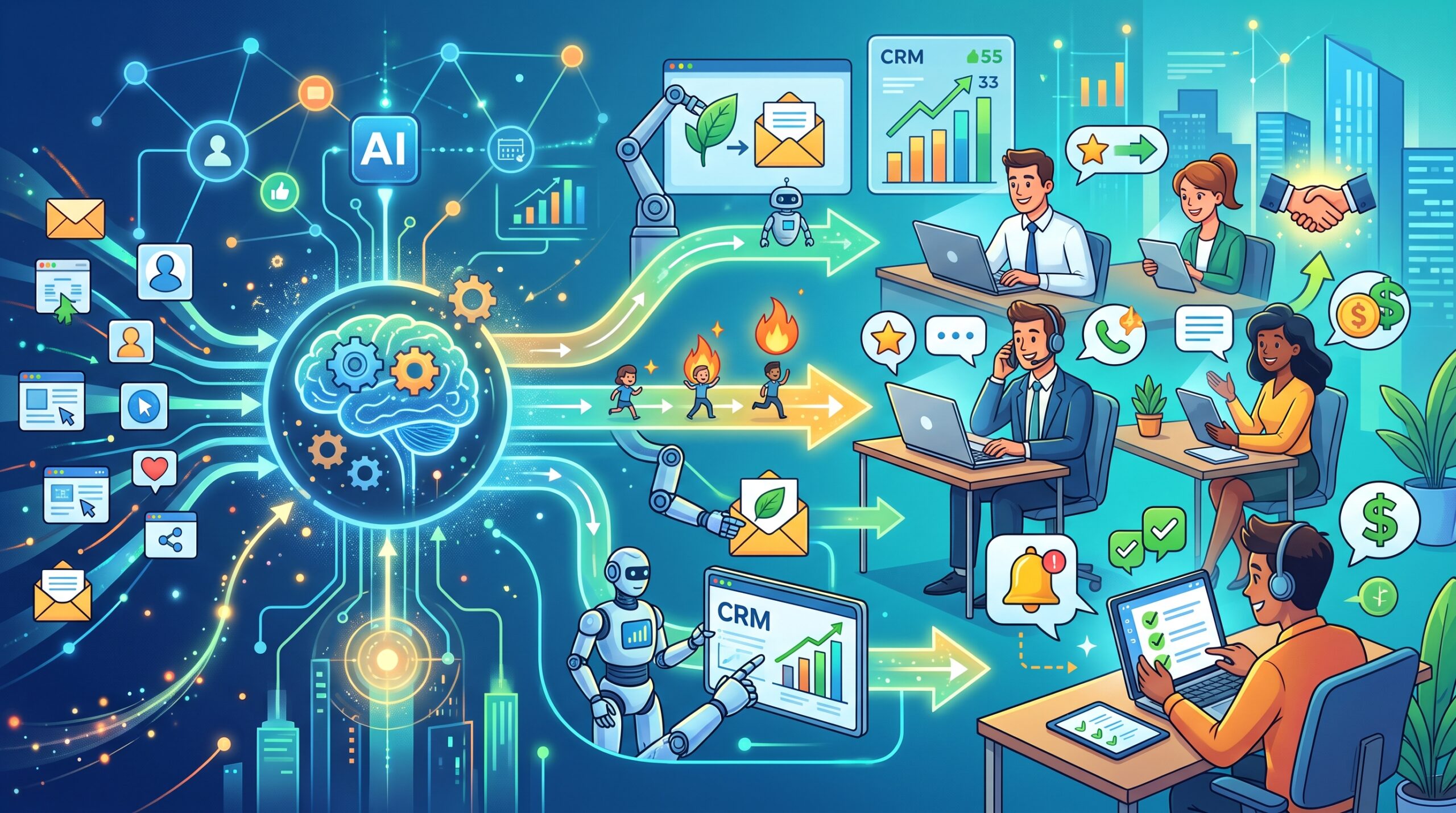
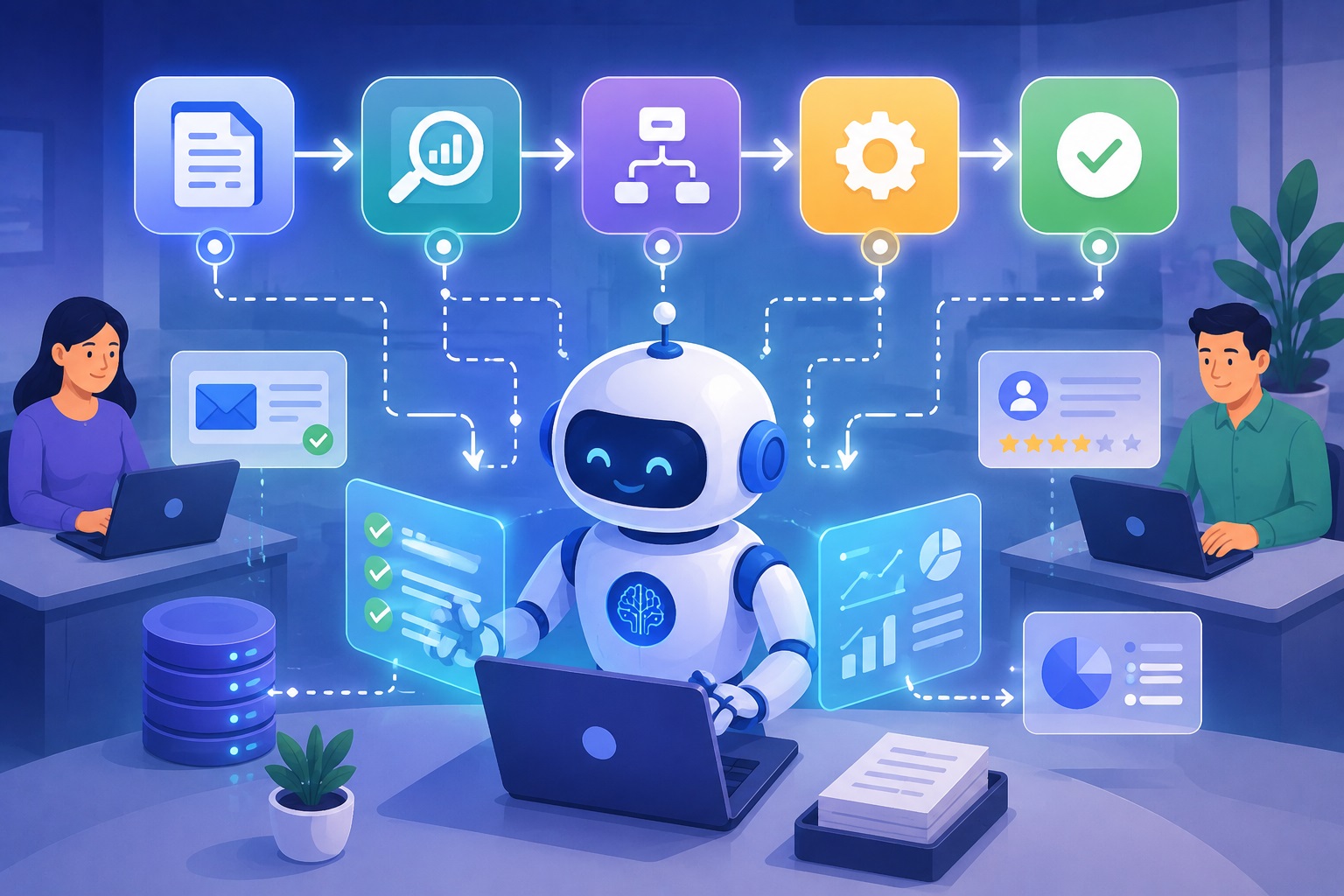
Conversational automation can also connect a conversation to other business systems. This allows it to move from answering questions to completing tasks.
How Conversational AI Automation Works
AI conversational automation combines several technologies to manage customer interactions.
First, the system analyzes what the customer says. It identifies the intent behind the message and considers relevant conversation history.
Next, it determines the appropriate response or action. Depending on the request, it might answer a question, collect information, update a record, or start another workflow.
Finally, the system can continue the conversation based on the customer’s response. If the situation requires human judgment, it can also transfer the conversation to an employee.
This creates a more flexible experience than a simple question-and-answer bot.
Conversational AI for Business
Conversational AI for business can support customers throughout different stages of their journey. It can answer questions before a purchase and provide support afterward.
For example, a potential customer may ask about pricing, availability, or product features. The system can provide relevant information and collect contact details for follow-up.
Existing customers may need help with orders, appointments, account information, or common service questions. AI can handle many of these requests without requiring an employee to respond manually.
As a result, businesses can provide support across more conversations while allowing employees to focus on complicated issues.
From Automated Conversations to Real Actions
One major advantage involves moving beyond automated customer conversations.
A basic chatbot may tell a customer that their order has shipped. A more advanced system can retrieve the order status directly from the company’s systems.
It could then answer a follow-up question, update information, or create a support request. This turns the conversation into part of an actual business process.
The customer gets an answer without switching channels. Meanwhile, employees avoid unnecessary manual work.
AI Customer Communication Across the Customer Journey
AI customer communication can support customers at multiple touchpoints.
Marketing teams can use AI to answer questions about products or services. Sales teams can use it to qualify leads and collect important information.
Customer support teams can automate common requests and route complex cases. After a purchase, AI can provide updates and answer routine questions.
This creates a more consistent communication experience. Customers can receive help without waiting for an employee to become available.
Conversational Workflow Automation
The real value grows when conversations connect with workflows.
Conversational workflow automation allows an AI system to trigger business actions based on what customers say. A conversation can therefore become the starting point for a larger process.
For example, a customer could request a service appointment through chat. The system can collect the required details, check available options, schedule the appointment, and send confirmation.
Similarly, a support request can trigger a ticket, assign the issue to the right team, and notify the customer.
The conversation becomes more than communication. It becomes an interface for getting things done.
AI-Powered Customer Engagement
Modern customers expect businesses to respond quickly. Long wait times can create frustration, especially for simple questions.
AI-powered customer engagement helps businesses provide faster responses across high volumes of interactions. AI can handle routine conversations while employees focus on situations that need personal attention.
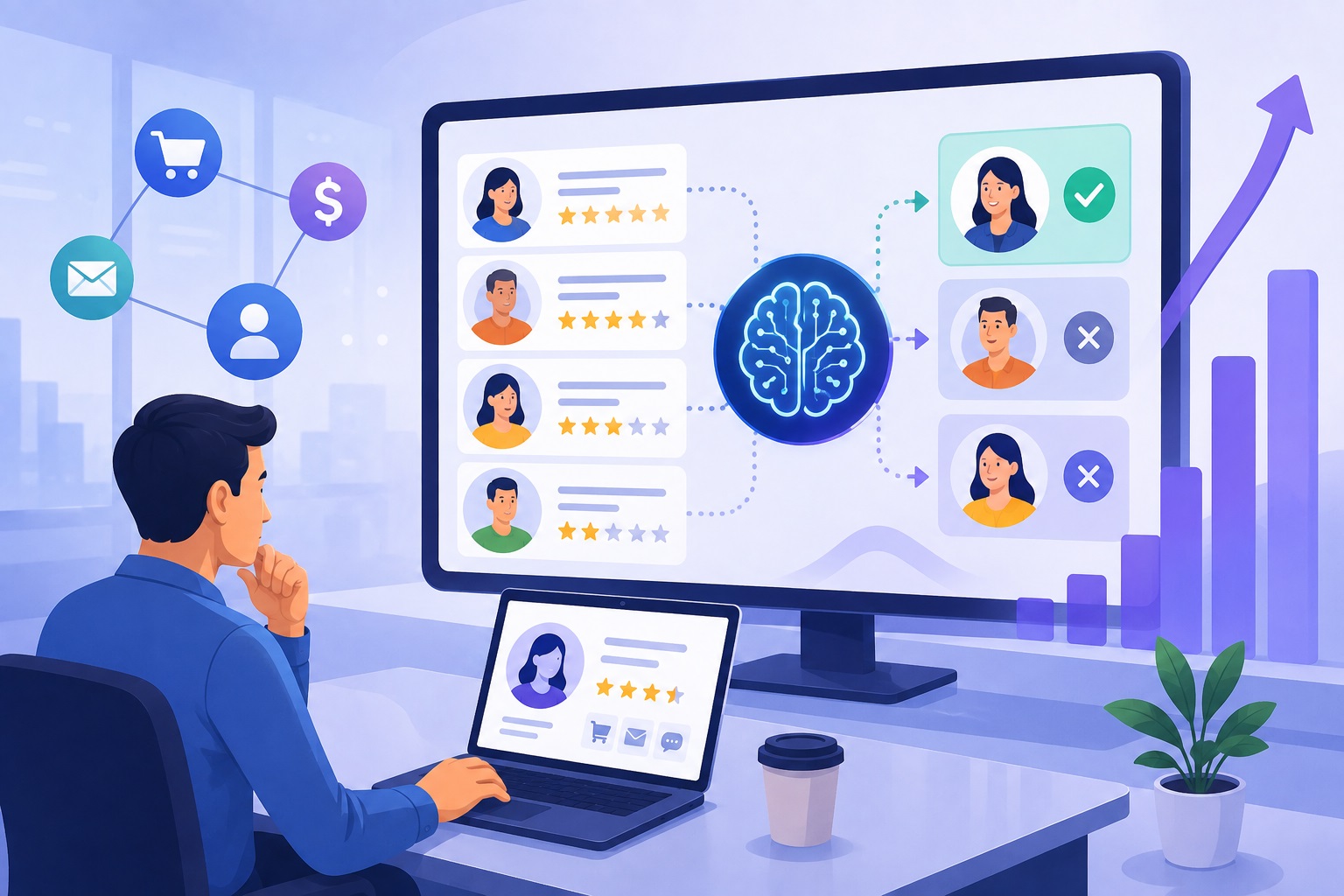
It can also personalize conversations using relevant customer information. For example, returning customers may receive responses based on their previous interactions.
However, personalization should be useful, not intrusive. Businesses should use customer data responsibly and maintain appropriate privacy controls.
Intelligent Conversational Systems
Intelligent conversational systems can adapt to the direction of a conversation. They do not need every interaction to follow the same script.
A customer may start with one question and then ask something completely different. The system can use conversation context to understand the new request.
This flexibility creates a smoother experience. Customers can communicate naturally instead of figuring out which buttons or phrases the system expects.
Still, AI should not handle every situation alone. Businesses should create clear escalation paths for sensitive or complex requests.
Why Enterprise Conversational AI Matters
Large organizations often manage thousands of customer interactions across multiple departments and channels.
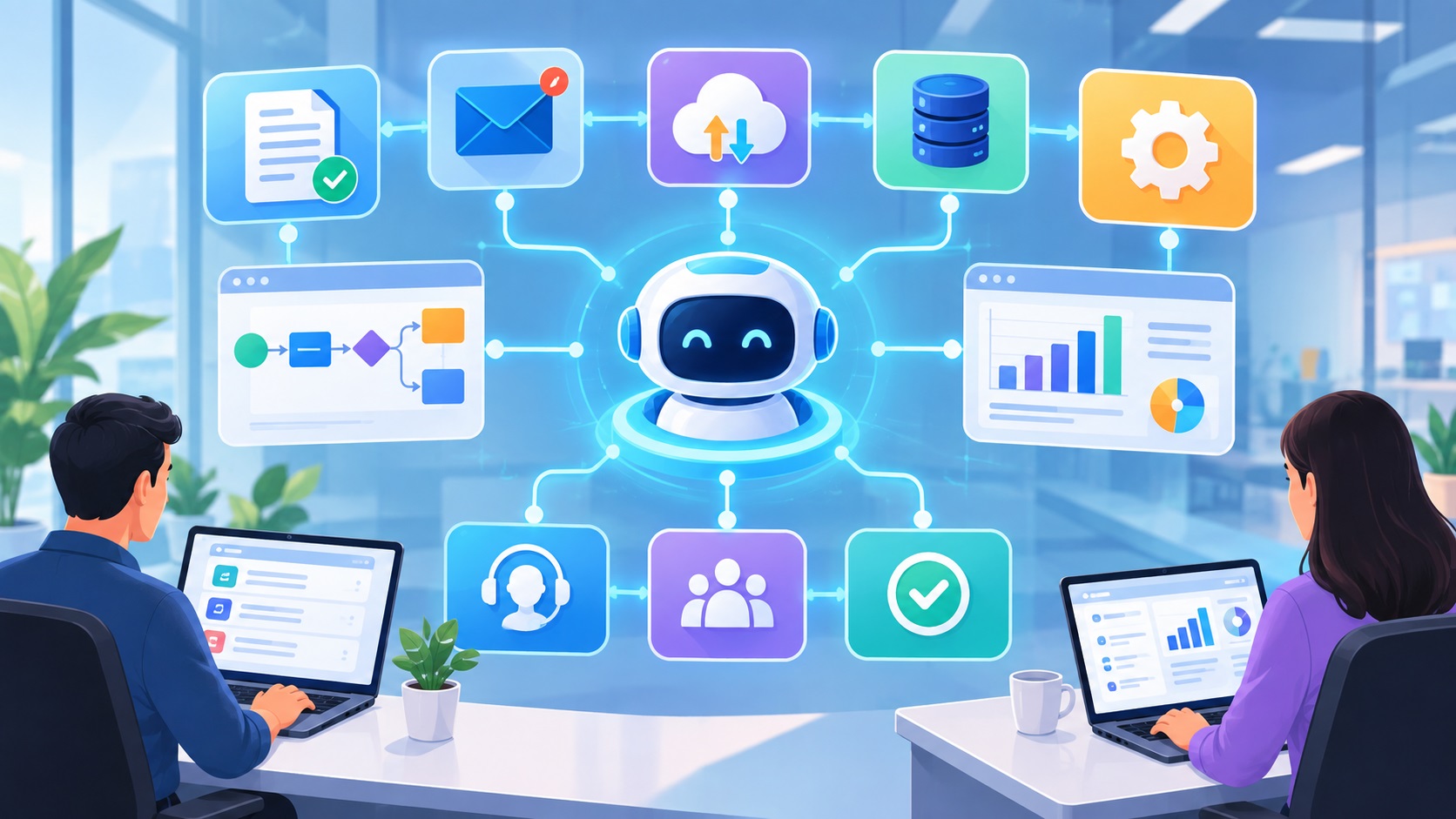
Enterprise conversational AI can help coordinate these interactions at scale. It can connect customer conversations with CRM platforms, support systems, databases, scheduling tools, and other applications.
Integration helps prevent disconnected customer experiences. Employees can also access better context when a conversation requires human support.
For larger businesses, security, access controls, monitoring, and scalability also matter. The technology must support business requirements without creating unnecessary risks.
Which Approach Should Businesses Consider?
Traditional chatbots still have useful applications. They can handle simple, predictable questions and guide customers through straightforward processes.
Conversational automation offers broader capabilities. It can understand natural language, maintain context, connect with business systems, and trigger actions.
The right approach depends on the business and its customer needs. Companies with simple FAQs may not need advanced conversational AI.
Businesses managing complex customer journeys, high interaction volumes, or multiple systems may benefit from a more intelligent approach.
The Future of Customer Conversations
Customer conversations are becoming an important part of business automation. Instead of treating chat as a separate support channel, companies can connect it with their broader operations.
AI can help customers get answers, complete tasks, and reach employees when needed. This creates a more connected experience from the first message to the final resolution.
As these systems improve, businesses will focus less on simply answering customers. They will focus more on helping customers accomplish what they came to do.
FAQs
What is conversational automation?
Conversational automation uses AI to manage customer conversations and automate related tasks. It can understand natural language, maintain context, provide responses, and connect conversations with business workflows.
How is conversational automation different from a traditional chatbot?
Traditional chatbots usually rely on predefined scripts, rules, or decision trees. Conversational automation uses AI to understand intent and context, enabling more flexible conversations and connected actions.
What can conversational automation do for businesses?
It can answer customer questions, qualify leads, provide support, collect information, schedule appointments, update records, and trigger business workflows. It can also route complex issues to human employees.
Can conversational automation work with existing business systems?
Yes. Conversational automation can integrate with systems such as CRMs, customer support platforms, databases, scheduling tools, and other business applications. These connections allow AI to retrieve information and trigger actions during conversations.
Conclusion
Syncrux helps businesses connect conversational AI with automation to create faster, smarter customer experiences.
Its solutions can connect customer conversations with business workflows, systems, and everyday operations.
With Syncrux, businesses can turn automated conversations into meaningful customer interactions and real business actions.