Sales professionals perform much more than customer meetings and negotiations. Behind every successful sale are dozens of repetitive administrative tasks such as updating customer records, scheduling follow-ups, assigning leads, sending emails, and tracking interactions. While these responsibilities are essential, they often consume valuable time that could be spent building relationships and closing deals.
As businesses grow, manual processes become increasingly difficult to manage. Delayed follow-ups, inconsistent data entry, and missed opportunities can all impact revenue. This is why companies are investing in CRM workflow automation to simplify daily operations and improve efficiency.
Modern automation powered by artificial intelligence is transforming how sales teams work. Instead of spending hours on repetitive tasks, professionals can focus on strategic conversations, customer relationships, and revenue generation.
Why Manual Sales Processes Slow Businesses Down
Every sales team wants to move prospects through the pipeline as efficiently as possible. However, manual administrative work often creates unnecessary delays.
Sales representatives frequently spend time entering customer information, updating deal stages, scheduling reminders, writing follow-up emails, and generating reports. Although each task may only take a few minutes, together they consume a significant portion of the workday.
When these activities are repeated across hundreds or even thousands of customers, productivity declines. Employees become overwhelmed by routine work rather than focusing on activities that directly contribute to business growth.
This is where sales automation software provides measurable value.
What Is CRM Workflow Automation?
CRM workflow automation uses predefined rules and artificial intelligence to perform repetitive tasks automatically. Instead of requiring employees to complete every action manually, the CRM system handles routine processes in the background.
For example, when a new lead enters the system, automation can assign the lead to the appropriate salesperson, schedule a follow-up reminder, send a welcome email, and update customer records simultaneously.
By removing manual intervention from repetitive activities, businesses improve efficiency while ensuring greater consistency across sales operations.
Automation also allows teams to respond faster to customer inquiries, creating a better overall customer experience.
CRM Automation Tools Keep Sales Pipelines Moving
Managing a healthy sales pipeline requires consistent follow-up and organization. Unfortunately, manual processes often result in missed reminders or forgotten opportunities.
Modern CRM automation tools ensure that every lead continues moving through the sales process without unnecessary delays.
When a prospect completes a website form, downloads a resource, or schedules a consultation, the CRM can automatically trigger the next appropriate action. Follow-up emails, meeting invitations, internal notifications, and task assignments happen instantly.
This level of automation reduces delays while helping sales teams maintain consistent communication with prospects.
Sales Automation Software Reduces Administrative Work
Administrative work is necessary, but it should never dominate a salesperson’s schedule.
With sales automation software, businesses can automate many routine responsibilities that previously required manual effort. Contact records update automatically after customer interactions. Emails can be scheduled based on customer behavior. Meeting reminders appear without manual input, and recurring tasks are completed automatically.
Instead of spending hours managing spreadsheets and updating CRM records, sales professionals gain more time for customer conversations and relationship building.
The result is a more productive sales organization with improved efficiency.
AI Sales Productivity Helps Teams Work Smarter
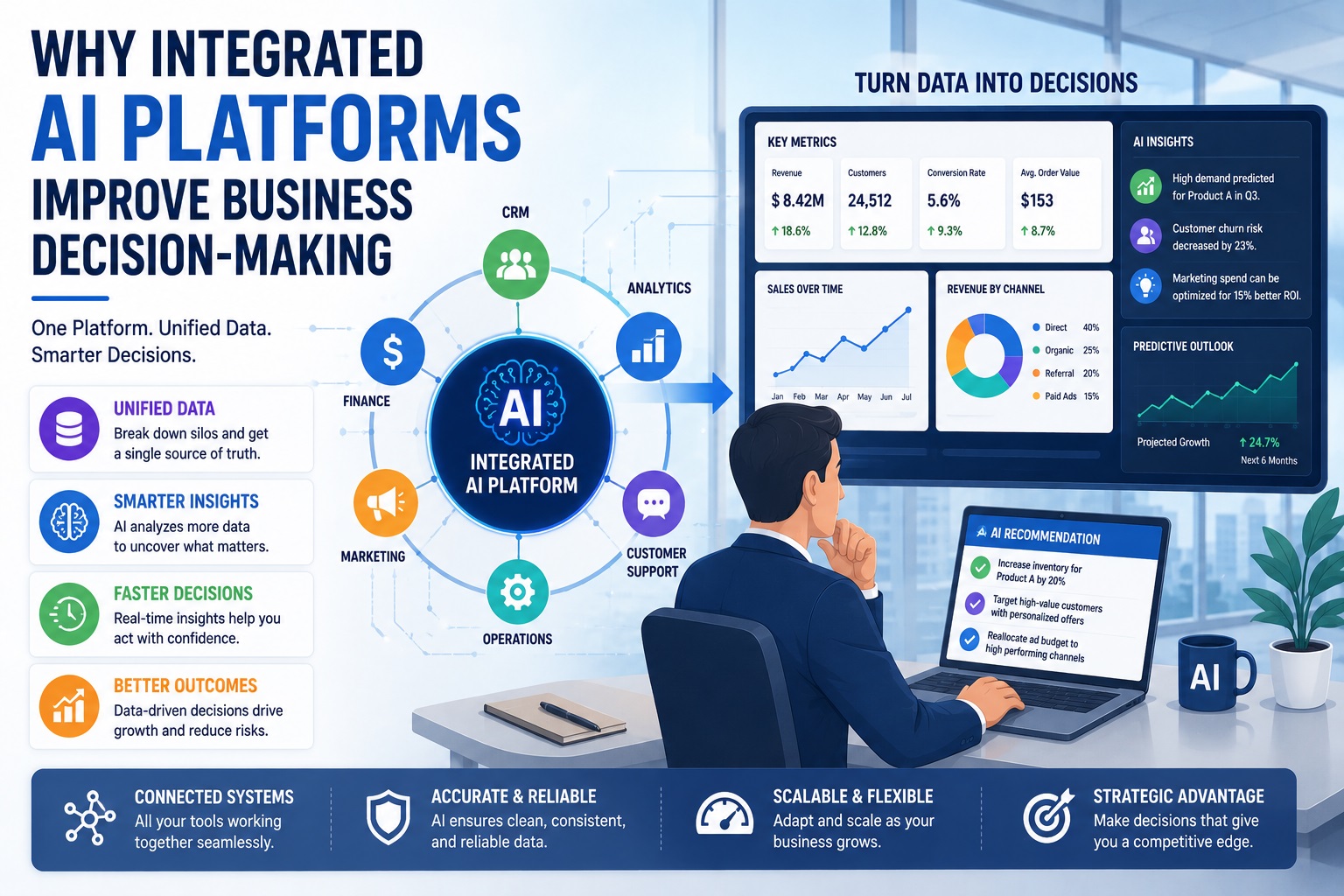
Artificial intelligence adds another layer of intelligence to CRM automation. Rather than simply completing predefined tasks, AI analyzes customer behavior and provides recommendations that improve decision-making.
AI sales productivity tools can identify which leads are most likely to convert, recommend the best time to contact prospects, prioritize follow-up activities, and even suggest personalized messaging based on previous interactions.
These intelligent insights allow sales teams to focus their energy where it will generate the greatest results.
Instead of treating every opportunity equally, representatives can allocate their time more strategically.
Automated CRM Platforms Improve Data Accuracy
Accurate customer data is essential for effective sales management. However, manual data entry often leads to mistakes, incomplete records, and duplicate information.
An automated CRM platform captures customer information directly from emails, web forms, phone calls, and other communication channels. This reduces manual entry while ensuring records remain current and consistent.
Improved data quality benefits the entire organization. Marketing teams create more targeted campaigns, customer support representatives gain better visibility into customer history, and managers receive more reliable reports.
Clean, accurate data leads to better business decisions.
Better Customer Experiences Through Faster Responses
Customers expect timely communication. Delayed follow-ups or missed inquiries can quickly damage trust and send potential buyers to competitors.
CRM automation allows businesses to respond almost immediately after customer interactions.
For example, after someone requests information through a website, the CRM can instantly send a personalized email, assign the lead to a sales representative, and schedule future follow-ups.
This creates a more responsive customer experience while reducing the workload on sales teams.
Faster communication often translates directly into higher customer satisfaction and improved conversion rates.
Supporting Business Growth Without Expanding Teams
Growing businesses often face increasing workloads without immediately expanding their workforce.
Instead of hiring additional staff to manage repetitive administrative work, organizations can use CRM workflow automation to handle many routine processes automatically.
Automation allows existing employees to manage larger customer volumes while maintaining high service quality.
This improves operational efficiency and helps businesses scale more sustainably.
By reducing repetitive work, organizations can grow without dramatically increasing labor costs.
The Future of AI-Powered Sales Automation
Artificial intelligence continues to expand the capabilities of CRM automation.
Future CRM automation tools will become even more intelligent, predicting customer needs, recommending next actions, generating personalized communications, and continuously optimizing sales workflows.
AI will increasingly function as a digital assistant for sales professionals, helping them prioritize opportunities, automate administrative work, and improve customer engagement.
Businesses that invest in automation today will be better prepared to compete in an increasingly digital and data-driven marketplace.
Why CRM Automation Is Becoming Essential
Modern sales organizations need speed, accuracy, and consistency to remain competitive.
An automated CRM platform eliminates repetitive administrative work while improving collaboration, customer experiences, and sales performance.
Rather than replacing sales professionals, automation empowers them to focus on the activities where human relationships matter most.
As customer expectations continue to evolve, CRM automation will become a standard part of successful sales strategies across businesses of every size.
FAQs
What repetitive sales tasks can CRM automation handle?
CRM automation can handle lead assignment, follow-up reminders, email scheduling, contact updates, task creation, meeting notifications, sales reporting, and customer record management.
How does CRM automation improve sales team productivity?
By automating repetitive administrative tasks, CRM automation allows sales professionals to spend more time building customer relationships, nurturing leads, and closing deals.
Can CRM automation reduce human error?
Yes. Automated workflows reduce manual data entry, minimize duplicate records, improve consistency, and help maintain accurate customer information throughout the sales process.
Which businesses benefit most from CRM automation?
Businesses of all sizes can benefit, particularly organizations with active sales teams, growing customer bases, high lead volumes, or complex sales processes that require consistent follow-ups and workflow management.
Conclusion
Eliminating repetitive administrative work allows sales teams to focus on what truly drives business growth: building relationships and closing opportunities. With CRM workflow automation, sales automation software, and an automated CRM platform, businesses can improve efficiency while delivering better customer experiences.
Syncrux provides intelligent CRM automation solutions designed to streamline workflows, improve AI sales productivity, and simplify sales operations.
From advanced CRM automation tools to AI-powered customer management, Syncrux helps businesses work smarter while accelerating growth.
If you’re ready to modernize your sales process with intelligent automation, Syncrux has the technology and expertise to help you succeed.